New Delhi tightens the net: 23 Pakistan-based operatives declared terrorists under UAPA
Centre designates 23 Pakistan-based operatives linked to JeM, LeT as terrorists under UAPA - full list
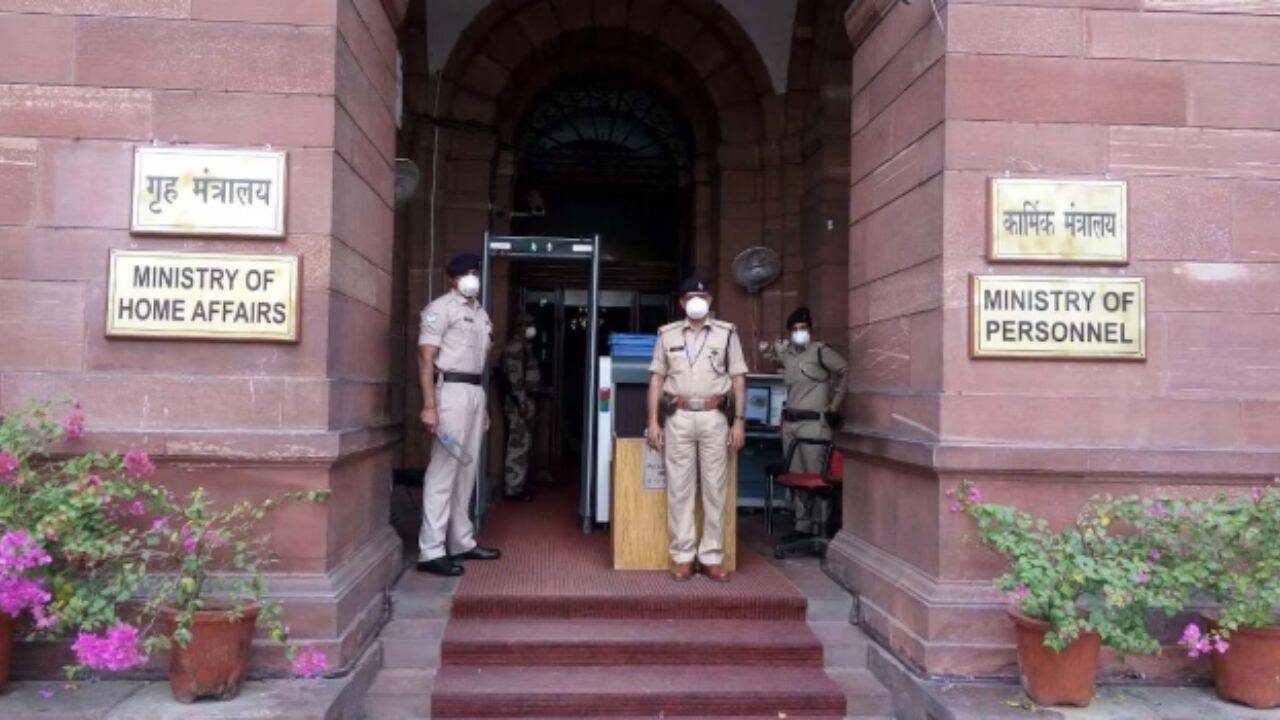
In a decisive move to disrupt cross-border terror networks, the Centre has officially designated 23 Pakistan-based individuals linked to JeM and LeT as terrorists.
The North Block corridors have been busy this week, and the latest move from the Ministry of Home Affairs confirms a sharper focus on individual accountability in the fight against cross-border militancy. By invoking Section 35 of the Unlawful Activities (Prevention) Act (UAPA), the centre has formally brought 23 Pakistan-based individuals under the scanner of Indian law. These operatives, all linked to banned outfits like the Jaish-e-Mohammed (JeM) and Lashkar-e-Taiba (LeT), now face the full weight of the Fourth Schedule of the UAPA, a status that empowers state agencies to systematically dismantle their financial networks and operational reach.
The list is a mix of high-profile recruiters and operational commanders. Among those named is Masood Ilyas Kashmiri, a senior JeM functionary operating out of Rawalkot in Pakistan-occupied Jammu and Kashmir (PoJK). Government notifications detail his active role in not just radicalising youth and managing terror training camps, but also orchestrating the April 2022 Sunjwan attack in Jammu. Alongside him, the notification names 22 others—including figures like Hafiz Abdul Shakoor, Mohammad Mussadiq, and Mufti Muhammad Asghar Khan—who have long been accused of facilitating infiltration and carrying out violent strikes within Indian borders.
The mechanics of the designation
This isn't merely a symbolic gesture. When the government designates these persons as terrorists under the UAPA, it triggers a chain reaction of investigative authority. It provides the National Investigation Agency and other security wings the legal mandate to attach property, seize assets, and pursue international judicial cooperation to choke the funding streams of these groups. Several of those listed have been suspected of orchestrating attacks that have resulted in civilian and security personnel casualties, and this move aims to make their continued operation in Pakistan increasingly costly.
Why it matters: The bigger picture
The timing and scale of this announcement reflect a broader strategic shift in India’s national security posture. Rather than focusing solely on the organisations themselves, the state is increasingly targeting the human nodes—the recruiters, financiers, and commanders—who keep these groups afloat. By specifically identifying 23 individuals, including a significant number noted to be natives of Jammu and Kashmir, the Centre is sending a clear message to the local terror ecosystem: distance from the physical battlefield does not grant immunity from Indian law.
This, combined with previous similar designations, signals a long-game approach. The objective is to create a perpetual state of "legal heat" for these operatives, complicating their travel, their ability to hold bank accounts, and their overall utility to their handlers. As these individuals become internationally and domestically isolated, their capacity to recruit and execute strikes diminishes, forcing the terror infrastructure to constantly grapple with internal instability and administrative pressure.
Priya Nair covers parties, elections and the business of power for PoliticalPedia.