Mathura’s Quiet Courtroom: Hindu Litigants Propose Mosque Relocation at Lok Adalat
Shri Krishna Janmabhoomi-Shahi Idgah dispute: Hindu side attends Lok Adalat, proposes relocation of mosque
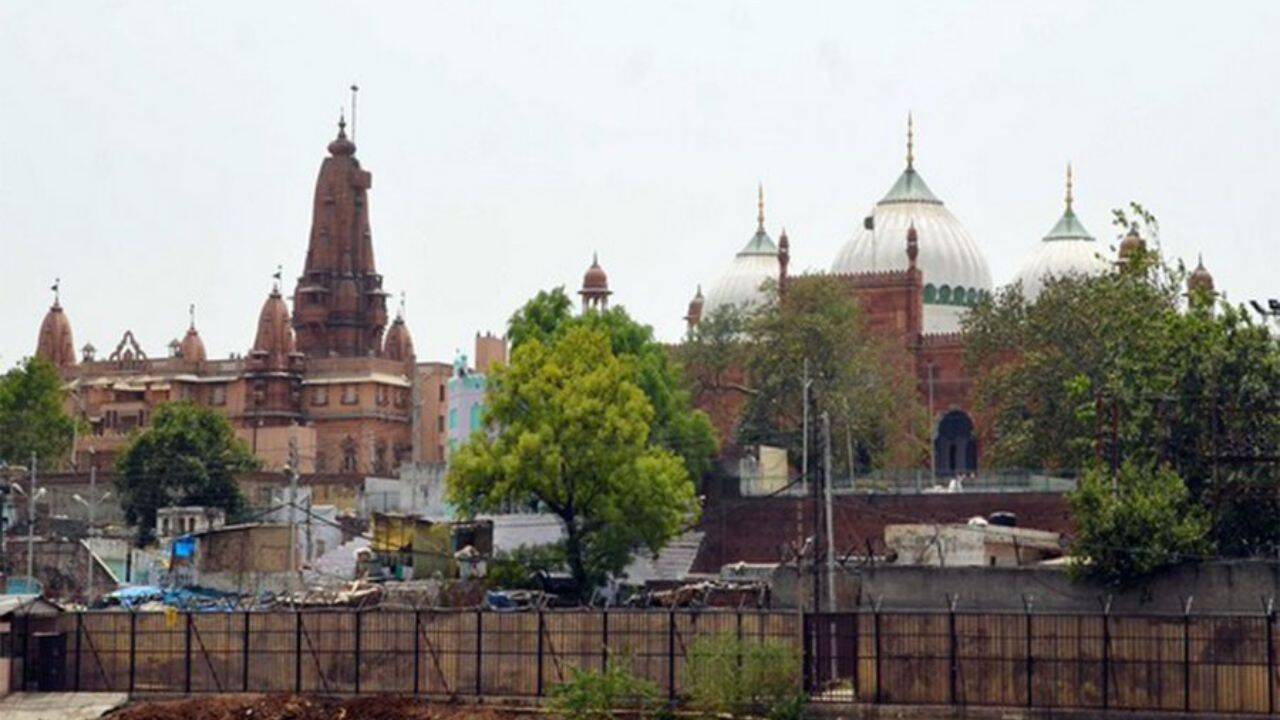
As the Supreme Court pushes for an amicable settlement, the Hindu side presents a formal proposal to vacate the Shahi Idgah site during recent conciliation proceedings.
The corridors of the Mathura district court saw a singular, one-sided conversation this past Saturday. Under the directive of the Supreme Court’s “Samadhan Samaroh-2026” initiative, a special Lok Adalat was convened to bridge the deep-seated divide over the Shri Krishna Janmabhoomi-Shahi Idgah dispute. While the bench, led by Additional District and Sessions Judge Surendra Prasad, was ready to mediate, the room remained starkly empty of any Muslim representation.
For the Hindu litigants, the session was an opportunity to put a concrete offer on the table. Advocate Mahendra Pratap Singh, representing the Hindu side, spent nearly 30 minutes laying out a roadmap that relies on both historical claims and modern engineering. The proposal is direct: if the Muslim parties agree to relinquish their claim and vacate the disputed structure, the Hindu side is open to facilitating an alternative, suitable plot for the construction of a new mosque.
The Push for a Negotiated Settlement
This Lok Adalat is not an isolated event but part of a wider state-level effort by the Uttar Pradesh State Legal Services Authority. The goal is to clear the path for a larger, high-stakes mediation scheduled at the Supreme Court on August 21, 22, and 23. District Legal Services Authority Secretary Anita Singh, who was present alongside the bench members, urged the parties to prioritize dialogue over protracted litigation.
Despite the procedural push, the absence of the Muslim side left the proceedings without the “mutual consent” the adalat was designed to foster. The Hindu plaintiffs, including advocates like Hareram Tripathi, relied on documentation and historical records to bolster their stance, maintaining that the site is the sacred birthplace of Lord Krishna. Their argument for relocation hinges on the technical assertion that contemporary building technology could safely move the current structure.
Why It Matters: The Bigger Picture
This attempt at mediation underscores the judiciary’s growing anxiety over the potential for endless legal friction in temple-mosque disputes. By using the Lok Adalat mechanism, the Supreme Court is effectively signaling a preference for an “Ayodhya-style” consensus model over a blunt, winner-takes-all court verdict.
However, the empty chairs on the Muslim side highlight a crucial, unspoken reality: litigation in these matters is often about more than just the land—it is about the symbolic weight of identity and historical memory. If the Muslim side continues to abstain from these adalat proceedings, the path to an “amicable” settlement may prove far more elusive than the court hopes. As we head toward the August deadline at the Supreme Court, the focus will shift to whether the judiciary can compel both sides to the table, or if the case is destined for a final, potentially polarizing, judicial ruling.
Priya Nair covers parties, elections and the business of power for PoliticalPedia.