Mumbai Weather: Red Alert as Heavy Rain and Strong Winds Disrupt City
Mumbai Weather: Red Alert as Heavy Rain and Strong Winds Disrupt City
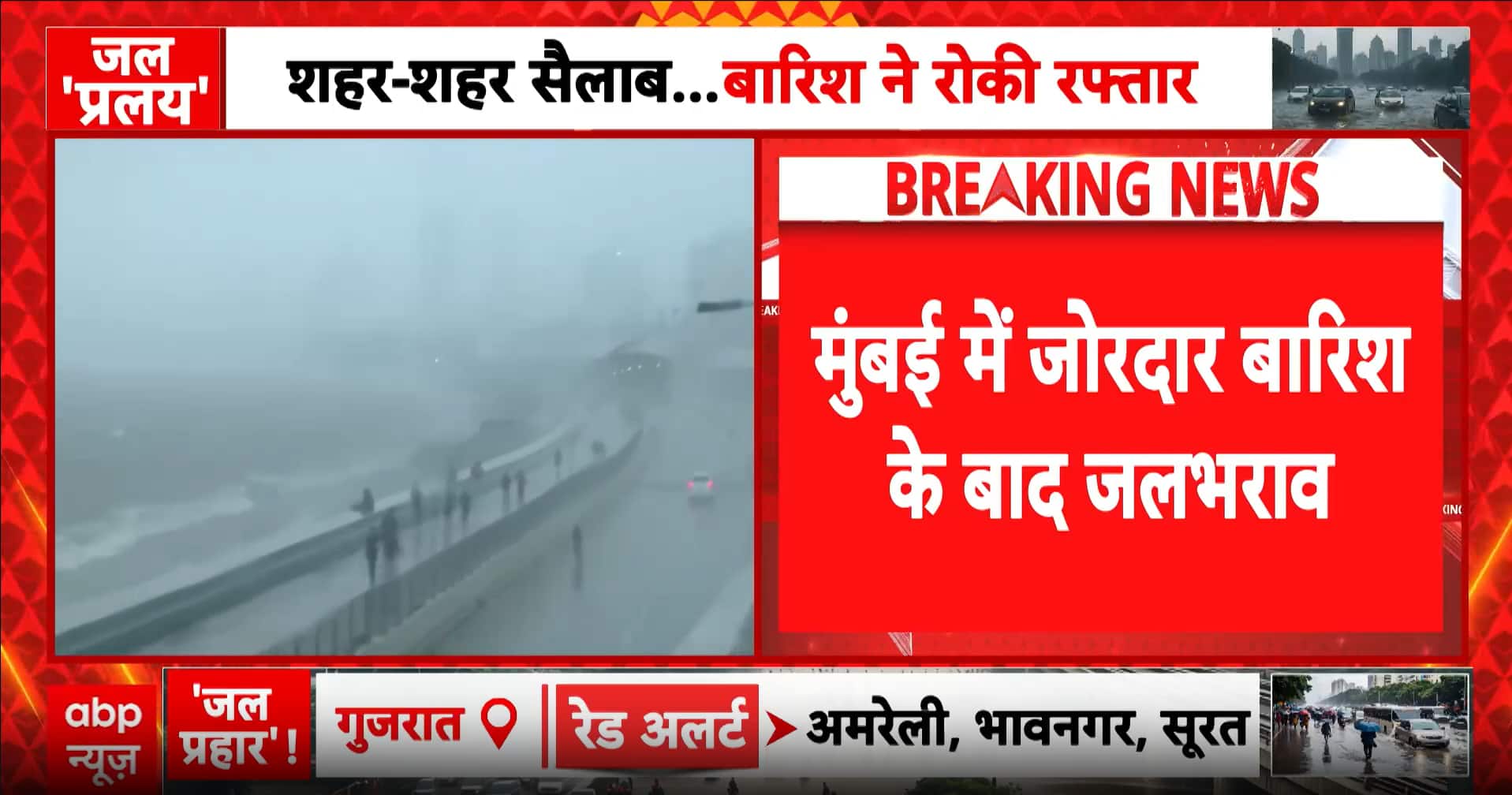
As the IMD issues a red alert for the financial capital, torrential downpours have crippled transport networks, triggered widespread waterlogging, and forced the city to a standstill.
The monsoon has returned with a vengeance to Mumbai, transforming familiar streets into canals and putting the city’s infrastructure under immense strain. With the India Meteorological Department (IMD) issuing a red alert, the scale of the crisis is becoming clear: over 500mm of rainfall has lashed the region in just 84 hours. For the millions who call this megacity home, the morning commute has been replaced by a chaotic scramble as suburban train services falter and arterial roads vanish under sheets of water.
Infrastructure Under Siege
The impact of the heavy rain and strong winds is visible from the suburbs to the island city. Flight operations at the airport have faced significant delays, while road traffic is moving at a snail’s pace due to severe waterlogging. Beyond the commute, the sheer force of the weather has manifested in structural hazards; in several pockets, including areas near celebrity residences, falling tree branches and minor structural collapses have been reported. Local authorities are scrambling to keep pace, but the relentless intensity of the showers continues to challenge disaster management efforts across Mumbai, Pune, Thane, and Raigad.
A City at a Crossroads
This isn't just a seasonal inconvenience; the economic cost of such paralysis is mounting. For a city that functions as the engine of India’s economy, a total shutdown of transport networks disrupts everything from supply chains to daily wage earnings. The business district is feeling the pinch as offices remain under-occupied, and logistics—already stretched thin—face massive bottlenecks. While the city has weathered many monsoons, the increasing frequency of extreme weather events suggests that Mumbai’s aging drainage infrastructure is struggling to keep up with climate volatility.
The Bigger Picture
From a reporting perspective, the pattern is becoming impossible to ignore. Whether it is the violent overnight storms in the NCR region or the current deluge in Mumbai, India’s urban centers are increasingly vulnerable to erratic monsoon cycles. The "red alert" classification is no longer an outlier; it is becoming a standard feature of the Indian weather forecast. For policymakers, the challenge lies in shifting from reactive disaster relief to proactive urban planning. Unless the city’s drainage capacity is overhauled to match the intensity of these modern-day "cloudburst" events, the business of the city will continue to be held hostage by the clouds every monsoon.
For now, the advice remains consistent: stay indoors unless absolutely necessary. As the IMD continues to track the movement of these heavy showers, the immediate priority for the administration is clearing the arteries of the city to prevent a total gridlock. Residents in vulnerable zones are being urged to keep a close eye on local train updates and avoid low-lying areas, as the forecast suggests there is no immediate respite on the horizon.
Rohan Gupta covers the economy, markets and companies for PoliticalPedia.