Mumbai Rains: Trans Harbour Rail Suspended, Underpass Shut, Trees Down As Red Alert City Braces For More
Mumbai Rains: Trans Harbour Rail Suspended, Underpass Shut, Trees Down As Red Alert City Braces For More
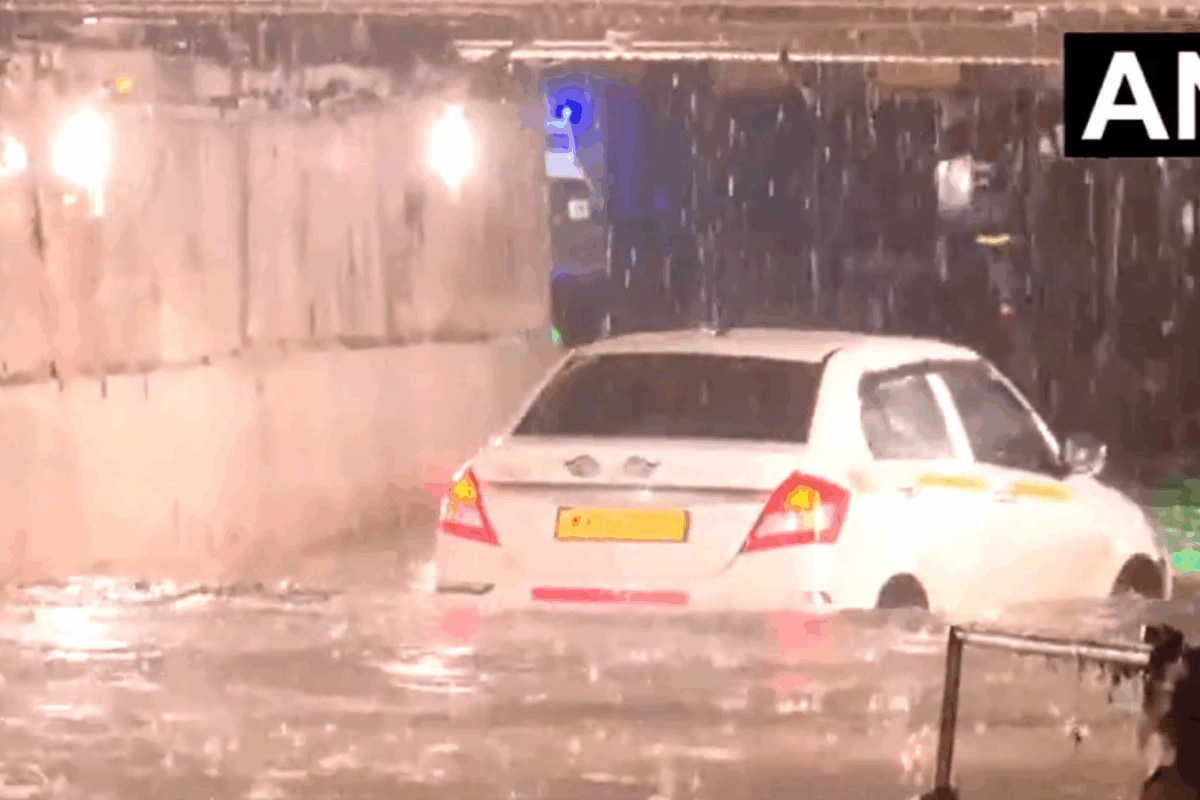
As a relentless monsoon surge hits the financial capital, local transport networks crumble under record-breaking rainfall and red-alert warnings.
The rhythmic pitter-patter that Mumbaikars were praying for after a parched June has turned into a chaotic deluge. By Wednesday morning, the city found itself under a severe red alert, with the India Meteorological Department (IMD) warning of gusty winds reaching up to 61 kmph. The intensity of the downpour was stark: between 1 am and 2 am alone, the Bhandup Complex logged 40 mm of rain, while western suburbs saw 32 mm, turning roads into rivers and throwing the city’s commute into disarray.
Commuter Chaos and Infrastructure Strain
The impact on public infrastructure was immediate. The Trans Harbour rail line, a lifeline for thousands commuting between Navi Mumbai and the city, saw services suspended after soil erosion compromised the tracks between Turbhe and Kopar Khairane. Railway authorities have declared the stretch unsafe, leaving thousands of daily commuters to scramble for alternative transport as restoration work begins. In the western suburbs, the familiar sight of a flooded Andheri underpass led to its closure, adding to the gridlock that has paralyzed arterial roads across the metropolis.
The Geography of the Deluge
While Mumbai and Palghar remain the primary focus of the red alert, the surrounding regions are far from spared. Thane is currently under an orange alert, while Raigad, Ratnagiri, and Sindhudurg are managing with yellow warnings. The heavy rain, which intensified late Tuesday night, has seen Kalyan, Dombivli, Karjat, and Neral bear the brunt of the weather system. With the Mithi river hovering at 1.83 metres, civic agencies are on high alert, monitoring every millimeter of rising water levels as moderate to intense spells continue to lash the coastline.
The Bigger Picture: Why It Matters
This sudden shift from a dry, heat-wave-ridden June to an extreme monsoon event highlights the increasingly erratic nature of Mumbai’s weather cycles. For a city that recently saw residents sleeping on beaches just to escape the heat, the arrival of the monsoon is a double-edged sword. The rapid saturation of soil leading to rail failures and the quick flooding of underpasses suggest that the city’s infrastructure is struggling to keep pace with these high-intensity, short-duration weather bursts. The challenge for Mumbai isn't just the volume of rain, but the speed at which it arrives, testing the drainage capacity of a city that is perpetually in a state of construction.
Looking Ahead
The IMD’s nowcast remains cautious, with an orange warning valid for the next three hours, signaling that the respite is likely temporary. While the current focus is on clearing the trees down as red alert city braces for more, the meteorological data suggests the monsoon is finally making its presence felt with a vengeance. For now, the advice to residents remains clear: check your routes, expect delays, and stay tuned to local updates as the city navigates this volatile patch of the rainy season.
Kabir Sharma writes on culture, technology and everyday life for PoliticalPedia.