Another Year, Same Old Story: Mumbai Monsoon Chaos Puts BMC Under the Lens
Mumbai Monsoon: Mumbai Rains Trigger Waterlogging, Traffic Disruptions; BMC Faces Questions
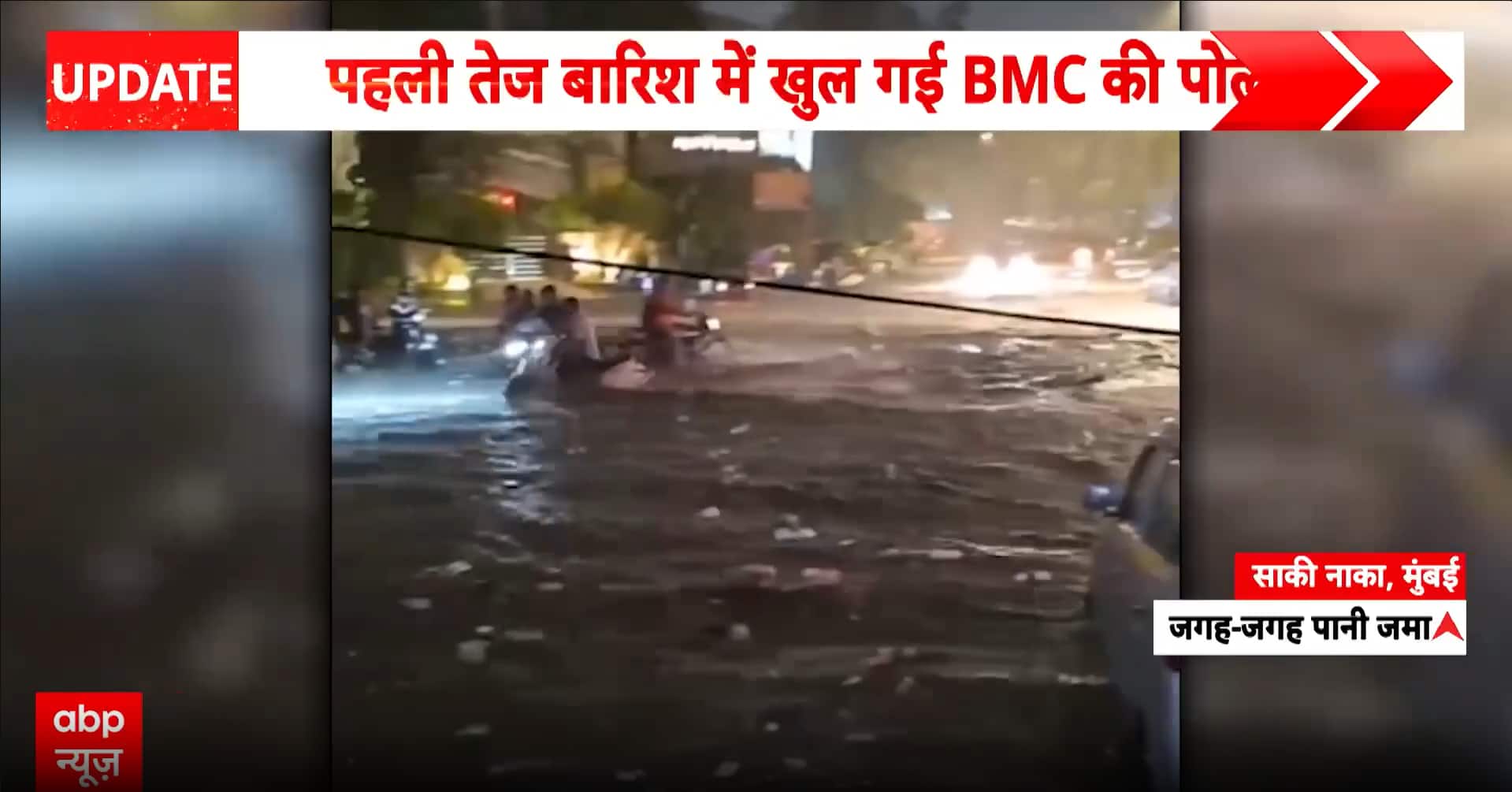
As heavy rains paralyze the financial capital, the recurring cycle of waterlogging and infrastructure failures once again exposes the gaps in the city's civic preparedness.
The familiar rhythm of the Mumbai monsoon arrived this week not with a gentle pitter-patter, but with a deluge that brought the city to a grinding halt. By early morning, low-lying hotspots—from the Andheri Subway and Sakinaka to the arterial roads of Sion and Matunga—were submerged, turning Mumbai’s infrastructure into a bottleneck for thousands of commuters. While the India Meteorological Department (IMD) warns that this heavy spell is likely to persist for the next three days, the immediate fallout has been widespread, with local train services lagging by up to 20 minutes and traffic disruptions rippling across the suburbs.
The human cost of the weather was visible early at Dadar TT, where a massive tree uprooted around 5 a.m., crushing a passing vehicle and leaving the driver injured. The incident served as a grim critique of the Brihanmumbai Municipal Corporation’s (BMC) claims regarding pre-monsoon safety inspections. With the city’s drainage systems struggling to cope, rainwater hasn't just stayed on the roads; it has breached the thresholds of homes and small businesses, leaving residents to deal with the dual burden of property damage and the daily grind of navigating flooded tracks.
The BMC Faces Questions
As the mumbai rains trigger waterlogging across the city, the BMC faces questions that grow louder with every passing season. Despite substantial budgetary allocations intended for pre-monsoon maintenance, the visual reality on the ground—streets turned into canals and track washouts on the Harbour Line between Turbhe and Kopar Khairane—suggests that preparedness remains largely on paper. Critics are now pointing to the persistent failure of drainage systems that seem unable to handle the intensity of modern weather patterns, forcing the administration to rely on stop-gap measures like emergency pumps.
Why it matters: The Bigger Picture
This is not merely a seasonal nuisance; it is a structural failure that repeats with alarming predictability. When we talk about mumbai rains weather, we are really discussing the resilience of India's most important urban center against the backdrop of climate volatility. The pattern is stark: a massive metropolis, an immense tax base, and yet, annual paralysis. The implication for the city’s economy is significant, as every hour of lost productivity and damaged infrastructure compounds. Until the conversation shifts from reactive disaster management to long-term engineering upgrades, Mumbai will remain at the mercy of its own geography every time the monsoon clouds gather.
For now, the city is in a holding pattern. While authorities work to clear blockages and restore services, the public sentiment is one of weary resignation. The question isn't just whether the rain will stop, but why, despite the constant headlines and the recurring warnings, the city’s readiness remains so fragile.
Ananya Iyer covers global affairs with an Indian lens for PoliticalPedia.