Monsoon Update: Will Delhi Stay on Track After Swift Maharashtra Arrival?
Kerala saw delay, Maharashtra didn't: Will monsoon maintain its schedule for Delhi? Check IMD's forecast
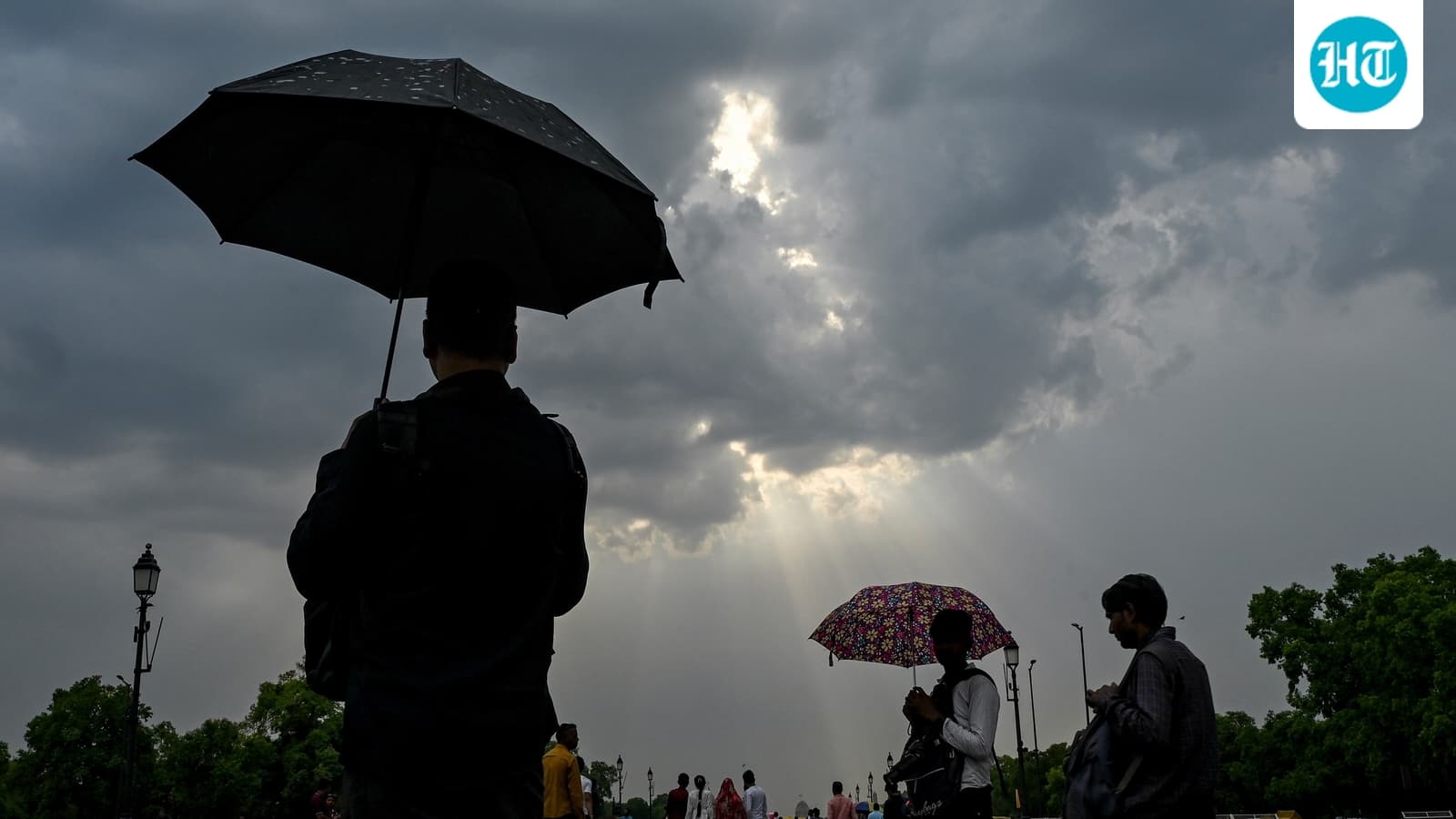
As the Southwest monsoon gathers momentum across the country, weather experts are closely monitoring whether the capital can maintain its typical arrival window.
The annual journey of the Southwest monsoon has been a tale of two speeds this season. While the onset over Kerala faced a stutter, arriving on June 4—nearly a week past the initial forecast and three days behind the historical normal—the system has since regained significant lost ground. By moving rapidly up the west coast, the monsoon reached Goa by June 5 and entered Maharashtra on June 6, effectively realigning itself with the expected seasonal schedule.
This swift recovery in the western region has sparked optimism regarding the monsoon trajectory for Northern India. According to the latest tracking map from the India Meteorological Department (IMD), the system is anticipated to arrive in Delhi and the surrounding National Capital Region between June 25 and June 30. For residents of Gurugram, Noida, and Ghaziabad, this window remains the primary benchmark for the onset of the rainy season.
Weather outlook for the capital
Before the arrival of the cooling showers, the capital is bracing for a sustained period of heat. Over the next week, the IMD predicts maximum temperatures will fluctuate between 36 and 41 degrees Celsius. While June 7 might bring some relief through potential thunder and lightning, the following days, particularly June 8 and 9, are expected to remain mainly clear with strong surface winds during the daytime. Minimum temperatures are likely to hover near 28 to 29 degrees Celsius, underscoring the typical pre-monsoon humidity and heat.
Building on last year’s timeline
The significance of these dates is rooted in historical averages. Last year, the monsoon reached Delhi on June 29, slightly trailing its long-term average onset date of June 27. Meteorologists emphasize that once the system establishes itself in the capital, it typically shifts its focus toward the northwest, eventually extending into Punjab, Haryana, Chandigarh, Himachal Pradesh, Jammu and Kashmir, and Ladakh.
Tracking this progression is critical not only for urban planning and water management but also for the agricultural sector across North India, which relies heavily on the timely arrival of these rains. As the IMD continues to provide updates, residents are advised to check official bulletins frequently to stay informed about potential shifts in the weather pattern as the month progresses.
The PoliticalPedia Editorial Desk brings verified, sourced political news and analysis from across India.