Middle East on Edge: Israel Ups Ante By Striking Energy Infrastructure In Iran; Tehran Targets Air Bases
Israel Ups Ante By Striking Energy Infrastructure In Iran; Tehran Targets Air Bases
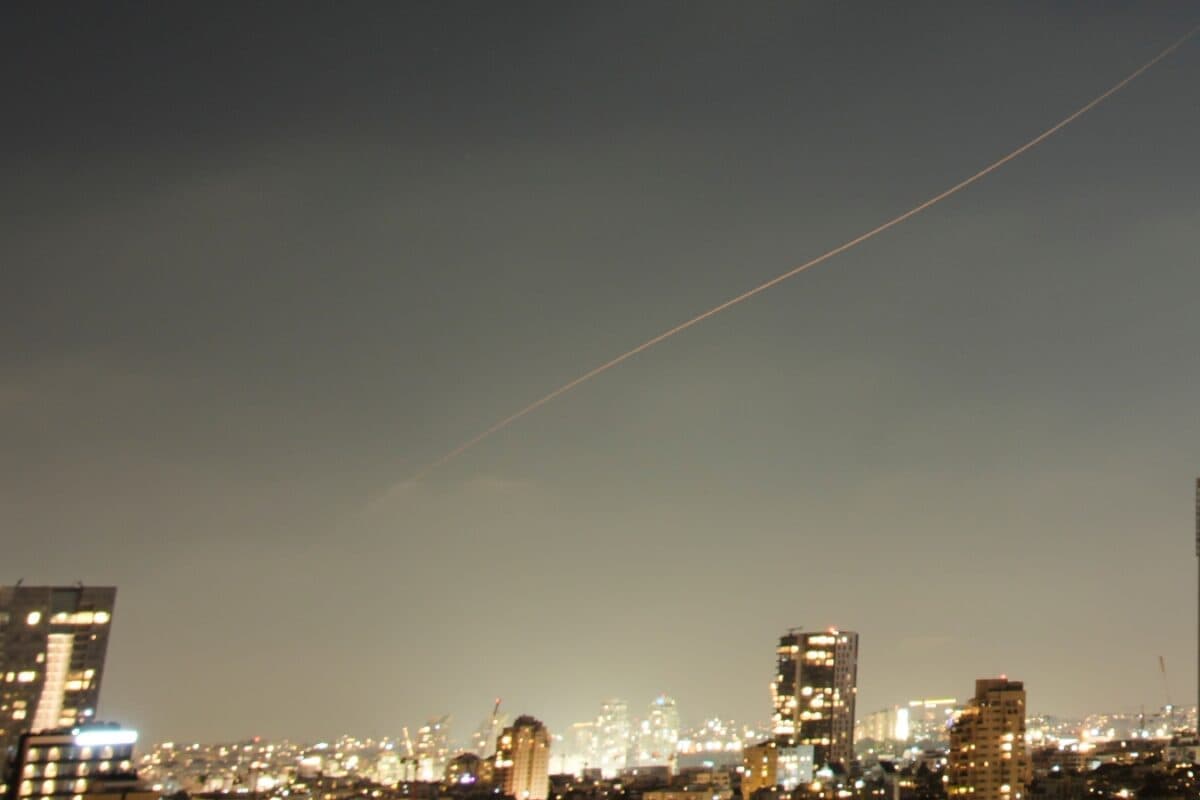
As direct hostilities resume, the targeting of critical energy assets and air bases marks a dangerous new phase in the Israel-Iran conflict.
The fragile quiet that held since April has shattered. In a sharp escalation of regional hostilities, Israel has struck energy infrastructure in Iran, targeting petrochemical facilities in the Khuzestan Province. The Fars news agency confirmed the Karun Mahshahr Petrochemical Company sustained damage, an area that had already seen similar strikes earlier this year. The Israeli military has publicly confirmed the action, stating its air force hit multiple targets at the Mahshahr complex.
Tehran’s response was swift and calculated. The Islamic Revolutionary Guards (IRGC) announced "Operation Victory," launching a series of strikes against two major Israeli air bases: Nevatim and Tel Nof. According to the IRNA news agency, these strikes were framed as a direct retaliation for Israeli attacks on Iranian radar sites. As the two sides trade direct fire, the situation appears to be spiralling beyond the restraint previously urged by international mediators, including the US administration under Donald Trump.
The Strategy of Asymmetric Escalation
The shift in tactics is telling. By moving beyond proxy skirmishes and hitting energy infrastructure, Israel is signalling a willingness to cripple the economic backbone of its adversary. Tehran, meanwhile, is demonstrating that it can reach deep into Israeli territory, specifically targeting air power assets. This is no longer a shadow war fought in the dark; it is a visible, high-stakes exchange of military might.
The international community, particularly the US, finds itself in a precarious position. While the Trump administration has been locked in intense diplomatic manoeuvring to secure a deal, these latest strikes suggest that both Tel Aviv and Tehran are prioritising military leverage over diplomatic restraint. Reports indicate the White House is struggling to maintain a clear distance from the Israeli strikes on Iranian gas fields, even as the President publicly claims "major points of agreement" in ongoing talks.
Why It Matters: The Bigger Picture
For India and the wider global economy, this escalation is deeply concerning. The Strait of Hormuz remains a critical artery for global oil supplies; any sustained conflict here threatens to send energy prices soaring. While the fighting is currently confined to specific military and industrial sites, the logic of "upping the ante" creates a dangerous feedback loop.
If the pattern of strikes on critical infrastructure continues, we are looking at a fundamental shift in Middle Eastern security. The conflict has moved from rhetoric to the systematic dismantling of the other side’s strategic assets. For New Delhi, which maintains strong ties with both sides, the challenge will be managing the fallout of a potentially protracted crisis that risks destabilising one of the world's most vital energy corridors.
World Desk at PoliticalPedia covers global affairs for an Indian audience in English and Hindi.