From the Shelter to the Skies: The 'Mothership of Satan' rhetoric heats up as Iran-Israel conflict spirals
'Mothership of Satan is in Tehran': US ambassador hides in shelter in Israel as Iran war escalates
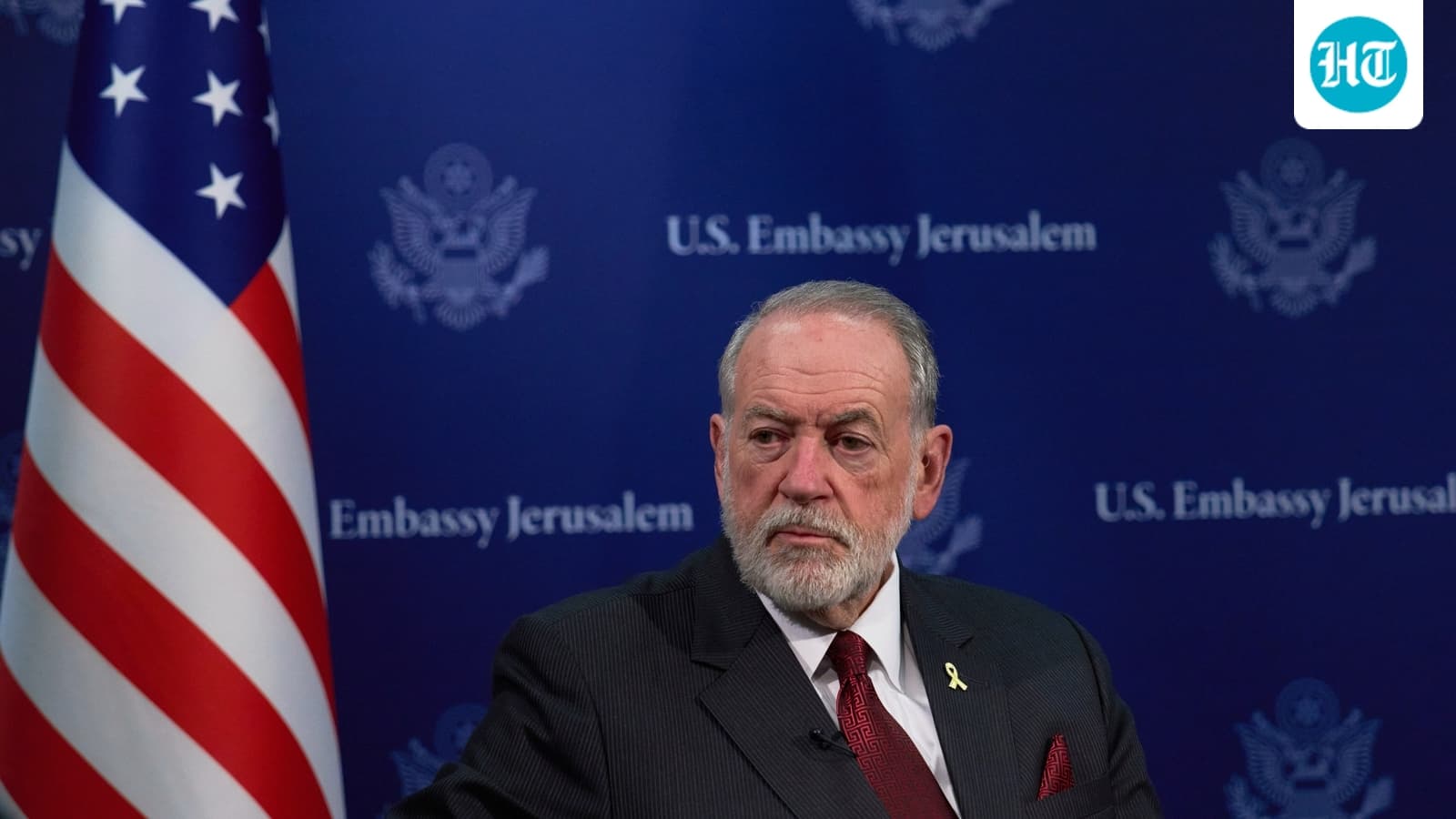
As missile alerts shatter the morning silence in Jerusalem, the escalating exchange of fire between Iran and Israel has pushed West Asia to the brink of a wider regional war.
The air in Jerusalem was punctured by the wail of sirens at 6:00 a.m. on Monday, forcing US Ambassador to Israel, Mike Huckabee, to seek refuge in a shelter. From the confined safety of his bunker, Huckabee didn’t mince words, painting an apocalyptic picture of the unfolding crisis. Taking to social media, he described the experience of hearing "loud booms overhead" and explicitly labelled the Iranian regime as the "mothership of Satan," a comment that underscores the hardening diplomatic language accompanying this kinetic escalation.
A calculated exchange of fire
The current volatility follows a breakdown in the ceasefire that had tenuously held since April 8. The situation turned dire when Iran launched a fresh barrage of missiles toward Israeli territory late Sunday, prompting an immediate and aggressive response. By early Monday, the Israeli military confirmed it had struck back, targeting a major industrial site in Mahshahr, southwestern Iran.
While the Israeli Air Force has acknowledged attacks on multiple targets within the petrochemical complex, the true extent of the damage remains unclear. Military officials have remained tight-lipped regarding the specifics of the destruction, promising that further assessments and details will be shared once the intelligence is verified. This ambiguity keeps the region in a state of high-strung uncertainty as both sides weigh their next moves.
Why it matters: The bigger picture
The rhetoric from diplomats and the tactical strikes on industrial infrastructure signal a shift from shadow-boxing to direct, high-stakes confrontation. When an ambassador uses terminology as charged as "mothership of Satan," it reflects a complete collapse of the diplomatic middle ground. For the global community, this escalation isn't just about the immediate damage to petrochemical facilities; it is about the unraveling of the delicate security architecture that has prevented a total regional conflagration for months.
The pattern is clear: both nations are moving past warnings. By targeting economic hubs like the Mahshahr complex, the conflict is increasingly shifting from purely military posturing to an attempt to cripple the other side’s logistical and financial backbone. As diplomatic efforts to restore the ceasefire stall, the risk of a miscalculation drawing in broader international players grows by the hour.
What happens next?
The immediate concern for those on the ground—much like the US ambassador waiting out the alerts—is whether these strikes will lead to a retaliatory cycle that spiraling out of control. With the ceasefire now effectively a relic of the past, the focus shifts to whether either side is willing to step back from the brink or if the "mothership" rhetoric is a precursor to a more sustained and destructive campaign. For now, the people in the region are left waiting for the next alert, caught in the crossfire of a war that shows no sign of cooling down.
Features Desk at PoliticalPedia covers culture, tech & life for an Indian audience in English and Hindi.