Ground stop at San Francisco International Airport leaves passengers in limbo
Ground stop in place at San Francisco International Airport, FAA alert says
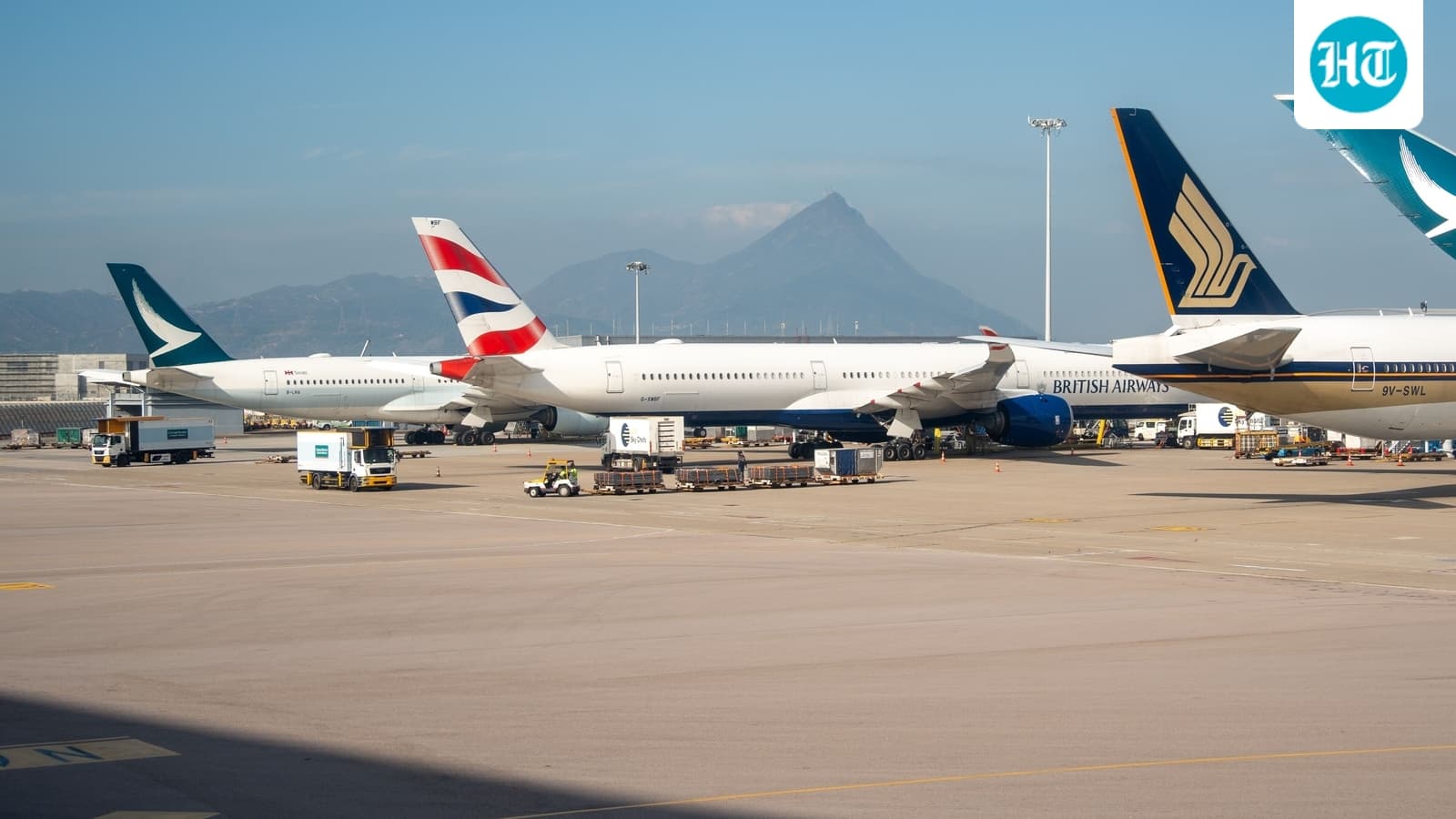
A surprise FAA directive has forced a halt to incoming traffic at SFO, triggering widespread delays as weather and infrastructure challenges converge.
The tarmac at San Francisco International Airport (SFO) fell uncharacteristically quiet on Sunday as the U.S. Federal Aviation Administration (FAA) issued a mandatory ground stop for the major transit hub. While the initial alert remained sparse on granular details, the order effectively froze incoming flights, leaving thousands of passengers stranded and schedules in total disarray until at least 11:15 PM PDT.
Reports from the ground indicate that this is not merely a bureaucratic hiccup. While the FAA alert formally categorized the reason as "other," regional reporting from outlets like the San Francisco Chronicle and KTVU points to a perfect storm of environmental and operational pressures. Strong, gusty winds have been battering the Bay Area, creating a hazardous environment for incoming aircraft that necessitates immediate air traffic management.
A trend of systemic instability
This disruption comes amid a broader, worrying trend for American aviation. Frequent travelers are increasingly finding themselves at the mercy of a brittle infrastructure. Data from TravelTourister and recent coverage in the Hindustan Times underscore that SFO is not an outlier; major U.S. airports have been grappling with a surge in cancellations and delays over the past month.
Whether it is government-led air traffic cuts, staff shortages, or simple, volatile weather patterns, the margin for error in the U.S. flight network has vanished. When a key hub like SFO hits a wall, the ripple effect is felt across the entire national grid, turning what should be a routine Sunday travel day into a logistical nightmare.
Why it matters
For the average flyer, these incidents are becoming the new normal rather than the exception. The bigger picture here is a civil aviation system struggling to keep pace with demand. When the FAA resorts to a ground stop, it is essentially admitting that the system’s ability to manage safety in real-time has been outstripped by the combination of aging infrastructure and extreme weather events.
Until significant investments are made to modernize air traffic control technology and harden airports against climate-related disruptions, passengers should expect this cycle of uncertainty to continue. What happened at SFO this weekend serves as a stark reminder that even the most advanced aviation systems are only as strong as their weakest, most weather-exposed link.
Politics Desk at PoliticalPedia covers parties & elections for an Indian audience in English and Hindi.