Kim’s nuclear ambition: Pyongyang targets global military dominance
'Goal of overtaking the world': Kim calls for major expansion of North Korea's nukes
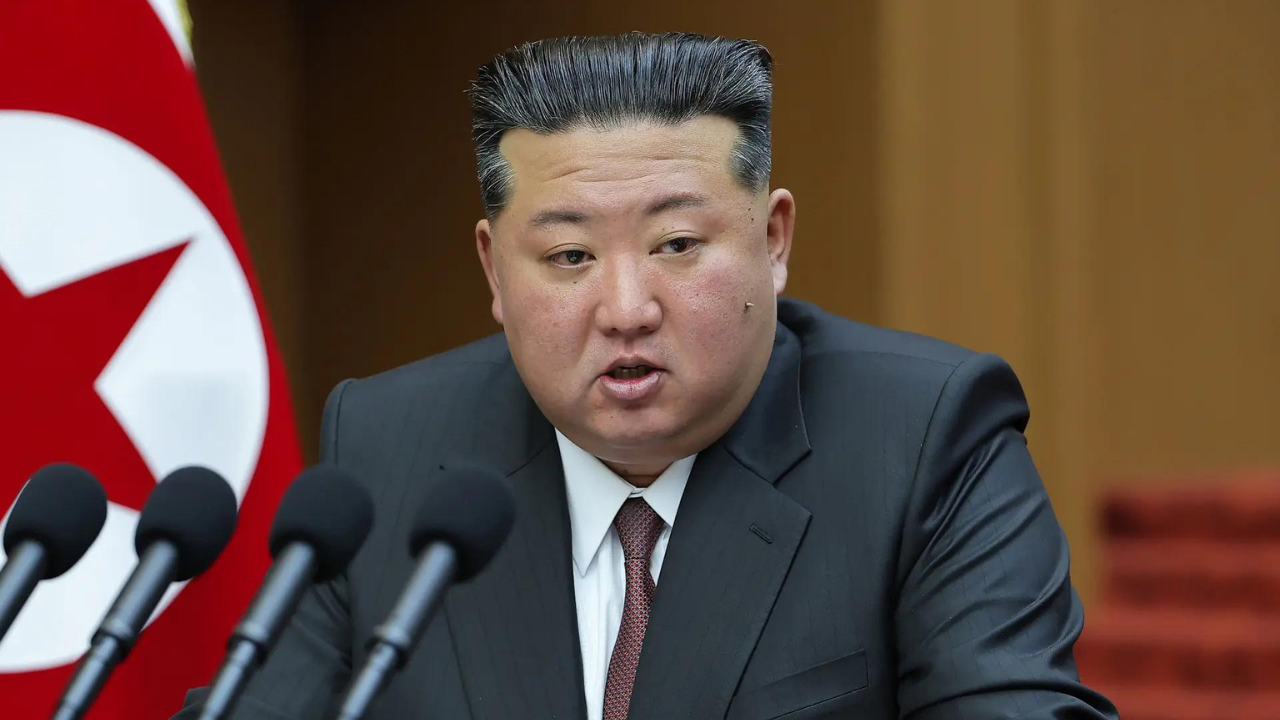
North Korea has signalled a major escalation in its strategic posture, with Kim Jong-un demanding a rapid expansion of the country’s nuclear arsenal to challenge global powers.
Pyongyang has long occupied a singular space in the global security architecture, but the rhetoric emerging from this week’s high-level gathering marks a jarring shift in ambition. During a three-day plenary meeting of the ruling Workers' Party of Korea, Kim Jong-un moved beyond standard defensive posturing. State media reports from the Korean Central News Agency (KCNA) confirm that officials have been tasked with a singular, audacious objective: building military assets with the explicit goal of overtaking the world.
The meeting, which served as a mid-year audit of the party’s February congress plans, framed nuclear weaponry as the absolute pivot of the nation’s sovereignty. For the leadership in North Korea, this is no longer just about survival or regional deterrence. Instead, the party consensus suggests that accelerating the production of advanced nuclear technology is the only reliable way to navigate what it describes as an increasingly unpredictable international political landscape.
A calculated escalation
The emphasis on "increasing speed" and "innovative plans" suggests a shift from sporadic missile testing to a more systemic, industrial-scale buildup of the nuclear arsenal. By positioning these weapons as the foundation of their military identity, the North Korean state is effectively tethering its economic and diplomatic future to its capability to threaten or fight a large-scale conflict.
While the rhetoric is undoubtedly aggressive, it mirrors a recurring pattern in Pyongyang’s attempts to dictate the terms of its engagement with the outside world. Analysts observing these developments note that such announcements are often timed to project strength during internal moments of economic strain or to signal a hardening stance against the shifting geopolitical alignments of the major powers.
Why it matters
The implications of this announcement extend far beyond the Korean Peninsula. By declaring a goal of global military parity—or superiority—Kim is attempting to force his way into the top tier of international security discourse. For India and other regional players, this signals a period of heightened uncertainty. If Pyongyang follows through on its pledge to expand its nuclear footprint without pause, the traditional frameworks for nuclear abolition and regional stability in Asia face a daunting, perhaps existential, challenge. The move effectively discards the hope for a gradual cooling of tensions, replacing it with a doctrine of unyielding nuclear expansion.
Ananya Iyer covers global affairs with an Indian lens for PoliticalPedia.