Kolkata’s Red Road Turns Yoga Mat: How PM Modi’s Routine Is Shaping India’s Daily Fitness Goals
Yoga Day: PM Modi Leads Yoga Session, Demonstrates Easy Asanas for Daily Fitness
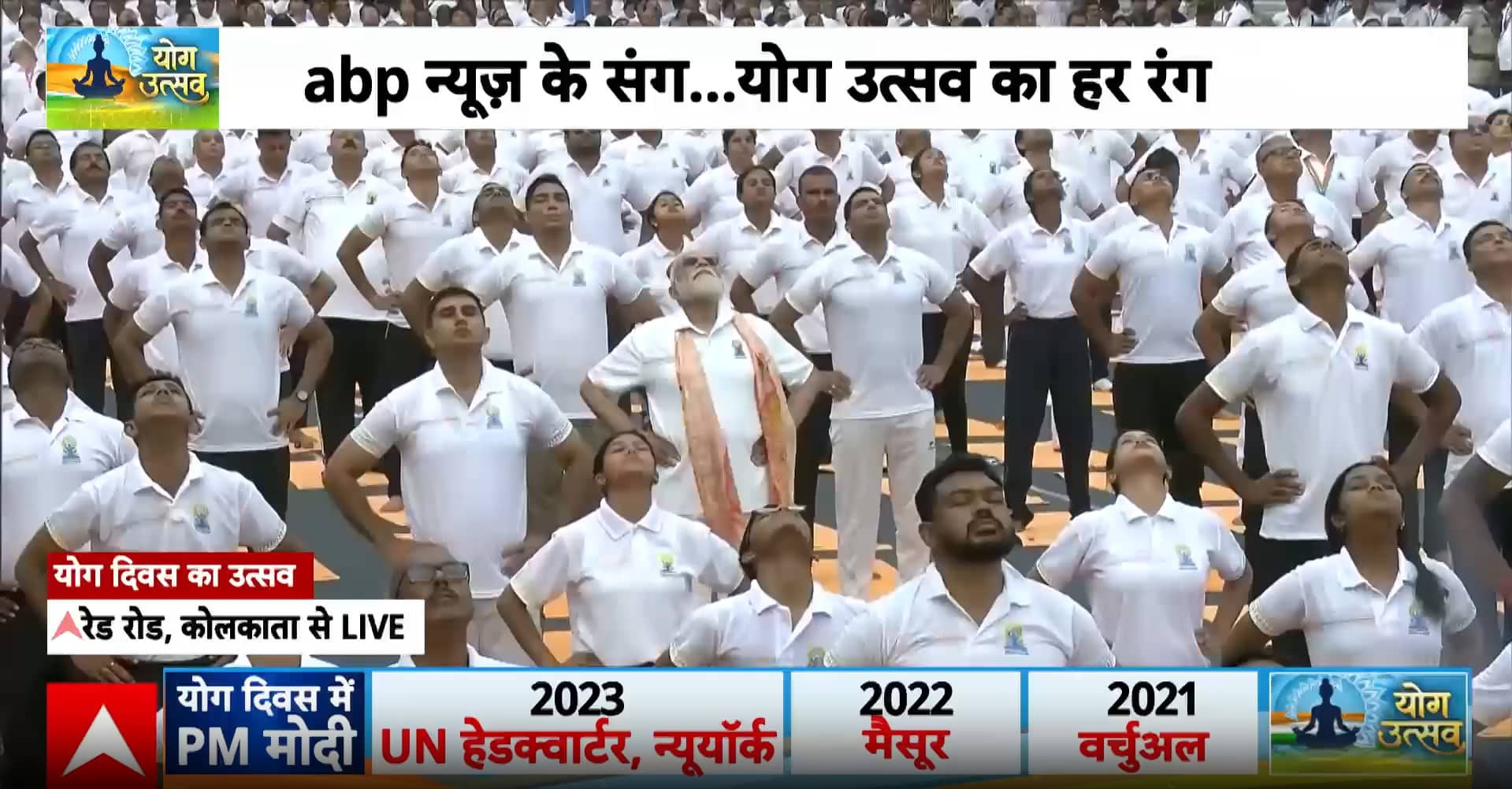
From Red Road in Kolkata to the remote valleys of Arunachal, the nation marked International Yoga Day with a focus on simplicity over complexity.
The early morning mist over Kolkata’s iconic Red Road was punctuated by the rhythmic breathing of thousands this morning. As Prime Minister Narendra Modi rolled out his mat, the message from the dais was deliberate: yoga isn't an elite pursuit reserved for the flexible, but a modular tool for daily fitness. Leading the session, Modi eschewed complex contortions in favor of accessible movements, a move that echoed across official celebrations from Navsari to the furthest reaches of Arunachal Pradesh.
Making Asanas Accessible
The session saw experts, including yoga teacher Kalpana, break down the mechanics of basic movement. The emphasis remained on "easy asanas"—side stretching, forward bends, and the Trikonasana (Triangle Pose). By focusing on these, the event aimed to dismantle the intimidation factor often associated with the practice. For the average participant, Trikonasana isn't just a pose; it is a functional movement for spinal health, hamstring flexibility, and better circulation.
Correct posture was the recurring theme of the day. The organizers underscored that the goal of this international event is to ensure that a simple stretch or basic movement becomes a part of one's daily routine, rather than a performative act restricted to the calendar date of June 21st.
The Bigger Picture
Why does this matter? Beyond the optics of a mass gathering, the government's push for yoga is clearly pivoting toward a preventive healthcare model. With India facing a rising burden of lifestyle-related ailments, the emphasis on "daily fitness" is a structural attempt to nudge the public toward low-cost, high-impact wellness.
When a 75-year-old Prime Minister publicly discusses a disciplined regimen—including a light fruit diet and intermittent fasting—it signals a shift in the national conversation. The state is essentially trying to outsource the responsibility of wellness to the individual, promoting yoga not just as a cultural export, but as a survival skill for a modern, sedentary workforce. While the event drew participation from leaders and celebrities, the success of this push will ultimately depend on whether the habit sticks beyond the glare of the morning news cycle.
A Nation in Motion
While the main event took place in Kolkata, the momentum was palpable elsewhere. In Vijayawada, yoga enthusiasts engaged with practitioners like Ramdev to refine their beginner technique, while school students in Gujarat performed pranayam under the guidance of local leaders. These localized events suggest that the movement is moving beyond the symbolic, trying to root itself in school curriculums and community centers.
However, the day was not without its shadows. News of a temple structure collapse in Parbhani, Maharashtra—resulting in seven deaths and dozens of injuries—served as a sobering counterpoint to the day's celebratory tone. It is a stark reminder that while the country strives for health and discipline, the urgency of infrastructure safety remains a parallel, and often more pressing, national concern.
Ananya Iyer covers global affairs with an Indian lens for PoliticalPedia.