Beyond the Mat: Why Consistency in Yoga Matters More Than Complex Poses
International Yoga Day 2026: Why Consistency In Yoga Matters More Than Complex Poses
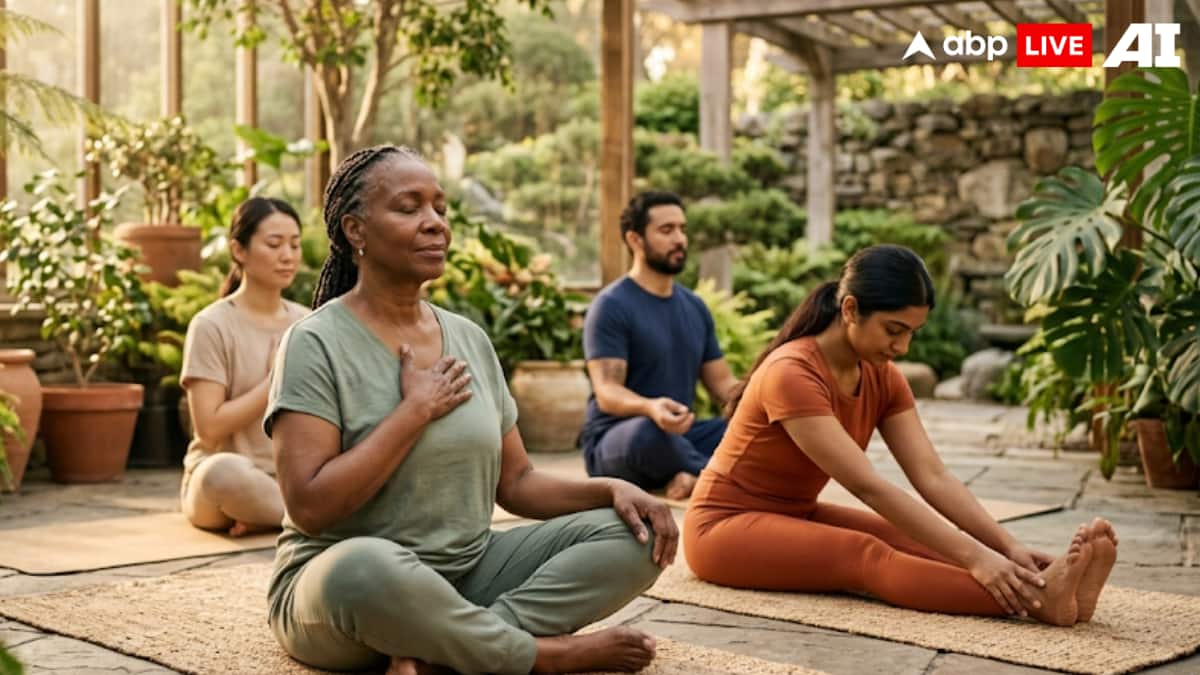
As International Yoga Day arrives, the conversation shifts from performative aesthetics to the quiet, compounding power of daily discipline.
The Instagram feed during International Yoga Day is a predictable gallery of gravity-defying inversions and hyper-flexible postures. For the average professional—often battling digital fatigue and the stiffening effects of a sedentary office chair—these images are more intimidating than inspiring. Yet, the real shift in the wellness economy this year is a move away from the "all-or-nothing" pursuit of advanced asanas toward a grounded, sustainable approach.
The industry is finally acknowledging what practitioners have long whispered: yoga is not a performance art. Across various platforms, the consensus is shifting. Whether it’s decoding the routines of celebrities like Rakul Preet Singh, whose association with Akshar Yoga has kept the topic trending, or looking at broader health trends, the narrative is clear. Being able to fold oneself into a pretzel is not the metric of a healthy life; showing up for ten minutes of mindful breathing is.
The Myth of the Perfect Routine
Many beginners enter the space with a high-stakes mindset. They believe that unless they are sweating through an hour-long, high-intensity flow, they are failing. This mindset is the primary barrier to entry. When expectations are set at the level of a seasoned expert, the inevitable result is burnout.
Modern reporting highlights that the most common mistakes beginners make often stem from this exact pressure. By trying to force the body into advanced poses before the foundation is set, people invite injury rather than wellness. The physical and mental transformation that yoga promises doesn't come from a single, intense burst of movement; it is a cumulative effect, much like compound interest in a long-term investment.
Why it matters: The bigger picture
From a market perspective, this pivot is significant. For years, the wellness sector pushed the "transformation" narrative—selling the dream of immediate, visible change. Now, we are seeing a correction. The focus is shifting toward longevity and accessibility. For an economy grappling with rising lifestyle-related health costs, promoting a sustainable, low-barrier daily habit is a much more pragmatic public health strategy than pushing elite-level fitness.
When people stop viewing yoga as a high-performance sport and start using it as a daily "reset button," the societal impact is profound. It addresses the systemic stress of a high-pressure, fast-moving environment. The value isn't in the complexity of the pose, but in the regularity of the practice.
Sustaining the momentum
Ultimately, the goal of any wellness initiative is to foster a habit that sticks. The most effective routines are those that can be maintained even on the busiest days. A few foundational stretches and deliberate breathing exercises, practiced daily, will consistently outperform the occasional, sporadic "perfect" session. As the noise around International Yoga Day settles, the takeaway for the average person is simple: roll out the mat, keep it manageable, and prioritize the practice over the pose.
Rohan Gupta covers the economy, markets and companies for PoliticalPedia.