Oil spike and global jitters drag markets down; Rupee hits new low against dollar
Markets open lower as crude oil prices rise; Rupee slips to 95.35 against US dollar
Investor sentiment remains fragile as geopolitical tensions in the Middle East drive crude oil prices higher, putting fresh pressure on the Indian rupee and domestic indices.
The trading floor at Dalal Street was painted in shades of red this Monday as the Nifty and Sensex opened sharply lower. The Nifty 50 slipped 1.22% to 23,080.70, while the BSE Sensex shed 1.11% to hover at 73,421.61. The bearish mood followed a broader sell-off across Asian markets, with Japan’s Nikkei and South Korea’s KOSPI recording steep declines as investors scrambled to price in the fallout of renewed regional conflict.
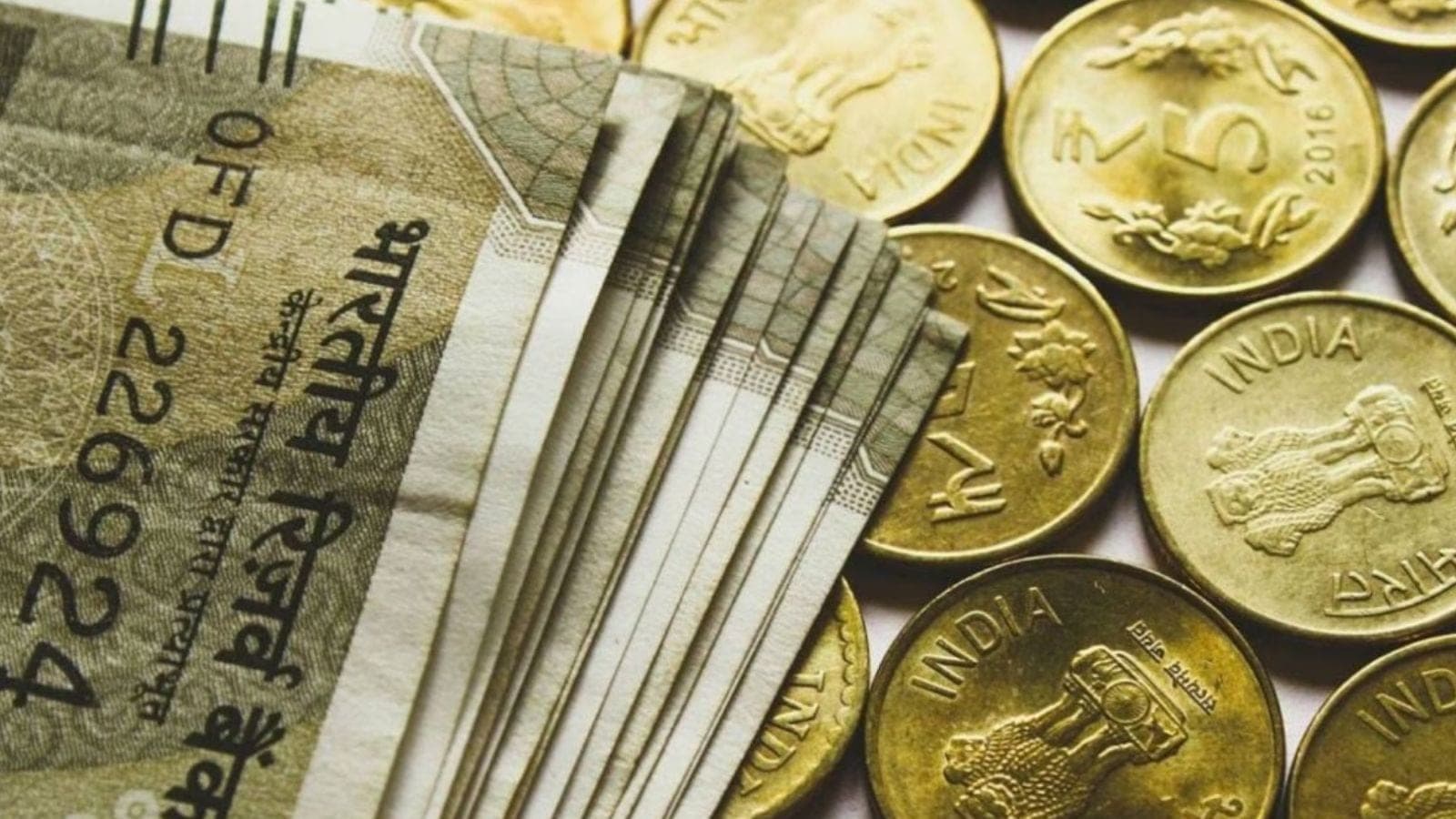
The primary catalyst for this morning's volatility is the surge in Brent crude oil prices, which jumped 3.5% to $96.5 per barrel. This spike comes on the heels of Iran’s missile strikes on Israel, a development that has sent shockwaves through energy markets. With the specter of supply disruptions looming, the Indian rupee has faced immediate heat, falling 17 paise to trade at 95.35 against the US dollar.
A convergence of headwinds
Beyond the immediate geopolitical crisis, the market is grappling with a shift in the global interest rate narrative. Following a week of strong US jobs data, expectations are hardening that the Federal Reserve may opt for another rate hike. This prospect is particularly punishing for emerging markets like India, where foreign institutional investors have already pulled out a staggering $28.63 billion in 2026—a record-breaking figure that signals a sustained flight to safety.
These global pressures arrived just days after the Reserve Bank of India’s latest policy announcement. While the central bank kept interest rates steady at 5.25% on Friday, its revised outlook was cautious. The RBI has hiked its inflation forecast for FY27 to 5.1% and lowered its growth projection to 6.6%, acknowledging the mounting challenges in the external environment.
Why it matters
The bigger picture here is the widening gap between India’s resilient domestic consumption and the hardening global macro environment. While official data recently confirmed a robust 7.8% growth for the January-March quarter, the market is currently choosing to focus on the vulnerability of the rupee and the rising cost of energy imports.
For the average investor looking at the 'nifty today,' the message is clear: the domestic growth story is no longer shielded from the volatility of global oil prices and US monetary policy. As the central bank explores measures to incentivize foreign investment and stabilize the currency, the markets are likely to remain range-bound, tethered to the evolving situation in the Middle East and the shifting trajectory of global interest rates.
National Affairs Desk at PoliticalPedia covers government & policy for an Indian audience in English and Hindi.