Kerala Government Constitutes Expert Panel to Evaluate DMRC High-Speed Rail Proposal
Kerala sets up expert panel to study DMRC high-speed rail proposal
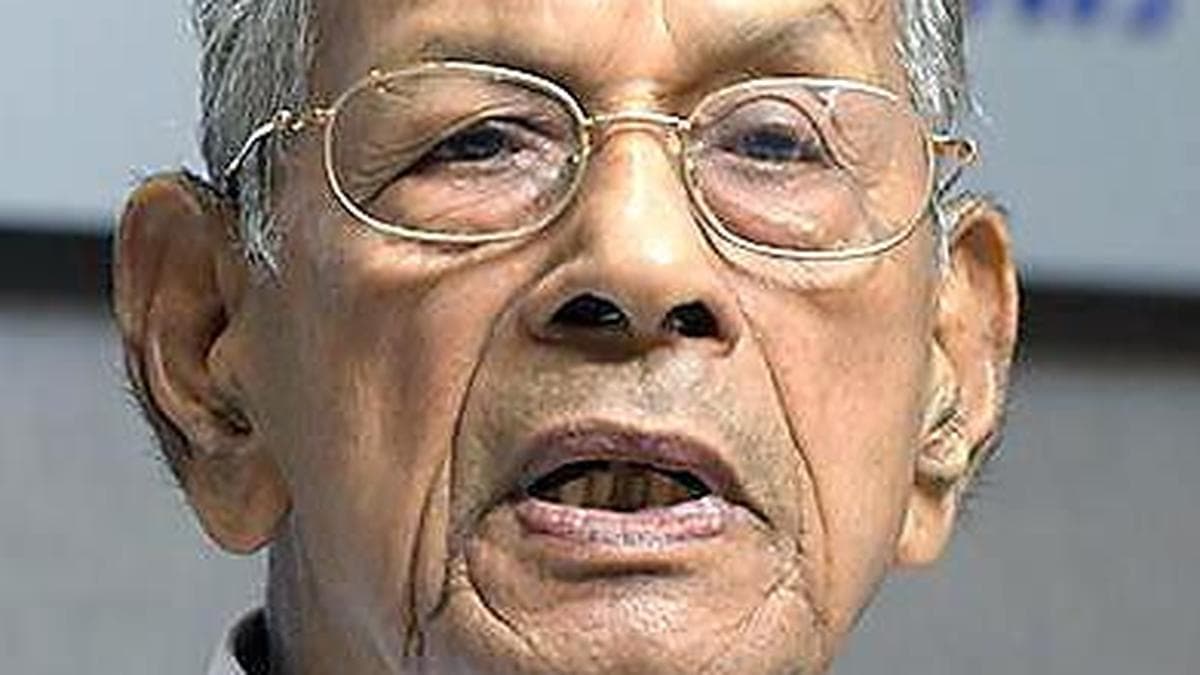
A four-member committee will scrutinize E. Sreedharan’s ambitious 473-km high-speed corridor design, marking a pivot from the previous K-Rail discourse.
The Kerala government has officially initiated a formal review of the high-speed rail proposal submitted by the Delhi Metro Rail Corporation (DMRC). Championed by veteran technocrat E. Sreedharan, the project serves as a technical alternative to the K-Rail initiative that previously dominated state discourse. To ensure a rigorous vetting process, the state has appointed a four-member expert panel tasked with analyzing the project’s financial viability, environmental footprint, and long-term technical feasibility.
The Mandate for the Panel
The committee, which has been granted a three-week window to submit its findings, is led by Transport Secretary K. Biju, who will serve as the convener. The team includes experts across critical domains: J. Vinayan (railways), C. Veeramani (finance), and Sreedhar Radhakrishnan (environment). They will be supported by N.S.K. Umesh, an officer on special duty to the Chief Minister. According to the government order issued on June 5, 2026, the panel must reconcile the project’s lofty claims with the practical challenges of implementation and socio-economic impact.
A Vision for Kerala’s Infrastructure
The proposed high-speed corridor is designed to bridge the distance between Thiruvananthapuram and Kannur via a 473.2-km double-line track. The engineering blueprint envisions a largely elevated structure, save for a 6.5-km underground stretch beneath the state capital. Connecting 23 stations, the corridor aims to cut transit time between the two northern and southern hubs to just three hours and 30 minutes.
Technical specifications suggest a design speed of 200 kmph, with an operational speed of 180 kmph. By adopting a standard-gauge format, the DMRC aims to reduce axle loads to 15 tonnes—significantly lighter than the 25-tonne requirement for broad gauge—which engineers believe will substantially lower both construction costs and operational wear.
Connectivity and Capacity
The project is designed with a heavy focus on multi-modal connectivity, directly serving three of Kerala’s four major airports, while linking Kannur airport via a 10-km dedicated access road. Commuter capacity is a cornerstone of the proposal; early phases suggest a daily capacity of 54,400 passengers with 12-coach trains. Should demand grow, the platform infrastructure is being built to accommodate 16-coach rakes, potentially pushing daily ridership to 2.28 lakh.
While the proposal offers a high-tech solution to the state’s mobility constraints, it follows a period of intense public and political debate regarding the cost-benefit analysis of rail expansion in the state. Sreedharan’s involvement brings significant technical weight to the table, though the government remains cautious, emphasizing that the expert committee’s report will be the decisive factor in whether the state proceeds with this specific high-speed model.
The PoliticalPedia Editorial Desk brings verified, sourced political news and analysis from across India.