Kaziranga National Park Emerges as a Biodiversity Hotspot for Raptors and Storks
Kaziranga National Park records 30 raptor and six stork species
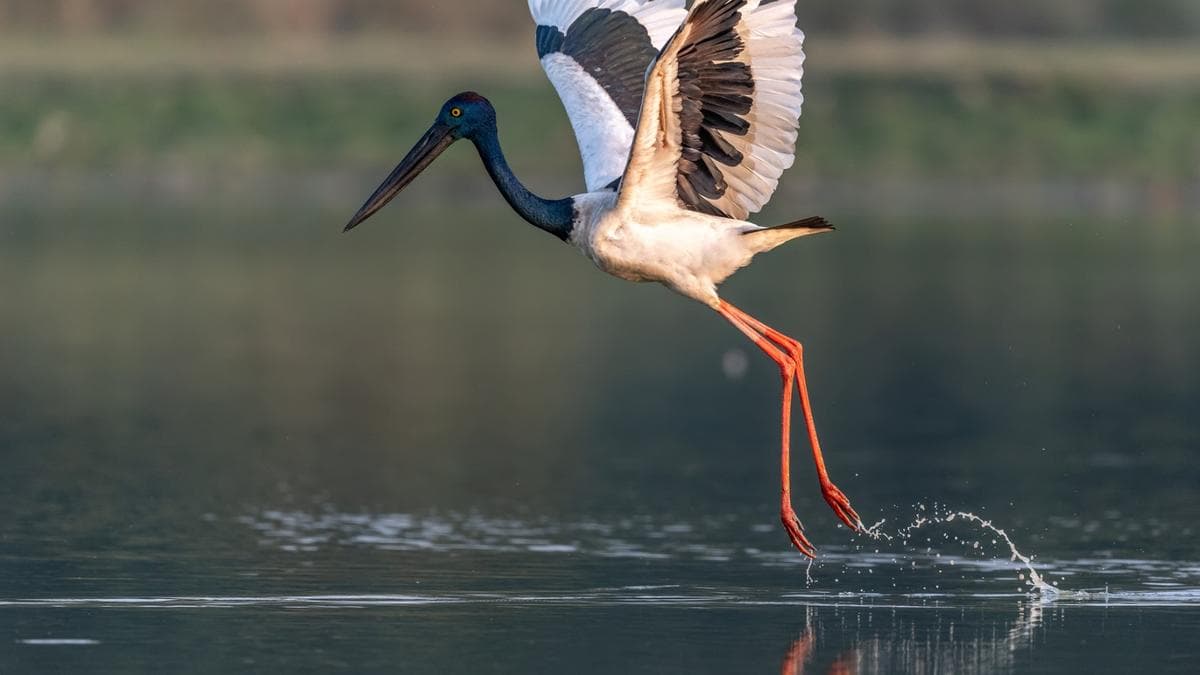
A comprehensive survey conducted by forest authorities and Gauhati University reveals that the iconic park serves as a critical refuge for dozens of bird of prey and stork species.
The sprawling wetlands and dense forest cover of Kaziranga National Park have long been celebrated for the one-horned rhinoceros, but recent data confirms the landscape is equally vital for avian conservation. A collaborative survey between the Kaziranga Tiger Reserve authority and researchers from Gauhati University has recorded 30 distinct species of raptors and six species of storks across the park’s three administrative divisions. Conducted between late February and early March, the study highlights the park's stature as a premier habitat for diverse birdlife in Assam.
A Sanctuary for Aerial Predators
The survey, which involved a 10-member team, identified 217 individual raptors—a group encompassing eagles, vultures, falcons, buzzards, and owls. With India hosting 112 raptor species in total, the fact that Kaziranga and its periphery harbor nearly 50 of these suggests the region is one of the most significant biodiversity corridors in the country. Among the sightings, the Himalayan griffon vulture emerged as the most common, with 69 individuals counted. Conversely, the booted eagle and white-tailed eagle were identified as the rarest, each represented by a single sighting.
Tracking Stork Populations
While raptors dominate the skies, the park’s wetlands serve as a lifeline for storks. The team documented 266 individual storks across six species. Of these, the Asian openbill was the most abundant, with 92 individuals recorded. In a concerning contrast, the greater adjutant stork—a species of immense conservation interest—was found to be the rarest among those surveyed, with only three individuals spotted. Assam is particularly significant for these birds, as the state is home to all eight of the stork species found throughout India.
Global Significance and Breeding Sites
Beyond the raw numbers, the survey underscores the park’s ecological value on a global scale. Kaziranga has solidified its reputation as a final stronghold for the enigmatic Pallas’s fish eagle. Research previously conducted by the Wildlife Institute of India in 2020 identified 10 active nests within the park, establishing it as the most important breeding site for the species anywhere in the world.
The findings were released to coincide with World Environment Day, emphasizing the necessity of protecting the Himalayan foothills and Assam’s wetlands. By spanning the East Assam, Biswanath, and Nagaon Wildlife Divisions, the research provides a granular look at how these birds utilize the varied terrain. The data shows that the East Assam Wildlife Division hosted the highest variety of raptors, while the Biswanath division recorded a full suite of six stork species, proving that the park's administrative zones all play a distinct role in sustaining these threatened populations.
The PoliticalPedia Editorial Desk brings verified, sourced political news and analysis from across India.