Karnataka Travel Operators Seek Regulatory Shift in Digital Compliance Framework
Karnataka travel operators seek clarity on digital compliance burden under amended CMV rules
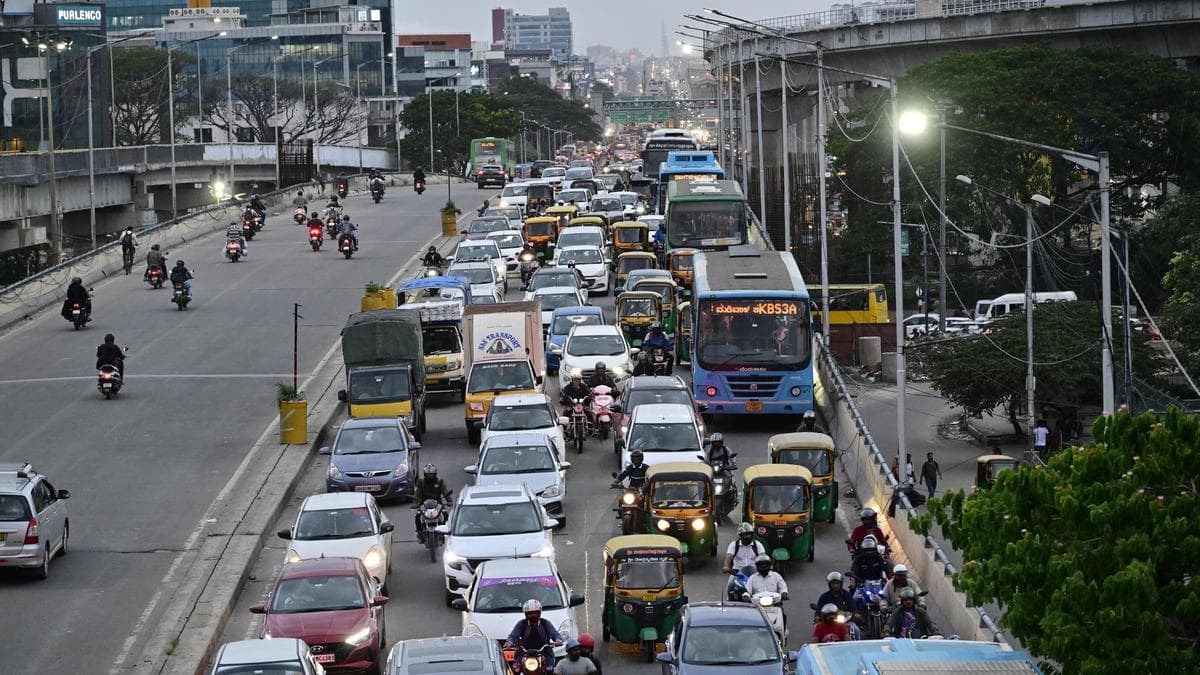
The state’s commercial vehicle sector argues that current CMV rule amendments place an untenable technical burden on owners rather than manufacturers.
The Karnataka State Travel Operators’ Association (KSTOA) has officially requested that the Union government re-examine the implementation framework for the recently amended Central Motor Vehicles (CMV) Rules. While the industry acknowledges the potential of these updates to bolster road safety and transparency, the association warns that the current digital compliance mandate risks overwhelming operators with technical responsibilities they are ill-equipped to manage.
Technical Overload for Commercial Operators
At the heart of the concern is the sheer volume of digital systems now required for legal operation. Under the updated norms, commercial vehicle owners must ensure the seamless functioning of AIS-140-based Vehicle Location Tracking Devices (VLTDs), High Security Registration Plates (HSRP), and complex e-SIM connectivity. Furthermore, the rules introduce requirements for geo-tagged video inspections and sustained digital data storage.
K. Radhakrishna Holla, president of the association, maintains that shifting the weight of this infrastructure onto the vehicle owner is fundamentally flawed. Operators are already navigating a labyrinth of statutory financial obligations, including road taxes, permits, insurance, and rising fuel costs. "Adding technical responsibilities like software updates, connectivity maintenance, and troubleshooting is neither practical nor fair," Holla noted, highlighting that many operators lack the specialized expertise required to troubleshoot these systems.
Realigning Responsibility to OEMs
The association’s proposal centers on a shift in accountability. Because original equipment manufacturers (OEMs) and their authorized dealers design and install these digital systems, the KSTOA argues they should also remain responsible for their lifecycle. They have urged the government to mandate that OEMs provide uninterrupted connectivity, technical support, and necessary software updates for a period of at least ten years following a vehicle's registration.
This reclassification of liability would protect operators from punitive measures—such as the loss of vehicle fitness certification or permit validity—stemming from digital glitches or hardware malfunctions that are beyond the owner’s control. By placing the onus on the manufacturers, the association believes the government can achieve its goal of a modernized transport sector without crippling the viability of small-scale commercial transport businesses.
Administrative Hurdles and Implementation
Beyond the challenges faced by vehicle owners, the implementation of these rules presents a logistical test for state authorities. Regional Transport Offices (RTOs) and Automated Testing Stations (ATSs) are expected to manage and analyze vast streams of digital data, including extensive video records and real-time tracking logs.
To prevent systemic gridlock, the association has called for a phased implementation of these digital mandates. A staggered rollout would allow both the administration and the transport sector to adapt to the new framework without causing widespread service disruptions. As the government seeks to digitize the national transport ecosystem, the dialogue in Karnataka serves as a critical test case for balancing high-tech regulatory goals with the on-ground realities of commercial fleet management.
The PoliticalPedia Editorial Desk brings verified, sourced political news and analysis from across India.