Karnataka Council Polls: BJP Reels From Cross-Voting Debacle as Congress Sweeps Five Seats
Shock For BJP In Karnataka Council Polls: CM DK Shivakumar Scores Big Win, Cross-Voting Exposes Rifts
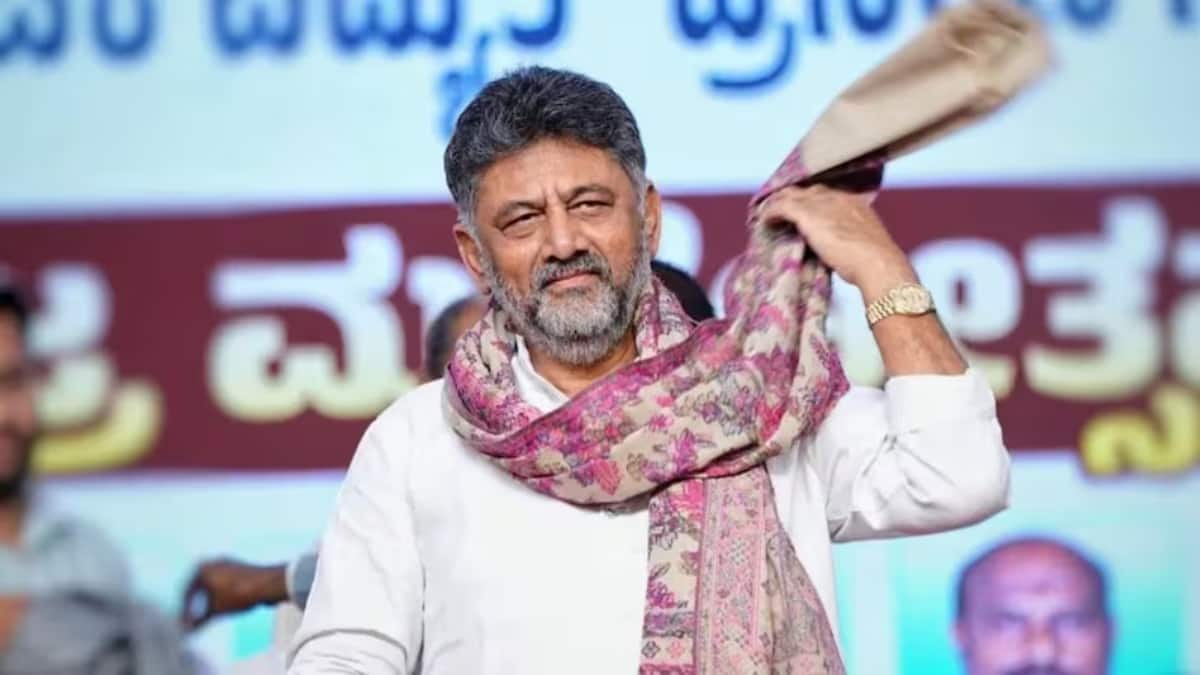
A decisive tally in the Legislative Council elections has left the BJP grappling with internal dissent, while a dominant Congress performance marks a significant power play in the state.
The political temperature in Bengaluru has spiked following a dramatic day at the Karnataka Legislative Council polls. As the dust settled, the Congress party emerged with a commanding mandate, securing five of the seven contested seats. For the ruling party, this outcome is more than a legislative victory; it is a clear assertion of dominance. For the opposition, however, the results have triggered a immediate internal crisis, with allegations of cross-voting exposing deep-seated fractures within the BJP’s state unit.
The numbers tell a story of lopsided momentum. Congress candidates Vinay Karthik, Tippannappa Kamakanur, BS Shivanna, BK Hariprasad, and PV Mohan sailed to victory, with Karthik leading the charge by securing 32 votes. On the other side of the aisle, the BJP managed to salvage two seats—Raghu Kautilya and Lingaraj Patil—but the process was far from smooth. Patil, in particular, had to rely on second-preference votes to cross the finish line, while the Janata Dal (Secular) candidate, Govind Raju, was left stranded with a meager 14 votes.
Internal Rifts Exposed
The most jarring takeaway from this election is not the seat tally, but the "shock for BJP" that unfolded during the counting process. Leader of the Opposition R. Ashok did not mince words when addressing the media, publicly acknowledging that the party’s own members had defied the whip. The admission of cross-voting, compounded by the fact that one BJP vote was declared invalid, has turned the spotlight toward the party’s organizational discipline.
"We will definitely find out who cross-voted and betrayed the party," Ashok stated, confirming that the high command is now scouting for the dissenters. This public acknowledgment of betrayal suggests that the party’s internal cohesion is under immense pressure, and the fallout will likely result in disciplinary action against those who chose to vote against the official line.
Why it matters
This result serves as a critical bellwether for the state's political equilibrium. When a party as structured as the BJP suffers from internal leakage, it often signals a deeper discontent or a disconnect between the leadership and the grassroots cadre. For CM DK Shivakumar, the "big win" provides the necessary political capital to consolidate his influence within the Congress ranks and project stability in the state legislature.
The bigger picture here is the fragility of party lines in high-stakes council elections. While these polls are often viewed as secondary to general elections, they function as a litmus test for party loyalty and the efficacy of backroom management. By failing to keep its house in order, the BJP has allowed the Congress to turn a routine election into a narrative of disarray. As the state moves toward its next legislative cycle, the BJP’s primary challenge will be to bridge these widening rifts before they evolve from an embarrassing voting incident into a systemic electoral liability.
Rohan Gupta covers the economy, markets and companies for PoliticalPedia.