Karnataka Cabinet Crisis: Why Ramalinga Reddy’s Resignation Has Pushed DKS Into A Corner
Watch: Karnataka cabinet shock: Why Ramalinga Reddy’s resignation has pushed DKS into a corner
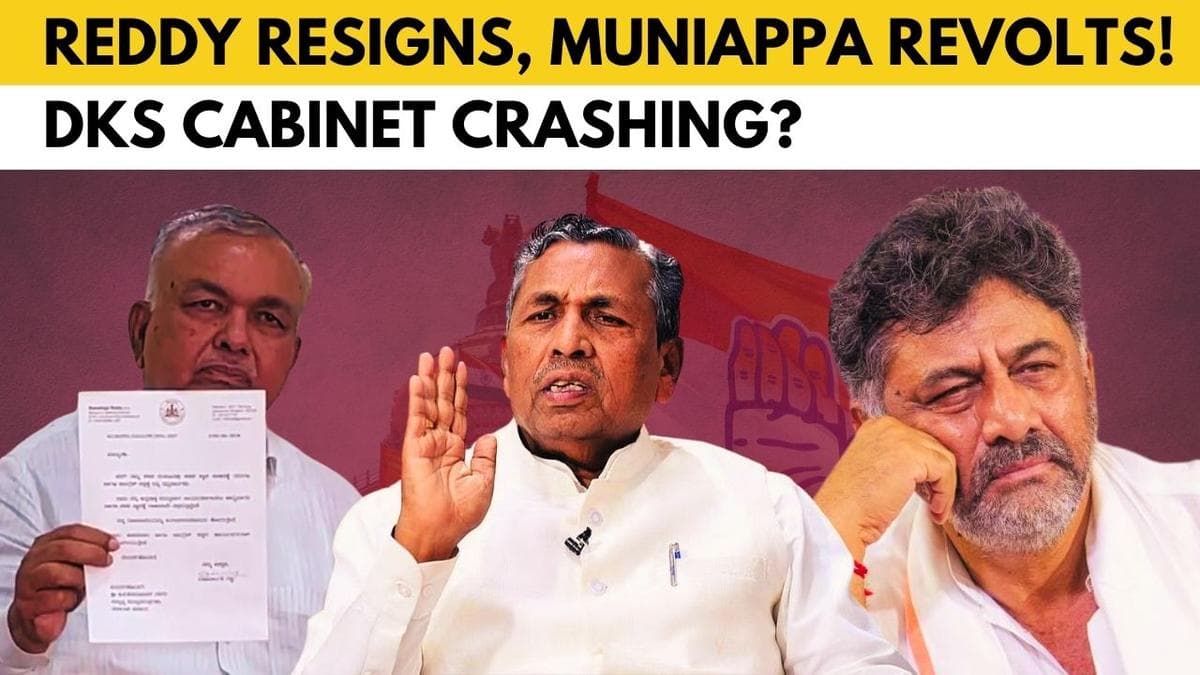
The sudden exit of a veteran minister has sparked a fresh wave of internal turbulence in Bengaluru, challenging the leadership dynamics within the state’s ruling hierarchy.
The political landscape in Karnataka faces a fresh bout of volatility following the unexpected resignation of senior minister Ramalinga Reddy. As observers watch closely to see how the fallout impacts the stability of the current administration, the development has placed Deputy Chief Minister D.K. Shivakumar (DKS) in a precarious position. The move is seen not merely as an isolated departure but as a significant signal of shifting loyalties and mounting pressure within the cabinet, leaving the party’s central leadership scrambling to contain the optics of internal discord.
Navigating Internal Friction
For DKS, the timing of this resignation could not be worse. Often viewed as the primary strategist for the party in the states, Shivakumar now finds his own authority under scrutiny. Insiders suggest that Reddy’s decision reflects long-standing grievances that were never adequately addressed, placing the onus on the Deputy CM to either placate dissenting voices or risk further erosion of his influence. The political maneuvering currently underway is being compared to past instances where internal cabinet reshuffles signaled broader cracks in the legislative majority.
The Broader Impact
Beyond the immediate headlines, the situation demands a deeper look into the data surrounding legislative stability. While political topics often dominate the world of local discourse, this specific resignation highlights the delicate balance of power in Karnataka. Just as the science of coalition management requires precision, the current crisis tests the limits of DKS’s ability to act as a bridge between the old guard and the younger, more assertive factions of the party.
Information Flow and Public Perception
In an era where citizens turn to digital newsletters and curated sections to stay informed, the ripple effects of this resignation are being felt far beyond the corridors of power. The government’s ability to communicate its narrative—often through its official newsletters or social media updates—has been hampered by the vacuum created by Reddy’s exit. Whether this translates into a broader cabinet reshuffle or leads to a period of administrative paralysis remains the central question for those tracking the regional political trajectory.
Implications for Governance
While the administrative machinery continues to function, the focus on health, infrastructure, and other key departments often suffers during such political transitions. If the leadership fails to address the underlying causes of this resignation, the governance health of the state could be compromised in the long term. For now, the eyes of the public remain fixed on whether DKS can manage this crisis or if the resignation serves as the first domino in a larger political realignment that could reshape the state’s legislative future.
The PoliticalPedia Editorial Desk brings verified, sourced political news and analysis from across India.