Justice in the Twilight: A 40-Year Wait at the Allahabad High Court
Allahabad HC takes 4 decades to decide on murder conviction appeal
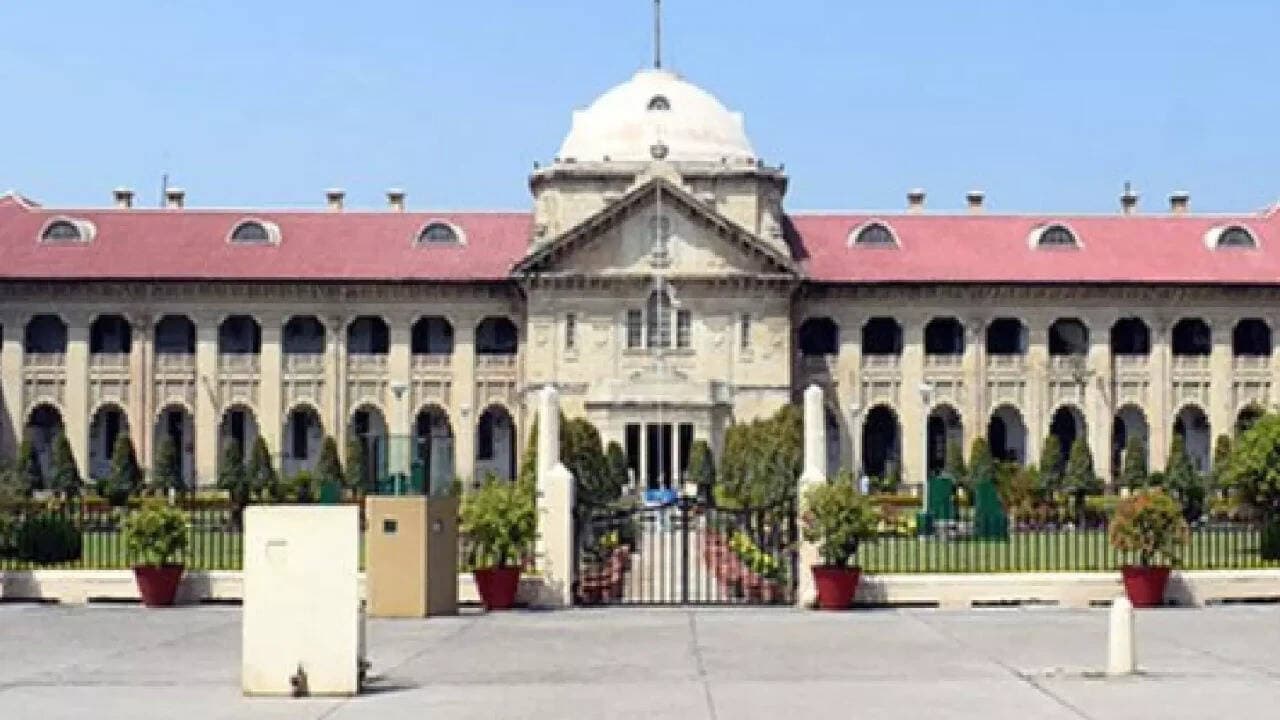
The Supreme Court has expressed sharp disappointment after discovering a murder appeal languished for four decades in the Allahabad High Court, leaving an accused in legal limbo.
The wheels of justice in India’s most populous state are turning at a glacial pace. This week, the Supreme Court confronted a case that has become a grim symbol of judicial backlog: a man, arrested as a 28-year-old in November 1983 for a murder charge, has only now seen his appeal against a life sentence reach a definitive moment of scrutiny. After spending over 40 years waiting for the Allahabad HC to decide his fate, the sheer scale of the delay has left the bench of Justices Prashant Kumar Mishra and AS Chandurkar visibly disturbed.
For the man in question, the legal journey has been a marathon of uncertainty. While he spent only three months behind bars initially, he has lived under the shadow of a pending conviction for 43 years while on bail. The high court took 41 years just to process the initial appeal. When the matter finally climbed to the apex court, the judges were forced to grapple with a systemic failure where the pendency of pleas has become so heavy that it has effectively clogged the pipeline of justice.
The Search for Solutions
During the proceedings, Justice Mishra pressed for solutions to unclog the system. The suggestions were stark: counsel for the petitioner proposed the wholesale dismissal of all prosecution appeals pending for three decades. However, the bench rejected this, noting that the basics of adjudication do not permit such a blanket approach. They cautioned that dismissing cases simply due to long pendency could potentially harm the public interest, stressing that the state must be given a fair opportunity to address the court.
This case is not an isolated anomaly. The Allahabad High Court has recently seen a flurry of long-pending matters reach a conclusion, with several involving defendants now in their twilight years—some as old as 100. From acquittals in decades-old murder cases to probes into police conduct from the 1980s, the docket is heavy with echoes of a bygone era.
The Bigger Picture
This systemic lethargy creates a "justice delayed is justice denied" scenario that undermines the credibility of the criminal justice system. When a court takes four decades to determine a murder conviction, it fails both the accused, who lives in perpetual anxiety, and the victims, who are denied timely closure. The pattern of aging defendants—some reaching the end of their lives while awaiting verdicts—suggests that the current infrastructure is buckling under the weight of its own volume. Until the Allahabad HC implements radical procedural reforms or shifts to more efficient case management, these "legacy cases" will continue to surface, serving as a reminder that the judiciary is struggling to keep pace with the life spans of those it judges.
Politics Desk at PoliticalPedia covers parties & elections for an Indian audience in English and Hindi.