A Lifetime of Litigation: The Allahabad HC’s Four-Decade Wait for Justice
Allahabad HC takes 4 decades to decide on murder conviction appeal
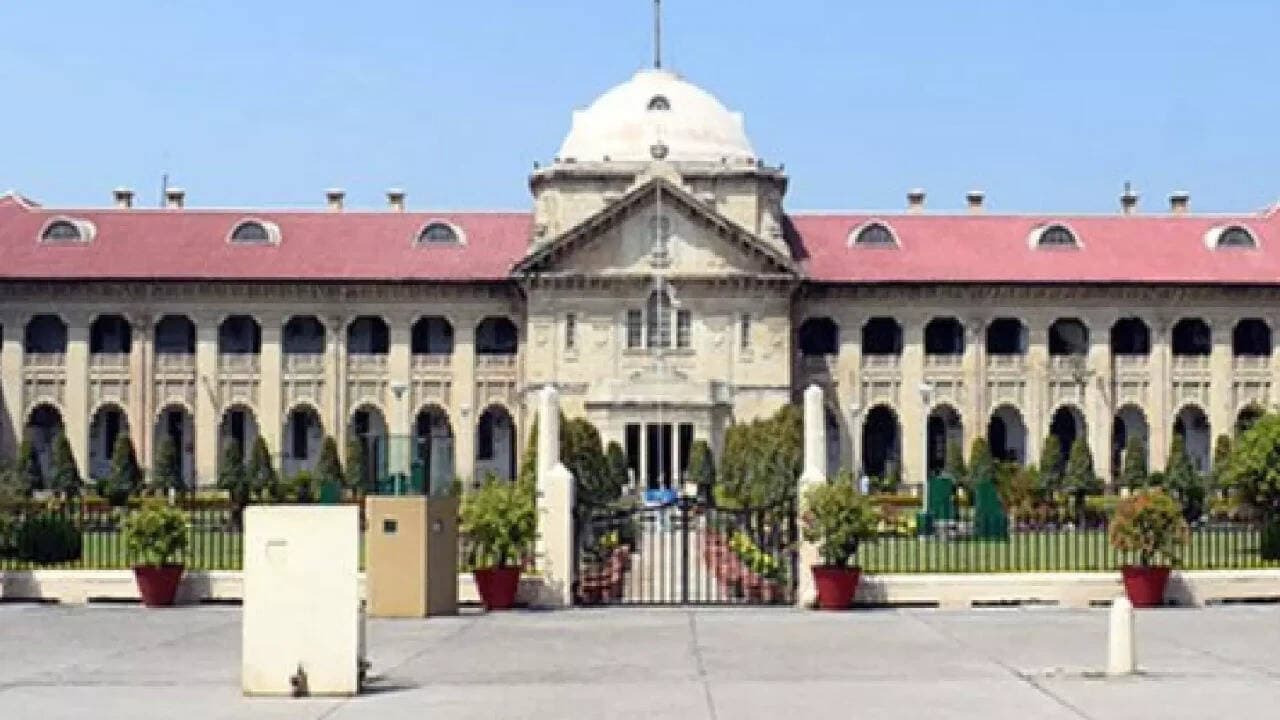
The Supreme Court has expressed sharp disapproval after a man remained caught in a 41-year legal limbo following his murder conviction.
In November 1983, a 28-year-old man was arrested for murder. Today, that man has lived through more than four decades of uncertainty, his appeal against a trial court’s life sentence gathering dust in the Allahabad High Court. This week, the Supreme Court finally stepped in, visibly disturbed by the sheer scale of the delay. Justices Prashant Kumar Mishra and AS Chandurkar, confronted with a case that had a "gestation period" of 41 years in the high court, granted the man bail, noting that he had spent only three months in actual custody while remaining on bail for the better part of his adult life.
The bench did not mince words, questioning what innovative steps the Allahabad court could possibly take to unclog its jammed judicial gears. It is a recurring nightmare for the system; the high court’s massive pendency has become a primary driver for litigants rushing to the Supreme Court just to demand an expeditious hearing. When counsel suggested a blanket dismissal of prosecution appeals pending for over 30 years to clear the backlog, the apex court flatly rejected the idea. Adjudication, the judges reminded, cannot be reduced to a numbers game; the public interest must be weighed against the right to a speedy trial.
A Pattern of Protracted Pendency
This case is not an isolated shocker but part of a troubling trend emerging from the Allahabad high court. Recent reporting across the legal landscape reveals a pattern of cases dragging on for decades, often reaching a resolution only when the accused have reached the twilight of their lives. In several instances, men have been acquitted of murder charges only after crossing the age of 90 or 100, effectively rendering the concept of "justice" moot. Whether it involves rape-murder cases where witnesses have long since disappeared, or old disputes involving police conduct, the institution is struggling to reconcile its massive caseload with the basic human right to a timely verdict.
The Bigger Picture: Why It Matters
The systemic failure here goes beyond mere administrative inefficiency. When the court takes 40 years to decide a case, the very purpose of criminal justice—deterrence and retribution—evaporates. For the accused, it is a life spent under the shadow of a hanging verdict; for the victims’ families, it is a denial of closure. This backlog forces the Supreme Court to act as a fire-fighting body rather than a constitutional arbiter, constantly intervening in the high court's affairs. Unless the state addresses the structural rot in the lower and high courts, the "clogged wheels" will continue to grind down the lives of citizens, turning the judicial process itself into a form of punishment.
Politics Desk at PoliticalPedia covers parties & elections for an Indian audience in English and Hindi.