Iran blames Washington for fresh Israel clashes as regional truce teeters
Iran blames U.S. for latest exchanges of fire with Israel
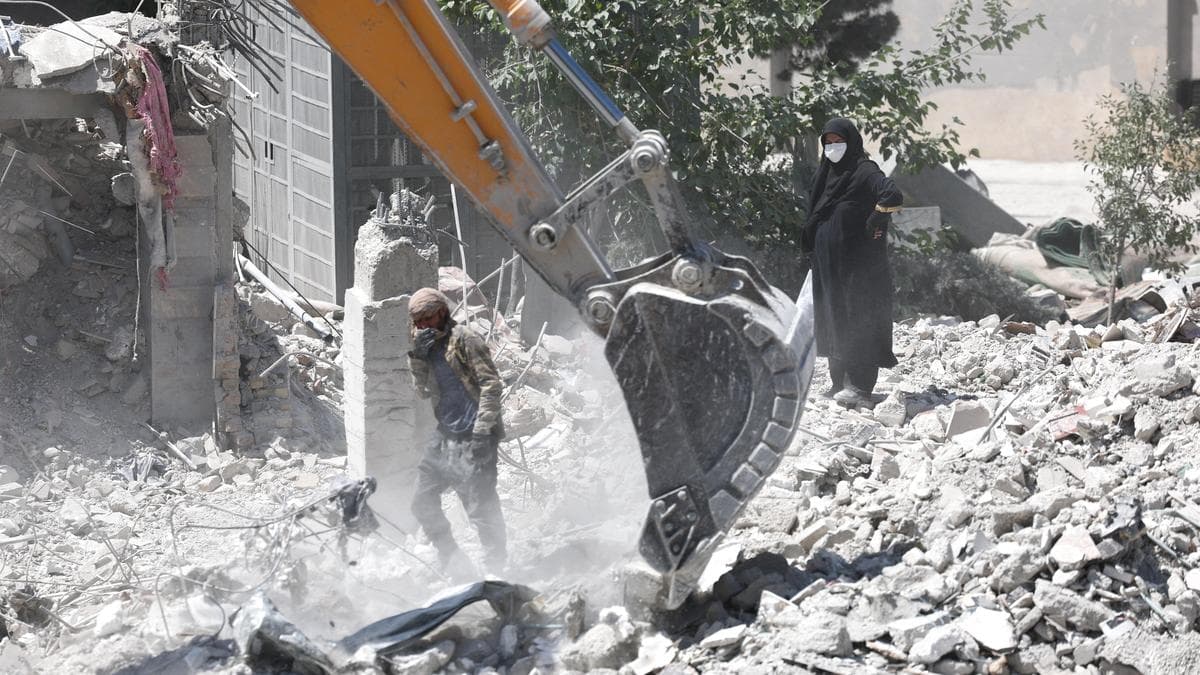
Tehran accuses the U.S. of direct responsibility for cross-border fire, warning that the fragile April 8 ceasefire is nearing a total breakdown.
The diplomatic corridor between Tehran and Washington has turned into a high-stakes arena of "extreme suspicion," as the latest overnight exchanges of fire between Iran and Israel threaten to upend a months-long, albeit fragile, peace process. Iranian Foreign Ministry spokesperson Esmaeil Baghaei addressed the media on Monday, asserting that these hostilities—which included an Israeli strike on a petrochemical facility in southwestern Iran and retaliatory missile launches from Tehran—are effectively sabotaging the path toward regional stability.
Baghaei’s remarks signal a hardening stance from the Iranian capital. By holding the United States directly responsible for Israel’s military actions, Tehran is signaling that it views the Biden administration not merely as a mediator, but as an active participant in the regional escalation. According to the Foreign Ministry, Israel does not—or will not—take independent action without consulting the White House, making the U.S. a primary stakeholder in every violation of the April 8 ceasefire agreement.
A chaotic diplomatic landscape
The tension is playing out on multiple fronts. Beyond the direct military exchanges, Baghaei noted that Iran is continuing to hold indirect communications with Washington, with a recent visit by Pakistan’s Interior Minister to Tehran serving as a conduit for these back-channel discussions. However, the efficacy of these talks remains in doubt. The Iranian side insists that the "chaotic diplomatic process" is being derailed by contradictory signals from Washington and an inability to rein in Israeli operations, particularly those occurring in Lebanon.
The humanitarian and economic stakes for Indian citizens and regional stakeholders are rising. Following the latest flare-up, Indian authorities have advised their nationals to avoid travel to Iran and have urged those already present to leave the country using available transport. The climate of uncertainty is further compounded by the impending meeting of the U.N. nuclear watchdog’s Board of Governors. Baghaei has already warned of an Iranian response to any resolutions targeting its nuclear program, specifically criticizing IAEA chief Rafael Grossi for what Tehran labels as biased, politically motivated oversight.
Why it matters: The bigger picture
This latest cycle of violence suggests that the April 8 ceasefire was less a resolution and more a temporary pause in a much deeper structural conflict. The pattern is becoming clear: military strikes between Iran and Israel are increasingly used as leverage to force the U.S. into a specific diplomatic corner. By framing the U.S. as the primary architect of regional security, Iran is attempting to shift the pressure from its own border clashes onto Washington’s shoulders.
For the global markets and regional stability, this is a dangerous game of brinkmanship. If the indirect communication channels between Tehran and Washington collapse, the "extreme suspicion" mentioned by Baghaei could transition into a broader, uncontrollable regional war. The international community is now watching closely to see if the U.S. can reassert control over the ceasefire parameters or if the current drift toward escalation will become the new, volatile normal.
Business Desk at PoliticalPedia covers economy & markets for an Indian audience in English and Hindi.