Inked fingers and boarding passes: Probe widens into foreign nationals who voted in Tamil Nadu
Foreigners who returned after voting in T.N. Assembly election come under the scanner
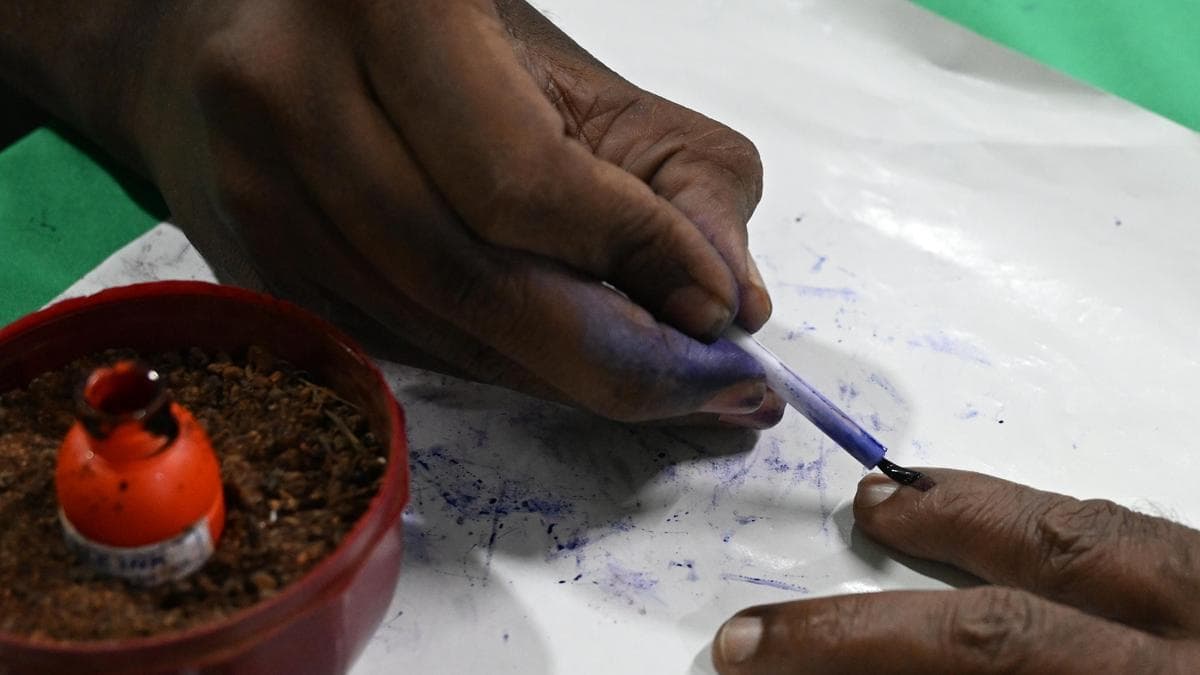
Investigators are tracking dozens of cases where individuals holding foreign passports allegedly exercised their franchise during the recent Tamil Nadu assembly election before flying back abroad.
The tell-tale mark of indelible ink on a finger is usually a badge of democratic duty, but at Madurai and Chennai airports, it has become a liability. In a series of startling incidents, immigration authorities have intercepted passengers preparing to board international flights who were still sporting the unmistakable blue stain of the recent Tamil Nadu assembly election. These aren't isolated lapses; investigators have now identified around 40 cases of foreign nationals who allegedly bypassed the law to cast their ballots, triggering a wider probe into how these individuals remained on the electoral rolls.
The operation has moved into high gear, with central and state law-enforcement agencies collaborating with the Election Commission of India (ECI). Officials are currently combing through arrival and departure data provided by the Bureau of Immigration to flag travellers who landed in the state just before the April 23 polling and vanished back overseas within days. The suspicion is that these foreign nationals, many of Indian origin, treated the election like a quick-trip errand, flying in specifically to exercise a franchise they are legally ineligible to hold.
The mechanics of the fraud
The investigation has uncovered a troubling pattern of institutional failure during the Special Intensive Revision (SIR) of electoral rolls. How did names of non-citizens persist on the lists? Preliminary findings suggest that in many instances, family members residing in India filled out enumeration forms and signed them on behalf of the foreign nationals, effectively providing a false declaration of residency.
"If a voter is falsely shown to be residing in India, action will be taken against those responsible for making that false declaration," a senior state government official noted. Beyond official records, investigators are also scouring social media, where some users have brazenly posted videos or status updates boasting about their travel itineraries to Bengaluru or Chennai specifically to "cast their vote." These digital trails are now being treated as evidence of potential violations of the Representation of the People Act, 1951.
Why it matters
This situation highlights a significant vulnerability in the integrity of the electoral process: the reliance on self-reporting during the revision of rolls. When family members or local proxies can manipulate the enrollment process, it undermines the sanctity of the voter list. The implications here are twofold: it forces a re-examination of how the ECI verifies the residency status of overseas-linked voters and raises questions about the oversight mechanisms during the SIR. If nearly 40 people were caught simply by chance at airport security, the true scale of "tourist voting" could be significantly higher, posing a challenge to the ECI’s efforts to ensure that only those with a legitimate, enduring stake in the local constituency decide the state's leadership.
The cases—ranging from a couple stopped at Madurai to a UK national detained at Chennai airport after admitting to voting in the Velachery constituency—have now become a criminal matter. As police continue their interrogations, the state is preparing to initiate proceedings against both the voters who left the country and the individuals on the ground who facilitated their illegal registration.
Politics Desk at PoliticalPedia covers parties & elections for an Indian audience in English and Hindi.