How the BJP’s surprise third candidate is rattling the Congress in Madhya Pradesh
How BJP’s third Rajya Sabha candidate in Madhya Pradesh is testing Congress unity
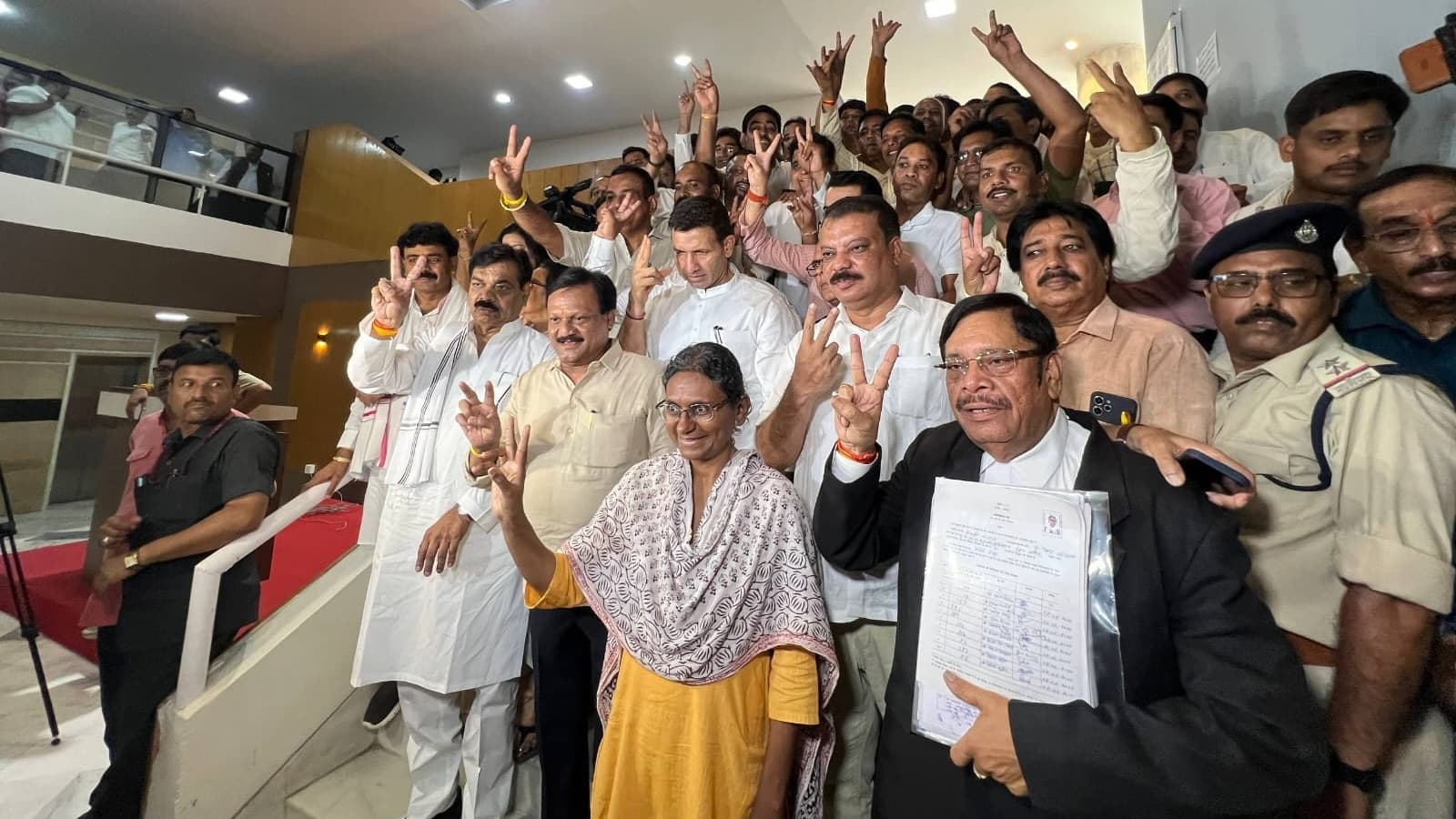
By forcing a contest for the final Rajya Sabha seat, the BJP is turning a routine legislative exercise into a high-stakes test of internal loyalty for the opposition.
The quiet corridors of the Madhya Pradesh Assembly are suddenly humming with a familiar, high-stakes anxiety. What began as a predictable path to the Rajya Sabha for Congress nominee Meenakshi Natarajan has been upended by the BJP’s decision to field a third candidate, Mahesh Kewat. By nominating the Chairman of the Fishermen Welfare Board, the ruling party has signaled that it has no intention of letting the third seat go uncontested—or, perhaps more pointedly, it has no intention of letting the Congress claim it without a sweat.
The numbers game
On paper, the arithmetic remains a tight squeeze for the opposition. In a 230-member Assembly, the BJP commands a dominant 164 seats, while the Congress holds 63. However, with two Congress MLAs currently ineligible to vote and the status of others—like Bina MLA Nirmala Sapre—leaning toward the BJP, the opposition’s effective strength has withered to roughly 61. With each candidate requiring 58 first-preference votes to win, the Congress holds a wafer-thin margin. The BJP, having comfortably secured its first two seats with 116 votes, sits on a surplus of 48, leaving them just shy of the threshold needed to bridge the gap through potential cross-voting.
A test of internal cohesion
Beyond the raw math, the BJP’s move is a calculated probe into the Congress’s internal stability. Senior party leaders in Bhopal admit that even if a victory for the third seat is a long shot, the goal is to make any internal fractures visible. For the Congress, the nomination has forced an immediate state of high alert. Leadership, including Kamal Nath, Digvijaya Singh, and state chief Jitu Patwari, has been scrambling to present a united front, with discussions even surfacing about relocating MLAs to a secure location like Karnataka to prevent poaching or dissent.
Why it matters
This contest is less about the Rajya Sabha itself and more about the optics of power in a post-Assembly election landscape. By forcing a fight for the third seat, the BJP is compelling the Congress to constantly demonstrate its relevance and unity. If the Congress manages to pull through, it will claim a victory of principles; if they falter, it will reinforce the narrative of a party struggling to hold its ranks together. It is a classic exercise in political pressure: in a house where the ruling party holds an overwhelming majority, the mere threat of a contest is enough to turn the opposition’s legislative strategy into a defensive, fragmented struggle.
As June 18 approaches, the focus in Bhopal remains fixed on the potential for cross-voting. While Congress leaders like Umang Singhar maintain that the party is resolute and that the BJP’s tactics will fail, the visible scramble to consolidate votes suggests a deeper wariness. In the current climate of Madhya Pradesh politics, the battle for a single seat in the Upper House has become the ultimate litmus test for the opposition’s staying power.
Politics Desk at PoliticalPedia covers parties & elections for an Indian audience in English and Hindi.