India’s Digital Paradox: The Gap Between Owning a Phone and Meaningful Inclusion
Digital 2.0: Access to mobiles up, but not empowerment
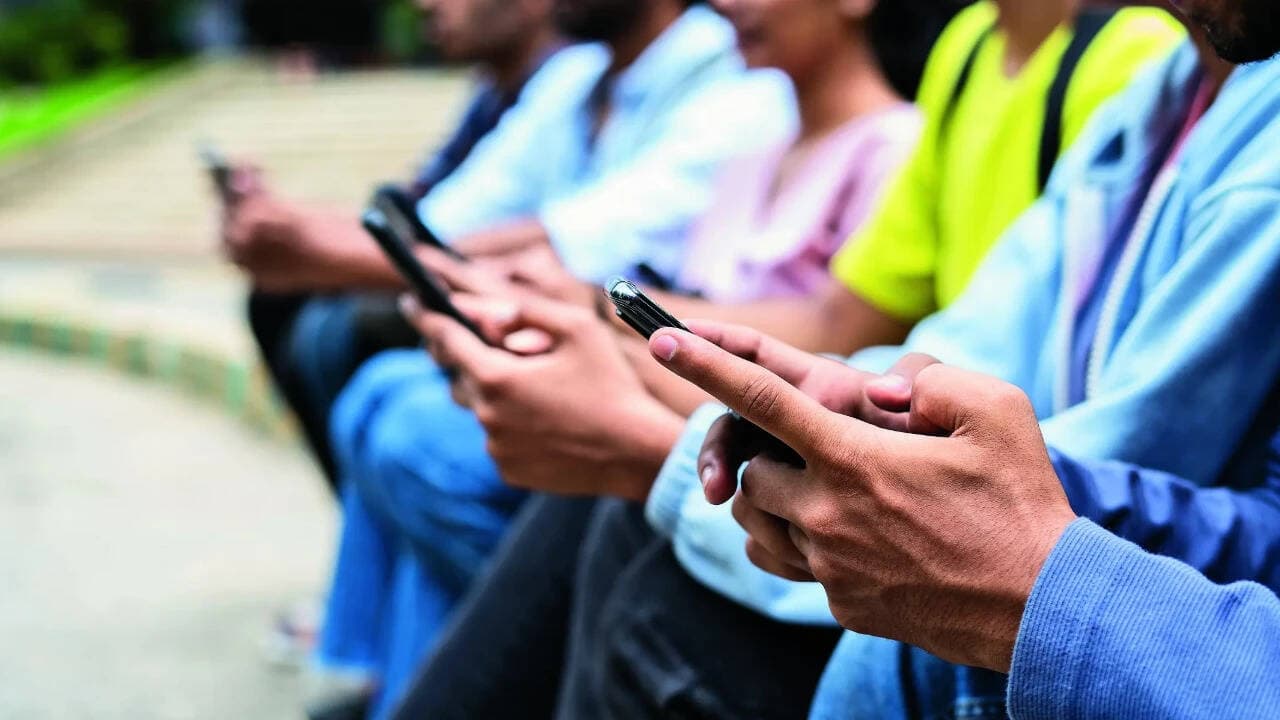
A new study reveals that while mobile penetration has hit near-saturation, the promise of true digital empowerment for millions remains largely unfulfilled.
For years, the narrative of India’s progress has been pinned to the sheer volume of mobile devices in circulation. Walking through a bustling market in Delhi or a remote village in Odisha, the ubiquity of the smartphone is undeniable. However, a significant new report from the National Council of Applied Economic Research (NCAER), in partnership with The Quantum Hub and the Women in Digital Economy Network, suggests that the country has reached a critical inflection point where hardware ownership no longer guarantees societal advancement.
The Reality of Connectivity
The numbers paint a stark picture of a lopsided revolution. While 95.1% of households now own a mobile device and nearly 75% possess an internet-enabled smartphone, the actual usage metrics suggest a massive untapped potential. According to the study, which drew on data from 2.1 lakh individuals, only 39.7% of Indians aged 15 and above are actively navigating the internet.
The divide is even more pronounced when looking at utility. Mere ownership of a device does not equate to the ability to leverage digital tools for upward mobility. Only 16.1% of connected households are using their digital access for online education, and a sobering 11.4% engage with government services online. For the vast majority, the digital world remains a passive space for entertainment rather than an active arena for social and economic empowerment.
Why it matters
This is the second phase of India’s digital divide. We have moved past the initial hurdle of physical access—the "first divide"—and are now facing a deeper, systemic challenge. The concern among policymakers and experts is that digital transformation, if left to market forces alone, may simply mirror existing social and economic inequalities rather than dismantling them.
When technology fails to bridge the gap in financial literacy, health resources, or job opportunities, it risks creating a two-tiered society: those who use the internet to build their future, and those who merely scroll through it. As global reports from the World Bank and the WHO indicate, the potential for digital tools to foster gender equality and better health outcomes is immense, but this requires an intentional shift toward digital literacy and infrastructure that prioritizes utility over mere connection.
Moving Beyond the Hardware
The challenge ahead is less about tower density and more about capability. If the goal is true digital inclusion, the focus must shift from the number of handsets sold to the quality of interactions. Whether through government welfare portals or private educational platforms, the technology is only as valuable as the user’s ability to command it. Without addressing these barriers, India risks stalling at the threshold of a digital economy, owning the tools of the modern age while struggling to unlock their true power.
National Affairs Desk at PoliticalPedia covers government & policy for an Indian audience in English and Hindi.