Apple’s Siri AI overhaul: A smarter, context-aware assistant arrives
Apple’s Siri AI overhaul: A look at key features coming this year
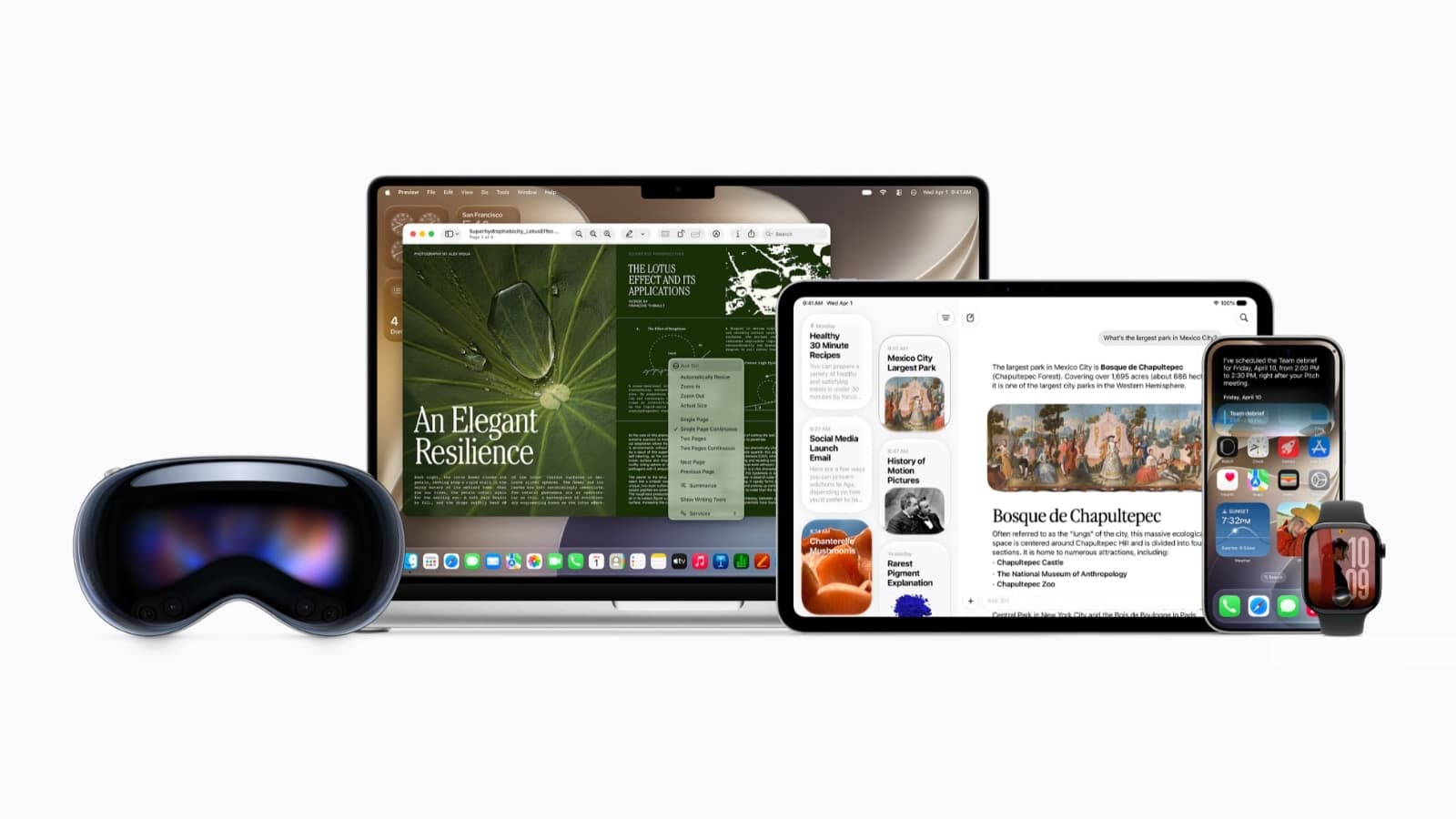
After years of lagging behind competitors, Apple is finally deploying a massive intelligence-driven upgrade to its voice assistant, aiming to turn Siri into a proactive daily companion.
For over a decade, Siri has been the reliable but limited voice of the iPhone, often struggling with anything beyond basic timers or weather queries. That era is coming to a definitive end. At WWDC 2026, Apple pulled back the curtain on "Siri AI," a bottom-up redesign of its digital assistant that leverages Apple Intelligence to finally bridge the gap between simple commands and genuine, agent-like conversational capability.
The new system moves away from the rigid, programmatic responses that have defined the assistant since 2011. By integrating large language models—powered in part by a strategic partnership with Google’s Gemini—the revamped assistant can now handle back-and-forth dialogue, remember previous questions, and maintain context across different tasks. If you’re checking a flight confirmation in your email, you can now ask follow-up questions about the schedule without needing to restart the interaction.
A new, intuitive interface
Beyond the brainpower, the interaction model is shifting. While the familiar "Hey Siri" remains, users can now invoke the assistant via the side button or by pulling down from the Dynamic Island. More importantly, Siri AI is becoming screen-aware. It can analyze images, messages, and documents directly on your device, offering suggestions or extracting details without you having to copy-paste between apps. A dedicated standalone app will also allow users to store and revisit past conversations, syncing that history securely across iPhones, iPads, and Macs via iCloud.
For power users, the most significant change is the move toward multitasking. The new system is designed to perform system-wide actions, such as finding specific photos or drafting emails based on information buried in your Notes app. It even introduces a more expressive voice, with options for users to customize the pace and tone of the assistant, alongside vastly improved dictation that manages punctuation and formatting automatically.
Why it matters: The bigger picture
This pivot is more than just a software update; it is an existential correction for Apple. As rivals like Google and OpenAI have pushed their assistants toward "agentic" capabilities—where the software actively completes tasks rather than just retrieving data—Siri’s static nature had become a liability. By leaning into on-device processing and deep ecosystem integration, Apple is trying to reclaim the "privacy-first" narrative while finally delivering the convenience users have been demanding for years.
However, the rollout isn't without its friction. The company has already faced significant delays, and these new features will face a staggered launch, with availability currently limited to English and certain regions like the European Union held back by regulatory hurdles. For Apple, the success of this overhaul is critical; as leadership transitions approach, the ability of their software to genuinely anticipate user needs will dictate how well the brand holds its ground against the rapid evolution of generative technology.
Politics Desk at PoliticalPedia covers parties & elections for an Indian audience in English and Hindi.