India Rebukes Pakistan at UN: UNSC Seat is a Huge Responsibility, Not a Forum for Bias
UNSC membership huge responsibility, not forum for peddling biased, false narratives: India slams Pakistan
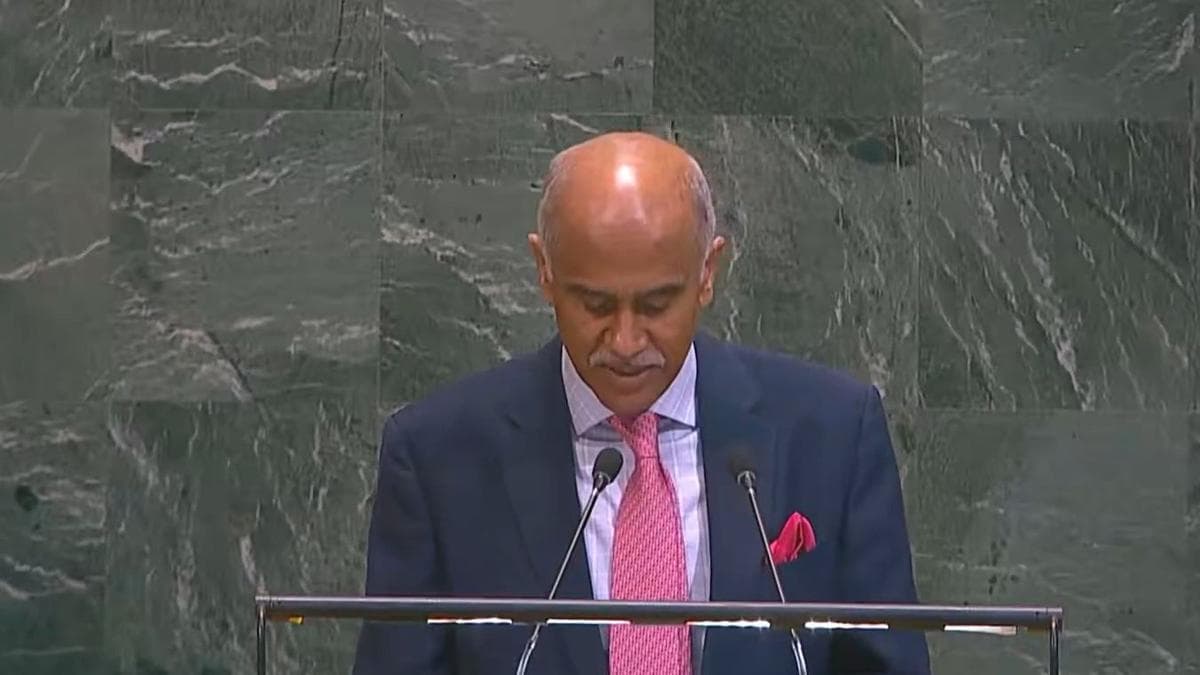
New Delhi has hit back at Islamabad for misusing the Security Council platform to push false narratives regarding the Union Territory of Jammu and Kashmir.
The floor of the United Nations General Assembly became the site of a sharp diplomatic exchange on Friday, June 5, 2026, as India issued a stinging rebuke to Pakistan. India’s Permanent Representative to the UN, Ambassador Parvathaneni Harish, did not mince words when responding to his Pakistani counterpart, Asim Iftikhar Ahmad, who had attempted to internationalize the issue of Jammu and Kashmir during a session focused on the annual report of the Security Council.
For India, the timing of Pakistan’s remarks was particularly galling given that Islamabad currently holds a non-permanent seat on the UN Security Council (UNSC). Ambassador Harish reminded the assembly that membership in this elite body is a "huge responsibility" that should be dedicated to global governance rather than the promotion of divisive, internal political agendas.
Maintaining the Status Quo
During his address, the Indian envoy underscored that Jammu and Kashmir "was, is, and will remain" an integral and inalienable part of India. He dismissed Pakistan's persistent attempts to raise the matter at international forums as nothing more than "empty rhetoric" and "hollow claims" that fail to align with historical realities.
New Delhi’s response comes as part of a long-standing pattern where India has consistently called out the misuse of UN platforms by Pakistan. Ambassador Harish noted that the circulation of misinformed communications by Pakistan during its current tenure on the council demonstrates a counter-productive approach, one that prioritizes the peddling of biased narratives over the functional responsibilities expected of a Security Council member.
The Case for Global Reform
Beyond the bilateral friction, the incident served to highlight the broader stagnation currently plaguing the UN’s primary decision-making organ. Ambassador Harish pointedly noted that the Security Council’s current structure remains trapped in the geopolitical realities of 1945.
He argued that the international community is increasingly aware that the status quo prevents the council from being "fit-for-purpose" when addressing modern global crises. By clinging to outdated structures, the council has struggled to function effectively—a failure that India believes necessitates urgent, comprehensive reforms to handle the challenges of the 21st century. As Pakistan’s term as a non-permanent member draws to a close later this year, New Delhi’s message served as a final, firm reminder that the council's mandate is meant to serve global stability rather than regional grievances.
The PoliticalPedia Editorial Desk brings verified, sourced political news and analysis from across India.