INDIA Bloc Strategy Summit: Delhi Meet Tests Opposition Cohesion Amidst Missing Faces
Opposition Strategy Summit: INDIA Bloc Meets in Delhi Amid Unity Questions and Key Absences
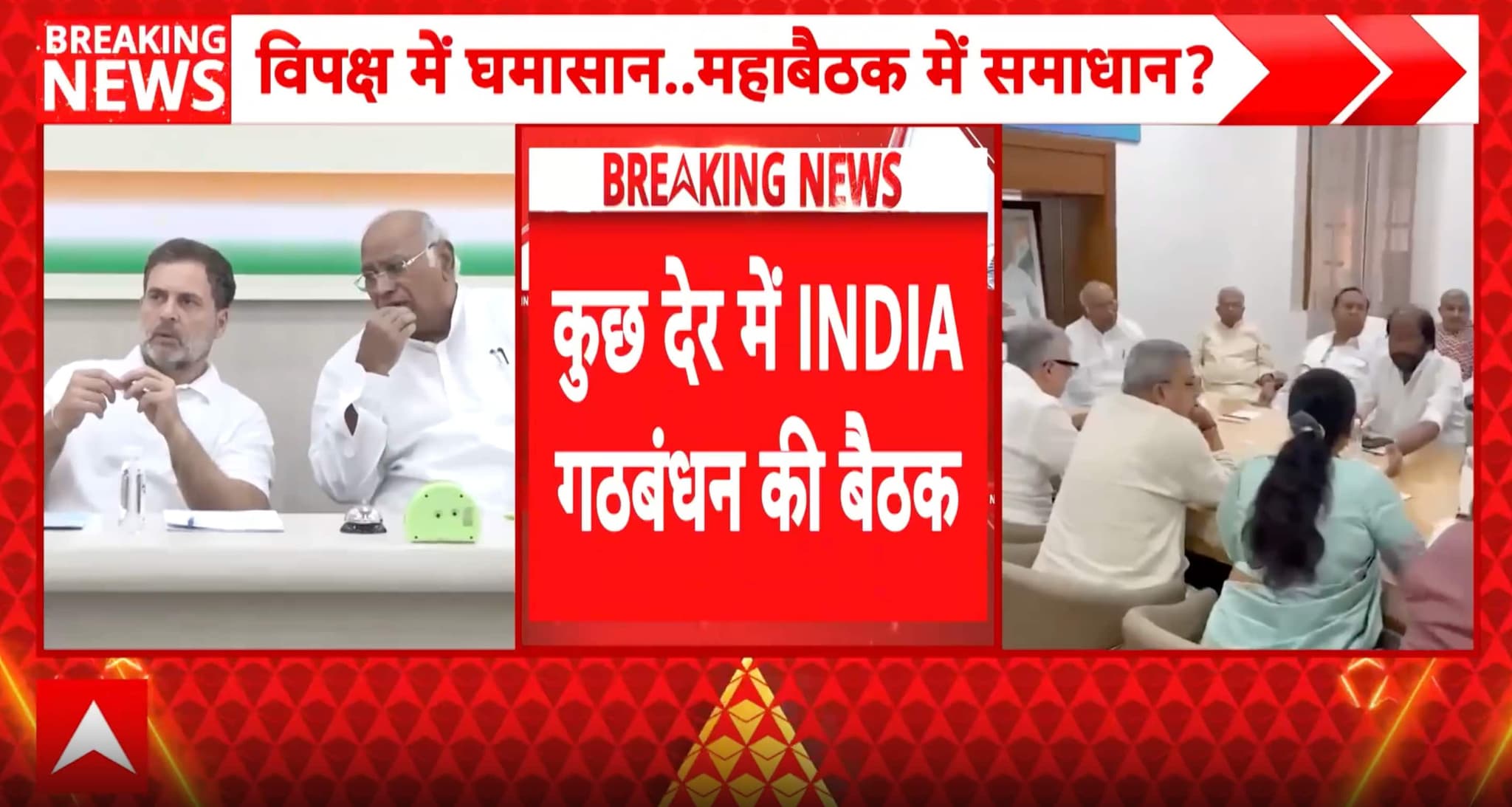
As 23 parties gather in the capital to recalibrate, the INDIA bloc faces a defining moment to prove if its anti-NDA agenda can survive internal friction and regional seat-sharing woes.
The corridors of power in New Delhi are buzzing again as the INDIA bloc meets in Delhi today, marking a high-stakes attempt to revive a coalition that has struggled to find its rhythm since the general elections. Chaired by Congress president Mallikarjun Kharge, this opposition strategy summit brings together heavyweights like Rahul Gandhi, Mamata Banerjee, Akhilesh Yadav, and Tejashwi Yadav. For a group that has spent months drifting, the primary goal is clear: transition from a loose collection of parties into a cohesive, issue-based force capable of challenging the ruling NDA’s political dominance.
Yet, the optics of the gathering are complicated by prominent key absences. While 23 parties have confirmed their presence, the empty chairs highlight the chronic "unity questions" that continue to plague the alliance. Disagreements over state-level political equations and the persistent failure to appoint a permanent, charismatic convenor have left the bloc looking more like a fragmented assembly than a unified front. From the DMK’s non-participation to the strategic distancing of newer entrants like Vijay’s TVK, the alliance is finding that bringing regional satraps to the same table is significantly easier than aligning their ground-level interests.
The Agenda: Beyond the Photo-Op
The meeting isn't just about presence; it is about survival. On the table is a roadmap for joint political campaigns and more robust parliamentary coordination. For months, the opposition has been accused of being reactive rather than proactive. Leaders are now expected to hammer out a framework for public outreach programs that go beyond the walls of the capital. The central challenge remains the same: how to build a national narrative when the partners are often fierce rivals in their own home turfs.
Historically, the INDIA bloc has been hamstrung by its inability to solve the "seat-sharing puzzle" in time for critical electoral battles. Each state brings a unique set of demands, and the lack of a centralized arbitration mechanism means that local leaders often prioritize their own party's growth over the alliance's collective health. With the NDA holding a firm grip on the national political landscape, the bloc is essentially attempting to rebuild its momentum while the clock is already ticking toward future electoral contests.
The Bigger Picture: Why It Matters
This gathering is a litmus test for the future of Indian opposition politics. If the bloc succeeds in presenting a unified, issue-based front, it could reset the narrative in Parliament. However, if these discussions dissolve into further squabbling over leadership or state-level dominance, it may signal that the alliance is destined to remain a temporary arrangement rather than a viable alternative. The pattern is clear: unless the INDIA bloc can move past the recurring cycle of "meeting and drifting," it risks losing the very relevance it is so desperate to reclaim. Whether this summit produces a concrete action plan or serves as another symbolic exercise remains the defining question for the Indian political landscape.
World Desk at PoliticalPedia covers global affairs for an Indian audience in English and Hindi.