INDIA Bloc Convenes in Delhi: 23 Parties to Chart Future Amid Internal Friction
INDIA bloc huddle in Delhi: TMC among 23 parties to attend June 8 meet — key agendas
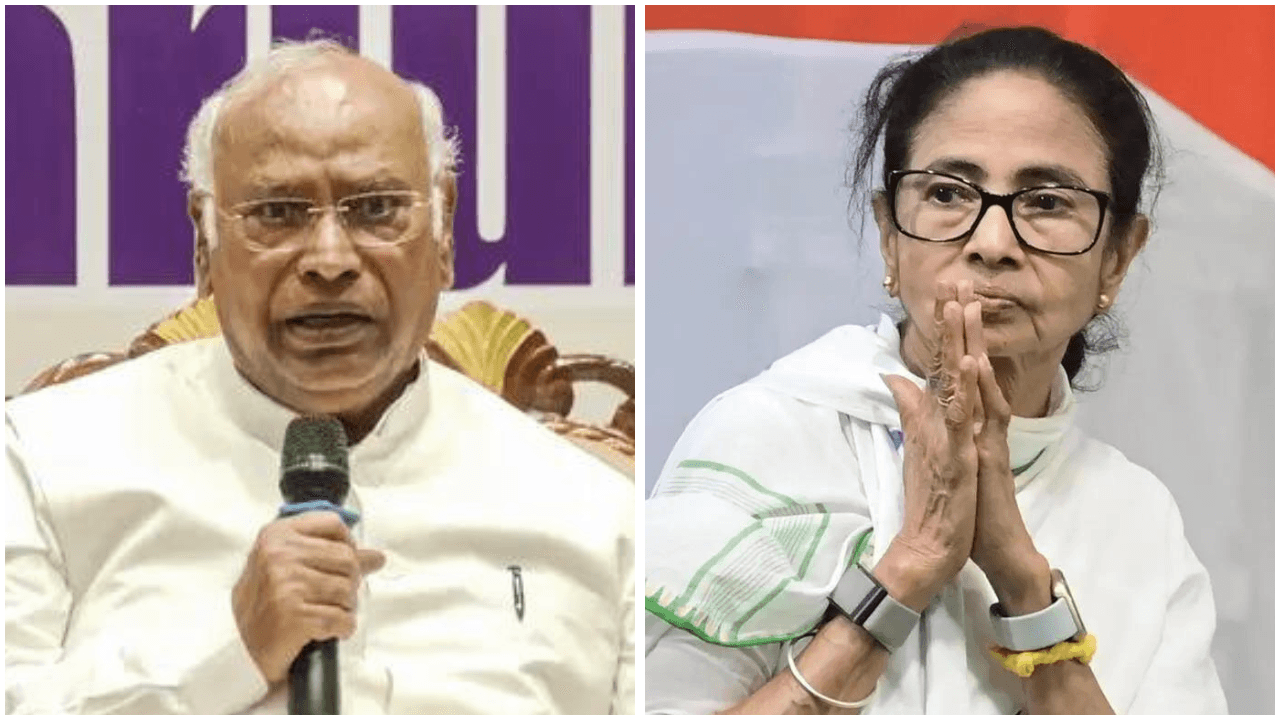
Opposition leaders gather at the Constitution Club on June 8 to address alliance cohesion following recent electoral setbacks and growing regional fissures.
The national capital is bracing for a high-stakes political gathering as the INDIA bloc prepares to huddle on June 8 to recalibrate its strategy. With 23 political parties confirming their participation, the meeting at the Constitution Club in Delhi represents a critical attempt by the opposition to project a united front. Congress general secretary Jairam Ramesh confirmed the attendance, emphasizing that the alliance, which he dubbed the "INDIA janbandhan," remains committed to its core objectives despite the challenges posed by recent Assembly election results.
TMC Presence and Key Leaders
The All India Trinamool Congress (TMC) has signaled a firm commitment to the coalition, with party chief Mamata Banerjee and national general secretary Abhishek Banerjee traveling to Delhi to participate in the deliberations. Derek O'Brien, a senior TMC Rajya Sabha MP, echoed the sentiment of camaraderie, framing the meeting as an exercise in "common purpose and clear intent." Other high-profile figures expected to grace the dais include Congress president Mallikarjun Kharge, Rahul Gandhi, Uddhav Thackeray, and Akhilesh Yadav, as the bloc attempts to move past the recent electoral hurdles that have tested the resolve of its constituents.
Strains and Notable Absences
While the turnout is significant, the meeting will be overshadowed by palpable cracks within the coalition. The Dravida Munnetra Kazhagam (DMK) is widely expected to skip the proceedings, marking a significant escalation in tensions between the Tamil Nadu-based party and the Congress. The friction stems from the Congress’s decision to offer support to the Tamilaga Vettri Kazhagam following the recent Assembly elections, a move the DMK has characterized as a betrayal of their pre-existing partnership. This regional rift underscores the broader difficulty the opposition faces in balancing local competitive interests with the national goal of maintaining a unified anti-BJP front.
The Agenda: Confronting the Centre
Although no formal agenda has been released, Jairam Ramesh provided a clear window into the opposition's grievances. He outlined a broad list of concerns, ranging from the alleged systemic weakening of the Constitution to the aggressive use of investigative agencies against political opponents. Ramesh further criticized the Centre over rising inflation, threats to public livelihoods, and a foreign policy stance that he claims undermines national interests. The meeting serves as a platform to streamline these grievances into a cohesive narrative, even as some factions remain notably absent from the table.
Context: The Challenge of Cohesion
This assembly comes at a precarious time for the INDIA bloc. The challenge for the leadership lies in reconciling the diverse regional aspirations of its members with the necessity of a singular national vision. As the coalition navigates this complex political landscape, the focus will likely remain on whether these 23 parties can move beyond individual grievances to forge a sustainable, long-term alliance. For voters and analysts alike, the outcomes of the June 8 meeting will serve as a bellwether for the opposition's ability to evolve from a loose gathering of parties into a functional electoral force.
The PoliticalPedia Editorial Desk brings verified, sourced political news and analysis from across India.