'If He Were A Foreigner, Rescue Would Have Been Faster': Allegations of Negligence After Sherpa Found Alive on Everest
'If He Were A Foreigner, Rescue Would've Been Faster': Family Of Sherpa Found Alive On Everest
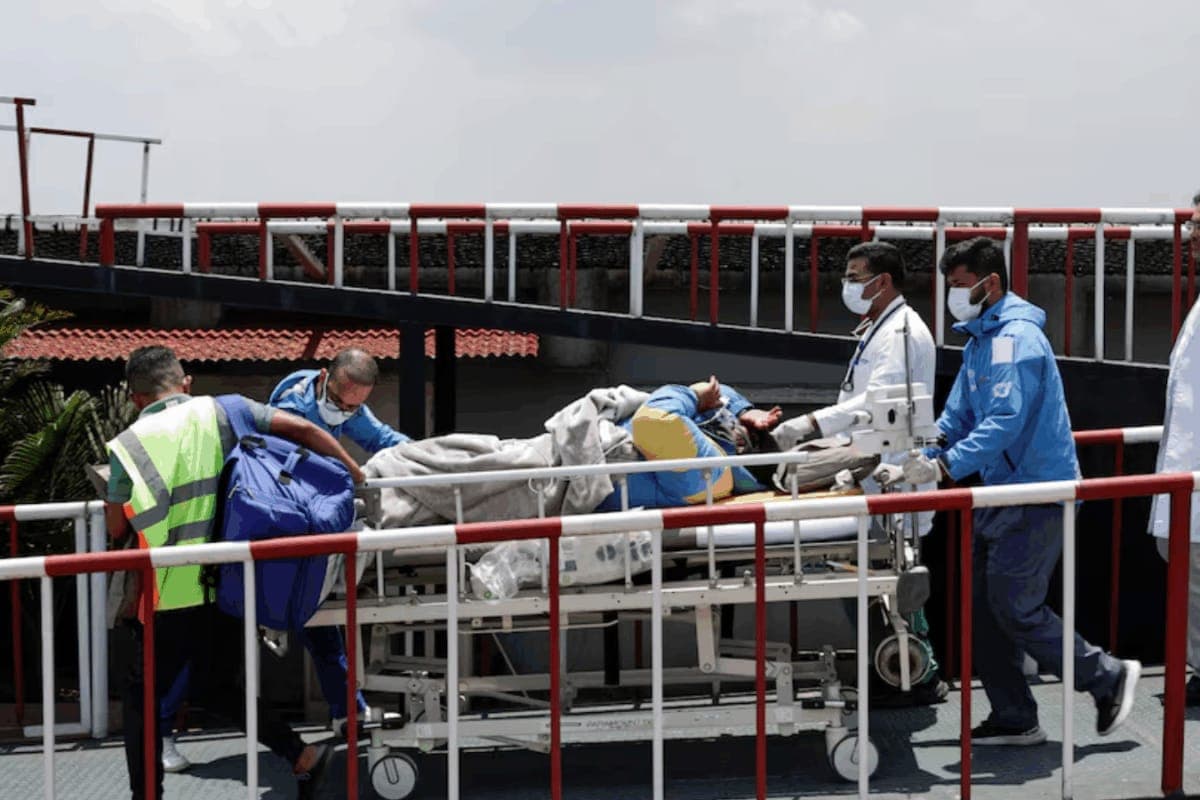
After spending nearly a week stranded in the 'death zone' of Mount Everest, 57-year-old Dawa Sherpa is recovering in Kathmandu as his family demands a probe into his employer’s delayed response.
Dawa Sherpa, a veteran guide, was discovered crawling through the snow near the Khumbu Icefall on Thursday, marking a miraculous end to a harrowing week lost on the world’s highest peak. While the mountaineering community celebrates the fact that he was found alive on Everest, the narrative has quickly shifted toward a bitter dispute over safety protocols and systemic inequality on the mountain. His family, currently at his bedside at HAMS Hospital in Kathmandu, insists that his survival was not due to the efforts of his employer, but rather his own sheer endurance.
A Question of Parity in High-Altitude Rescue
The family of the 57-year-old has officially filed a police complaint against the Kathmandu-based Himalayan Traverse company and lodged a formal grievance with Nepal’s Department of Tourism. Their primary contention is that the search operation was characterized by criminal negligence. Karma Gelje Sherpa, Dawa’s nephew, articulated a sentiment that has sparked intense debate within the climbing community: "If he had been a foreigner, rescue would have been faster." The family believes that the life of a Nepali guide is treated as expendable compared to that of international clients, a charge that highlights the long-standing tensions regarding the treatment of support staff in the high-stakes Everest climbing industry.
Dawa was last seen on May 29 near the Yellow Band, an area situated above Camp 3 at an altitude of approximately 7,200 metres. While the climbing season was winding down and infrastructure was being dismantled, two foreign climbers who had been in his party managed to reach Base Camp without him. Reports indicate that at least 19 hours were spent in the "death zone" before the reality of his disappearance prompted discussions among those on the mountain. British climber Chris Thrall, who was involved in the descent, noted the complexity of the situation, mentioning his own engagement in assisting another climber suffering from severe frostbite during the same period.
The Physical and Legal Fallout
Medically, Dawa is currently in stable condition, though he is battling the severe aftermath of his ordeal, including frostbite, acute dehydration, and complications related to his thighs from his arduous crawl. The hospital staff are managing his recovery, but the legal battle is just beginning. By bringing the case to the Department of Tourism, the family is attempting to force a reckoning with how trekking agencies prioritize search and rescue operations when a local employee goes missing.
The incident underscores the precarious nature of the Everest support system. While international climbers often have comprehensive insurance and immediate advocacy, local Sherpas frequently navigate the mountain's perils with significantly less institutional support. As the industry faces scrutiny, the outcome of the complaint filed by the family of the Sherpa found alive on Everest could set a critical precedent for accountability in future mountaineering seasons.
The PoliticalPedia Editorial Desk brings verified, sourced political news and analysis from across India.