Pentagon Raises Threat Level as Israeli Spying on US Iran Negotiators Reaches 'Critical' Status
Israel spied on US negotiators working on Iran plan; espionage threat raised to 'critical' levels: Report
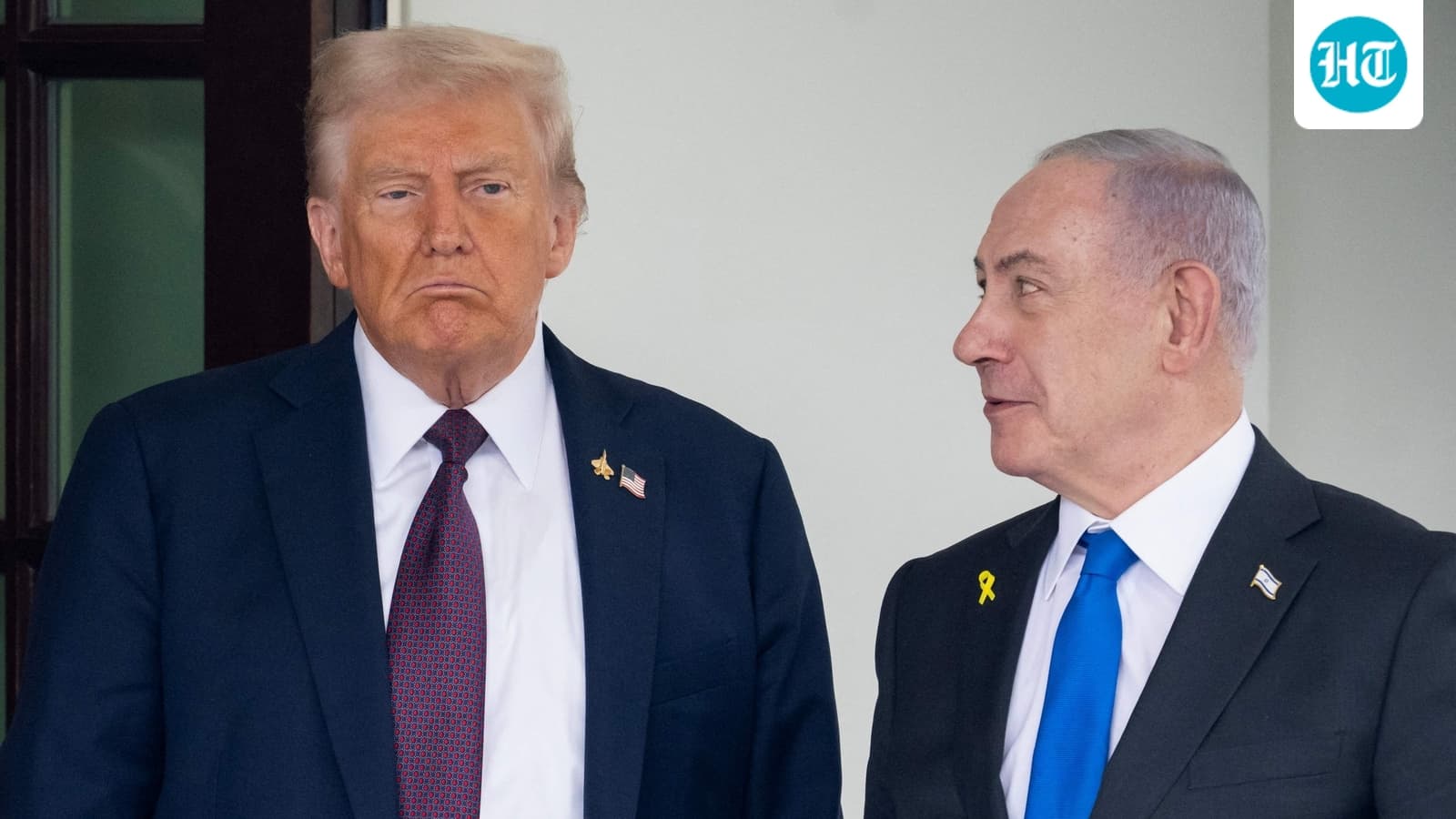
Intelligence assessments indicate that surveillance efforts by Israel against American officials involved in sensitive Iran peace talks have escalated to the highest security tier.
The Pentagon has officially upgraded the counterintelligence threat posed by Israel to "critical," the highest possible level, following reports that Israeli intelligence agencies have intensified surveillance on senior American negotiators. While intelligence-sharing between Washington and Tel Aviv is a cornerstone of their long-standing alliance, the recent scope of Israeli operations—specifically targeting those crafting peace strategies regarding Iran—is being viewed by U.S. officials as a significant departure from established norms.
According to a report initially detailed by The New York Times, the surveillance has specifically targeted key figures such as Steve Witkoff, the U.S. President’s top envoy for the Iran conflict, alongside Undersecretary of War for Policy Elbridge A. Colby and Deputy Assistant Secretary of War Michael P. DiMino IV. While the Pentagon has declined to provide an official statement on the matter, the assessment reflects a growing internal consensus that Israeli spying activities have crossed a red line that threatens to undermine U.S. diplomatic autonomy.
Intelligence Friction Amid Shifting Alliances
The israeli effort to monitor U.S. positions appears aimed at gaining granular insights into the evolving strategies of the Trump administration as it seeks to broker a peace deal to end the ongoing war with Iran. This escalation comes at a precarious moment; while the U.S. remains a primary military benefactor and operational partner to Tel Aviv, public friction between the White House and Prime Minister Benjamin Netanyahu has been mounting, notably regarding military conduct and strategic objectives.
For years, the intelligence relationship between the two nations has been characterized by a mutual—if often uncomfortable—tolerance of espionage. However, the move to "critical" status indicates that the current breadth of surveillance is no longer being viewed as a routine byproduct of deep cooperation. Sources suggest that if this trend continues, the U.S. may be forced to impose stringent restrictions on information-sharing protocols between the Pentagon and its Israeli counterparts to protect sensitive diplomatic channels.
Strategic Implications for the Middle East
The tension surrounding these reports adds a new layer of complexity to the broader regional conflict. As the U.S. attempts to facilitate a breakthrough in the Iran negotiations, the fear is that leaked intelligence could compromise the neutrality of American mediators. The threat level adjustment serves as a clear signal that the U.S. is prioritizing the security of its internal deliberations over the traditional transparency usually afforded to its closest regional ally.
While the White House has previously dismissed reports of fractured relations as false, the classification of the current intelligence climate as "critical" suggests that officials are taking the risk seriously behind closed doors. Whether this diplomatic cold spell will lead to a broader restructuring of the U.S.-Israel military partnership remains to be seen, but the current atmosphere underscores the intense pressure surrounding the ongoing efforts to stabilize the Middle East.
The PoliticalPedia Editorial Desk brings verified, sourced political news and analysis from across India.