Pakistan’s Interior Minister Mohsin Naqvi Lands in Tehran for Third Diplomatic Push Amid US-Iran Tensions
Pakistan Interior Minister visits Tehran for third time in weeks amid U.S.-Iran tensions
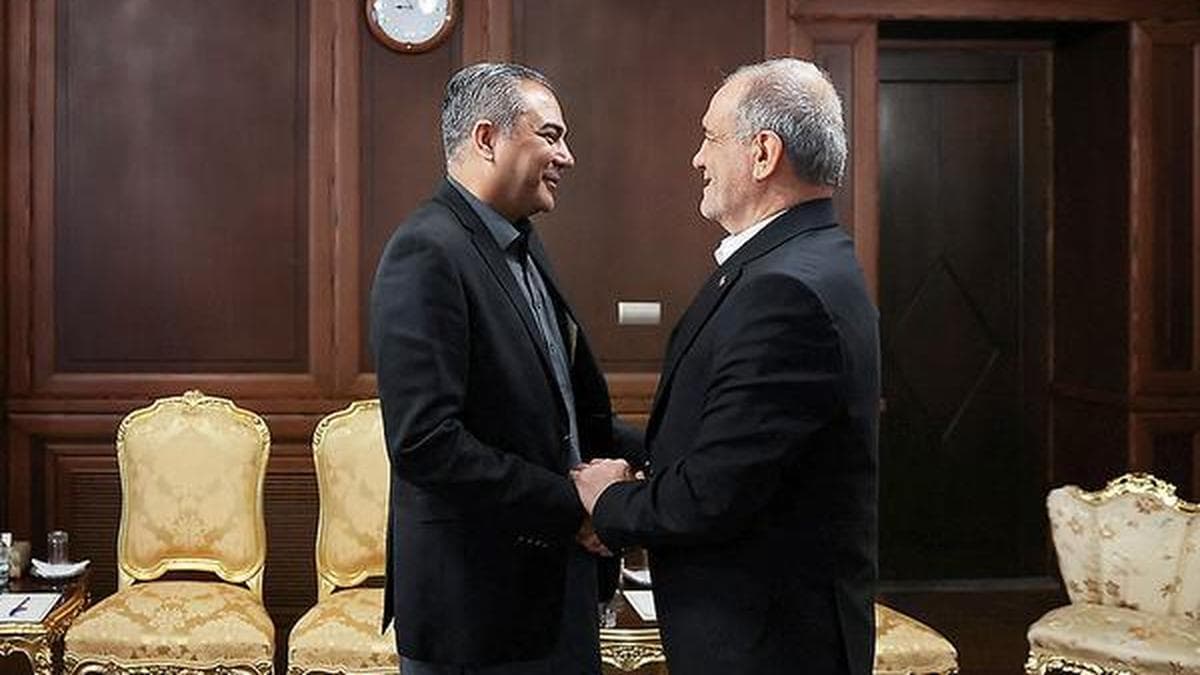
As regional instability threatens global trade and energy markets, Islamabad intensifies its efforts to act as a crucial bridge between Washington and Tehran.
Pakistan’s Interior Minister Mohsin Naqvi arrived in Tehran on Saturday for his third visit in recent weeks, marking a significant escalation in Islamabad’s diplomatic efforts to de-escalate rising tensions between the United States and Iran. Received by his Iranian counterpart, Eskandar Momeni, the minister’s arrival comes at a precarious time for West Asian security, with the international community closely watching if the fragile ceasefire established in April can hold against renewed friction.
The visit, which follows a string of high-level engagements, was preceded by a final, private briefing between Mr. Naqvi and Prime Minister Shehbaz Sharif. According to an official statement from the Prime Minister’s Office, the two leaders reviewed the security landscape and discussed the specific mandates for the Tehran trip. Prior to his departure, Mr. Naqvi also leveraged the Shanghai Cooperation Organisation summit in Bishkek to hold preliminary discussions with Momeni, ensuring that the dialogue between the two neighbours remains fluid and prioritised.
A Fragile Diplomatic Landscape
The urgency of these talks stems from a volatile cycle of conflict that began on February 28, when coordinated attacks by the U.S. and Israel on Iranian targets triggered a series of retaliatory measures from Tehran. While a ceasefire brokered on April 8 provided a temporary respite, the situation remains highly unstable. Global energy markets and shipping routes continue to reel from the aftershocks of the confrontation, making Pakistan’s role as an intermediary increasingly vital for regional economic stability.
The Limits of Mediation
Despite Pakistan’s active role in facilitating back-channel communications, the path to a lasting deal remains obstructed. Islamabad successfully hosted direct, face-to-face talks between American and Iranian representatives in April, yet those negotiations concluded without a breakthrough. The current impasse highlights the daunting challenges of balancing the conflicting geopolitical interests of two major powers. While Russia has recently signaled support for India to potentially join the mediation effort, Pakistan continues to operate as the primary conduit for message exchanges.
The diplomatic mission is unfolding against a backdrop of domestic security concerns for Islamabad. Beyond the international mediation, the Prime Minister’s Office emphasised that the government remains focused on strengthening internal measures to maintain national security and protect citizens from the spillover effects of regional unrest. As Mr. Naqvi prepares for further rounds of dialogue with Iranian Foreign Minister Abbas Araghchi, all eyes will be on whether this third visit can produce the necessary compromise to prevent a return to active hostilities.
The PoliticalPedia Editorial Desk brings verified, sourced political news and analysis from across India.