‘I Was Just Being Cute’: Trump Clarifies Viral ‘I’m The Boss’ Remark At G7 Summit
'I Was Just Being Cute': Trump Says His 'I'm The Boss' Remark At G7 Summit Was A 'Joke'
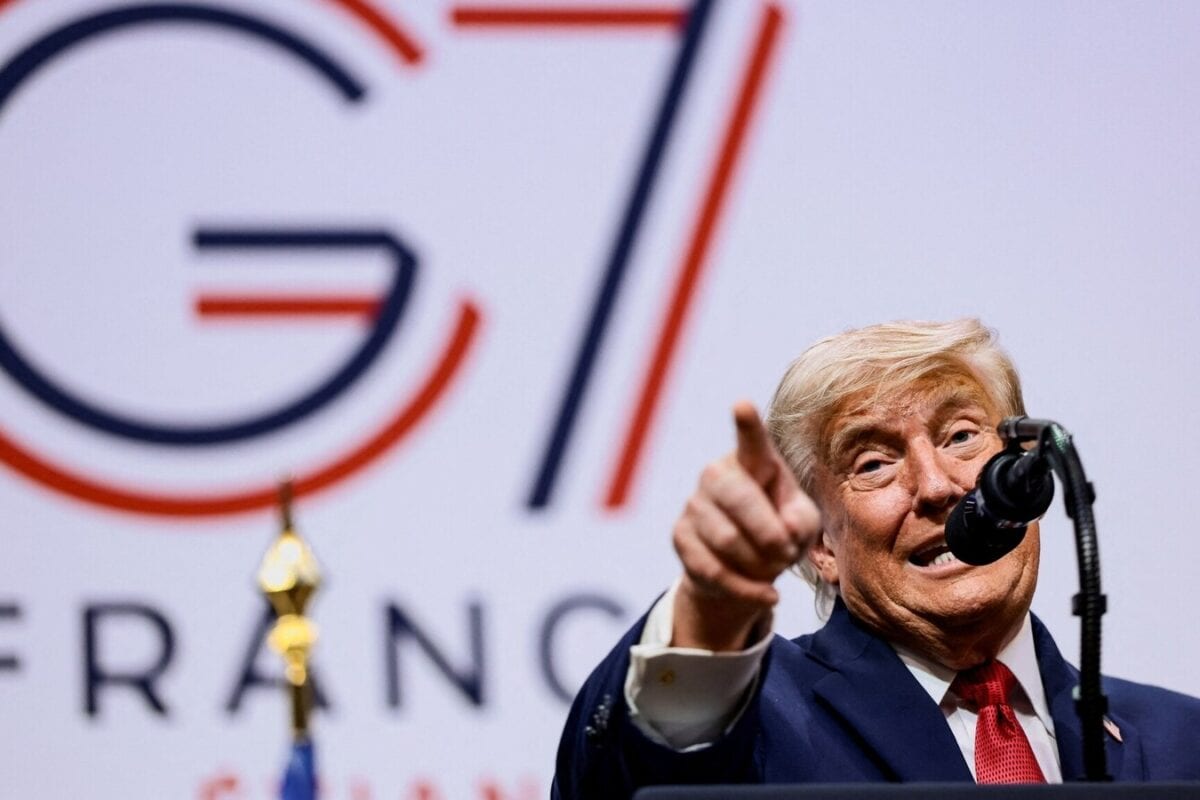
The U.S. President moves to deflate the controversy surrounding his late entrance in France, dismissing his headline-grabbing comment as nothing more than a light-hearted joke.
The G7 summit in France was expected to be a serious dialogue on global trade and the future of technology, but it was a moment of levity—or perhaps, calculated audacity—that dominated the news cycle. Arriving nearly an hour behind schedule, U.S. President Donald Trump swaggered into the meeting hall and, surveying the long table of assembled heads of state, declared, "I’m the boss." The remark triggered a flurry of international debate, with many questioning whether the statement was a genuine display of ego or a diplomatic gaffe.
In a candid interview with Axios, Trump sought to clear the air, insisting that his comment was never intended to be a serious assertion of authority. "I was just being cute," he explained, noting that the "perfect podium-type set-up" of the room and the long table inspired the quip. When asked by his interviewer how many of the world leaders actually believed he was the boss, the President quipped, "All of them," before immediately pivoting back to his defense: "But I was just being funny. I wasn’t trying to be the boss."
The Weight of the Room
The footage of the entrance, which quickly went viral, shows the room erupting in chuckles. To the casual observer, it was a moment of theater, but the global reaction suggested a deeper sensitivity toward Trump’s personality and his unconventional approach to diplomacy. For a leader who has often defined his presidency through a "tough guy" brand, the joke carried the weight of his reputation, turning a simple, off-the-cuff remark into a topic of analysis across international news desks.
The President appeared genuinely surprised by the longevity of the story. During the interview, he expressed disbelief that the line had been carried "all over the world," maintaining that his interaction with the other heads of state was rooted in humor rather than a power play. Whether the leaders at the table took the remark at face value or recognized the intended sarcasm, the incident highlights the fine line between personal brand-building and formal statecraft.
Why It Matters
This incident serves as a classic study in the modern-day "Trump style" of communication, where the barrier between a private joke and a public policy signal is intentionally blurred. For global markets and international relations, such ambiguity creates a challenge: distinguishing between a genuine shift in diplomatic stance and mere performance art.
Ultimately, this episode underscores the hyper-scrutiny placed on every gesture made by world leaders in the current geopolitical climate. While the President frames it as a harmless, "cute" moment, the global response reflects a broader, palpable unease regarding the stability of international alliances. In an era where a single soundbite can travel across the globe in seconds, the cost of being "funny" on the world stage is rarely just a few laughs—it is often a week of intense, often polarized, public debate.
Rohan Gupta covers the economy, markets and companies for PoliticalPedia.