Fragile Truce Shatters: At Least 5 Killed As Israel Strikes Lebanon Despite Ceasefire With Hezbollah
5 Killed As Israel Strikes Lebanon Despite Ceasefire With Hezbollah
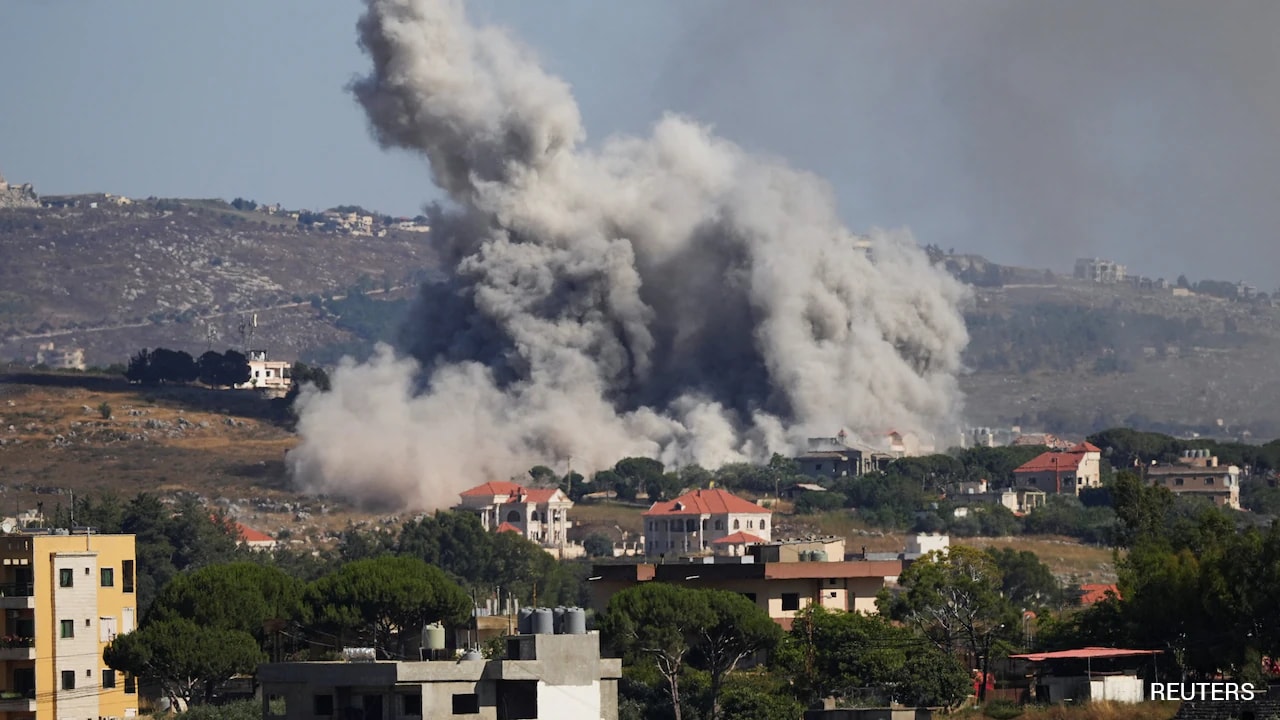
Fresh aerial bombardments in southern Lebanon have left at least five dead, casting a long shadow over the stability of the recently brokered ceasefire agreement.
The ink on the US-brokered deal had barely dried before the rumble of war returned to southern Lebanon. Despite a ceasefire agreement meant to halt the hostilities between Israel and Hezbollah, the region remains trapped in a cycle of violence. Reports from the ground confirm that Israeli warplanes and drones have executed a series of targeted strikes across Nabatieh, resulting in at least five deaths and forcing new displacement orders for local civilians.
The tactical situation on the ground remains volatile. While the broader diplomatic framework aimed to de-escalate the conflict, the reality on the front lines tells a different story. Reports indicate that while the agreement was intended to silence the guns, the IDF has continued to conduct operations, and there are even accounts of explosive drone attacks originating from southern combat zones that have left several Israeli soldiers injured.
A Diplomatic Deal Under Fire
The current escalation raises serious questions about the durability of the ceasefire. International observers, including agencies like Al Jazeera, have noted that the situation is far from settled, with Tehran expressing skepticism regarding the long-term viability of the deal. The breakdown of scheduled talks in Switzerland has further complicated the atmosphere, leaving the ceasefire in a precarious state where a single miscalculation on either side could trigger a full-scale return to open warfare.
The human cost continues to mount as the local population remains caught in the crossfire. With the issuance of fresh displacement orders, the humanitarian crisis in the south is deepening. For families living in the border villages, the ceasefire has brought little respite, as the fear of fresh strikes persists even when the skies appear quiet.
Why it matters: The bigger picture
This latest flare-up highlights the fundamental fragility of Middle East diplomacy when it relies on high-level agreements that struggle to penetrate the ground reality. The pattern here is clear: military objectives are currently operating on a different timeline than diplomatic ones. For investors and global markets, this represents a persistent "geopolitical risk premium." As long as the ceasefire remains more of a suggestion than a rule, the potential for a wider regional contagion persists, keeping oil prices and supply chain stability on a razor's edge.
The disconnect between the political rhetoric of a peace deal and the kinetic reality of drone strikes and artillery fire suggests that the underlying grievances remain unaddressed. Without a robust mechanism to monitor and enforce the cessation of hostilities on both sides, the status quo will likely continue to be one of "managed conflict" rather than genuine peace. Until both parties find a way to align their tactical operations with their declared diplomatic commitments, the region remains one spark away from an uncontrollable inferno.
Rohan Gupta covers the economy, markets and companies for PoliticalPedia.