How a 6.30 am ‘Market Guru’ Scam Cost an IT Professional Rs 4.43 Crore
How 6.30 am tutorials by ‘market guru’ cost IT professional Rs 4.43 crore in trading fraud
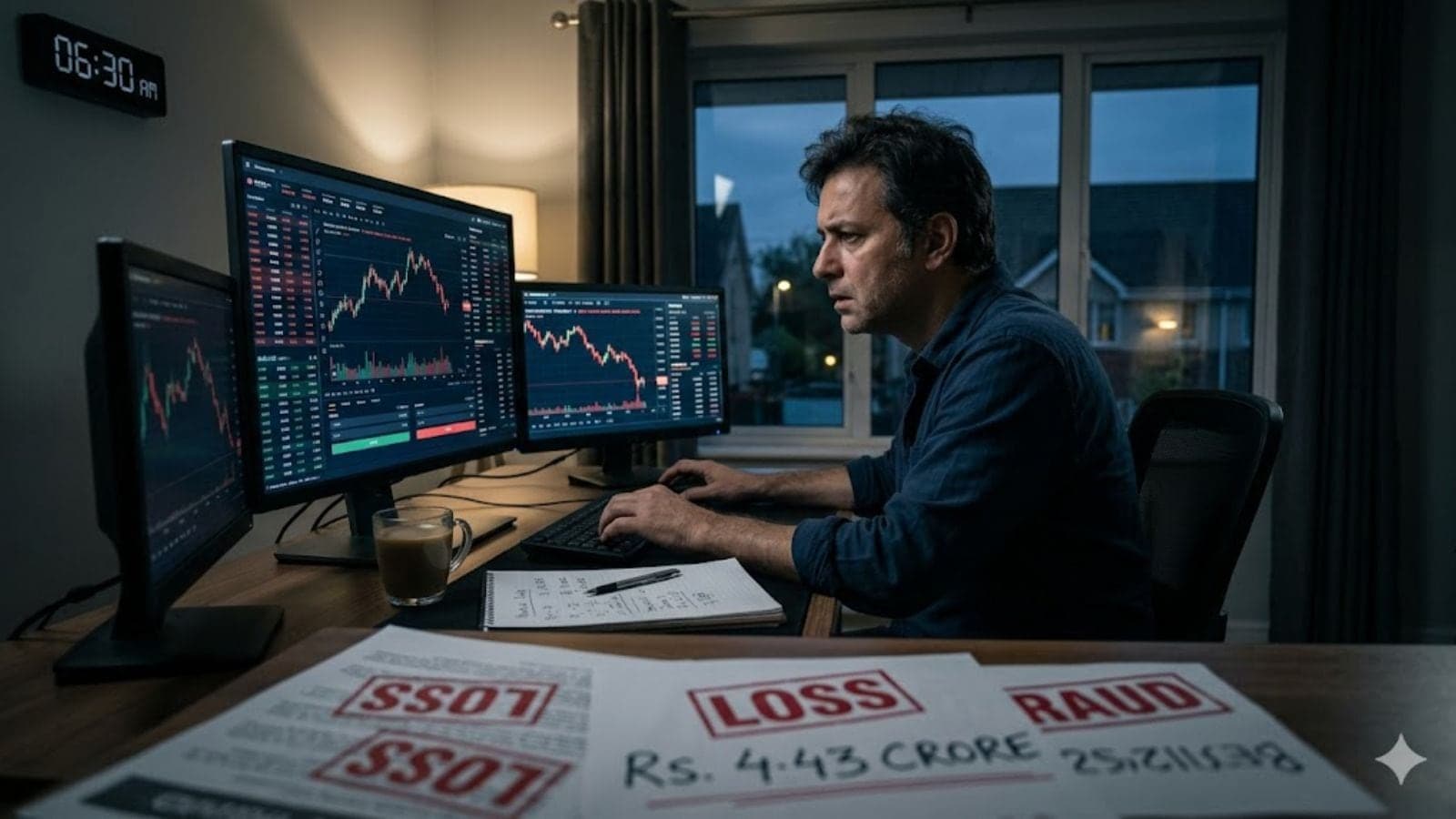
A Pimple Saudagar-based techie lost his life savings after falling for a sophisticated WhatsApp trading trap that promised exponential returns through fake digital dashboards.
The digital landscape has become a hunting ground for sophisticated financial criminals, as evidenced by a recent case in Pimpri Chinchwad where a 46-year-old IT professional was defrauded of Rs 4.43 crore. The victim, lured by a social media advertisement, was added to a WhatsApp group that masqueraded as an elite stock market advisory forum. To establish credibility, the operators went as far as adopting the name of a London-headquartered international bank, effectively weaponizing institutional trust to deceive the unsuspecting investor.
The Mechanics of the Fraud
The operation was built on a routine that preyed on the victim’s discipline. Every morning at 6.30 am, members were expected to attend online tutorials conducted by a woman who identified herself as "Maira," a supposed expert "market guru." These sessions were bolstered by regular investment tips and fabricated screenshots from other participants, which collectively created the illusion of a thriving, profitable community.
Under the guidance of the group administrators, the complainant downloaded a proprietary trading application. Once his account was active, the app began displaying a steady, artificial rise in the value of his portfolio. Encouraged by what he perceived as the snowball effect of compound interest—a concept often used to lure investors into believing their wealth is multiplying rapidly—the victim transferred money across 34 separate transactions. In total, Rs 4.43 crore was funneled into at least a dozen different mule accounts located across India.
The Breaking Point
The façade only shattered when the victim attempted to withdraw his purported gains, which the application claimed had reached Rs 26.64 crore. Instead of receiving his funds, he was met with demands for additional payments under various pretexts—a common tactic used to squeeze final amounts from victims before the fraudsters vanish. Realizing he had been duped, he approached the Pimpri Chinchwad cybercrime police. Senior Inspector Ravikiran Nale is currently leading the investigation, tracking the flow of funds through the network of mule accounts.
Cybercrime experts warn that this is part of a growing trend where criminals use encrypted messaging platforms like WhatsApp and Telegram to build long-term relationships with victims. By utilizing fake trading interfaces that look indistinguishable from legitimate platforms, these syndicates manipulate victims into transferring large sums before the account is eventually locked or the group is deleted. Authorities continue to stress that investors must verify if a trading platform or advisor is registered with national regulatory bodies before initiating any transactions, as the promise of high-return, low-risk stock tips is almost always a red flag for illicit activity.
The PoliticalPedia Editorial Desk brings verified, sourced political news and analysis from across India.