Jeff Bezos Labels NYC Housing Crisis a Policy Failure, Dismisses Airbnb Scapegoating
Jeff Bezos wants people to stop blaming Airbnb for high rents in New York city
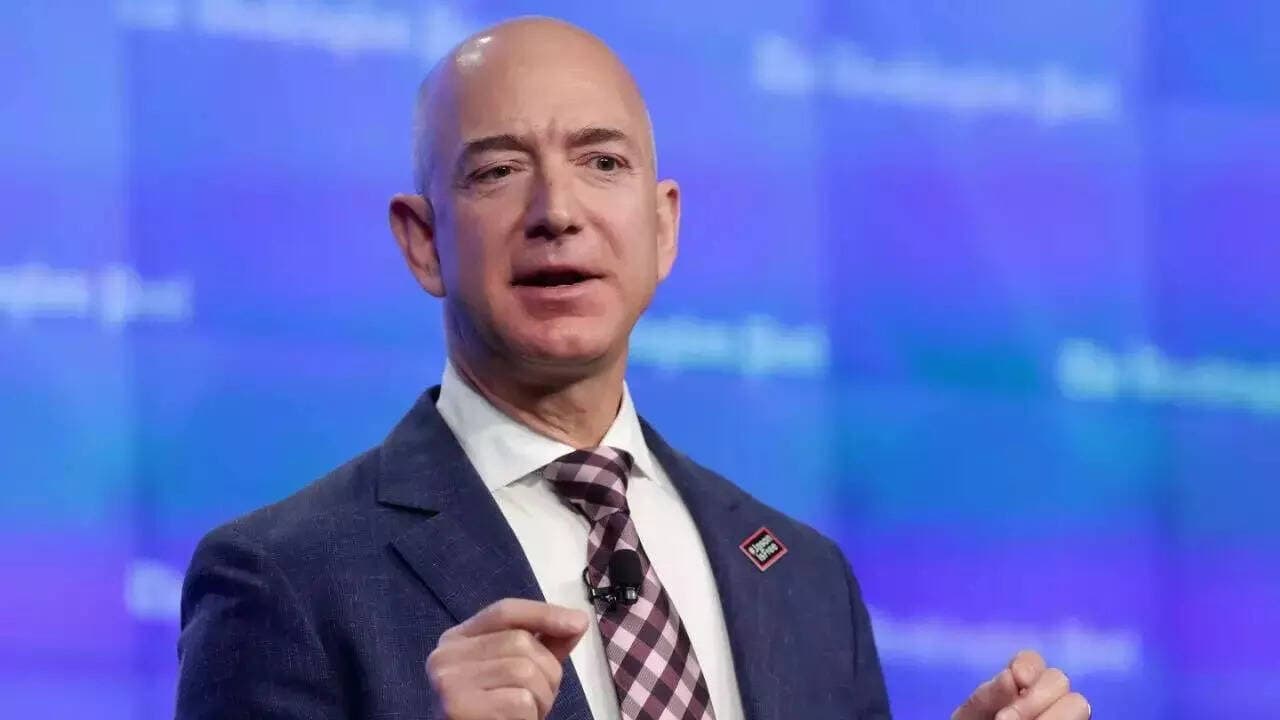
The Amazon founder argues that restrictive zoning and permitting, rather than short-term rental platforms, are the primary drivers of sky-high costs in New York.
Amazon founder Jeff Bezos has waded into the contentious debate surrounding the cost of living in New York, rejecting the popular narrative that platforms like Airbnb are to blame for the city's exorbitant rents. During a recent appearance on CNBC’s Squawk Box, Bezos pointed toward fundamental economic principles, arguing that the crisis is a direct result of government intervention rather than the rise of the gig economy.
The Case Against Scapegoating
Bezos was direct in his assessment, noting that New York City has already implemented severe restrictions on short-term rentals, yet the relief many expected has failed to materialize. "Airbnb is not the cause of expensive rent," Bezos said, highlighting that even with the platform effectively outlawed in certain capacities, the city’s residential costs remain at historic highs. By his logic, the continued persistence of high prices despite these regulatory shifts proves that the source of the problem lies elsewhere.
Supply and Demand Constraints
The core of the issue, according to Bezos, is a classic mismatch of supply and demand exacerbated by bureaucratic hurdles. He argued that while government policies often subsidize demand through tax incentives, they simultaneously choke the supply side through restrictive zoning and agonizingly slow permitting processes. "If you want rents to come down, econ 101—really simple," he noted. "You can’t sort of subsidize demand and constrain supply. If you do, prices are going to skyrocket."
Beyond Housing: A Critique of Crony Capitalism
The conversation expanded beyond urban real estate, with Bezos voicing broader frustrations regarding the American economic landscape. He sharply criticized the prevalence of "corporate welfare," arguing that the current tax code often favors specific industries through special provisions. Labeling these practices as "crony capitalism," he suggested that such government meddling creates distortions that hurt the economy at large. He drew a sharp parallel between the inefficiency of government-run systems and the private sector, jokingly remarking that if Amazon operated with the same administrative pace as the New York City school system, customer deliveries would take weeks to arrive.
A Broader Economic Context
The billionaire’s comments arrive at a time of intense national scrutiny regarding wealth inequality and the role of the ultra-wealthy in society. While some political figures, such as Representative Pramila Jayapal, have pointed to the influence of billionaires as the root of economic instability, Bezos’s stance places the responsibility squarely on the shoulders of systemic policy decisions. As urban centers globally struggle with housing affordability—evidenced by recent protests against mass tourism in places like Mexico—the debate over whether to regulate platforms or reform construction bureaucracy remains a central pillar of modern economic discourse.
The PoliticalPedia Editorial Desk brings verified, sourced political news and analysis from across India.