Honoring Mumbai’s Lifelines: GMLR Tunnel Boring Machines to be Named After Tulsi and Vihar Lakes
Mumbai’s GMLR tunnel borers to be named after the city’s oldest lakes — Tulsi and Vihar
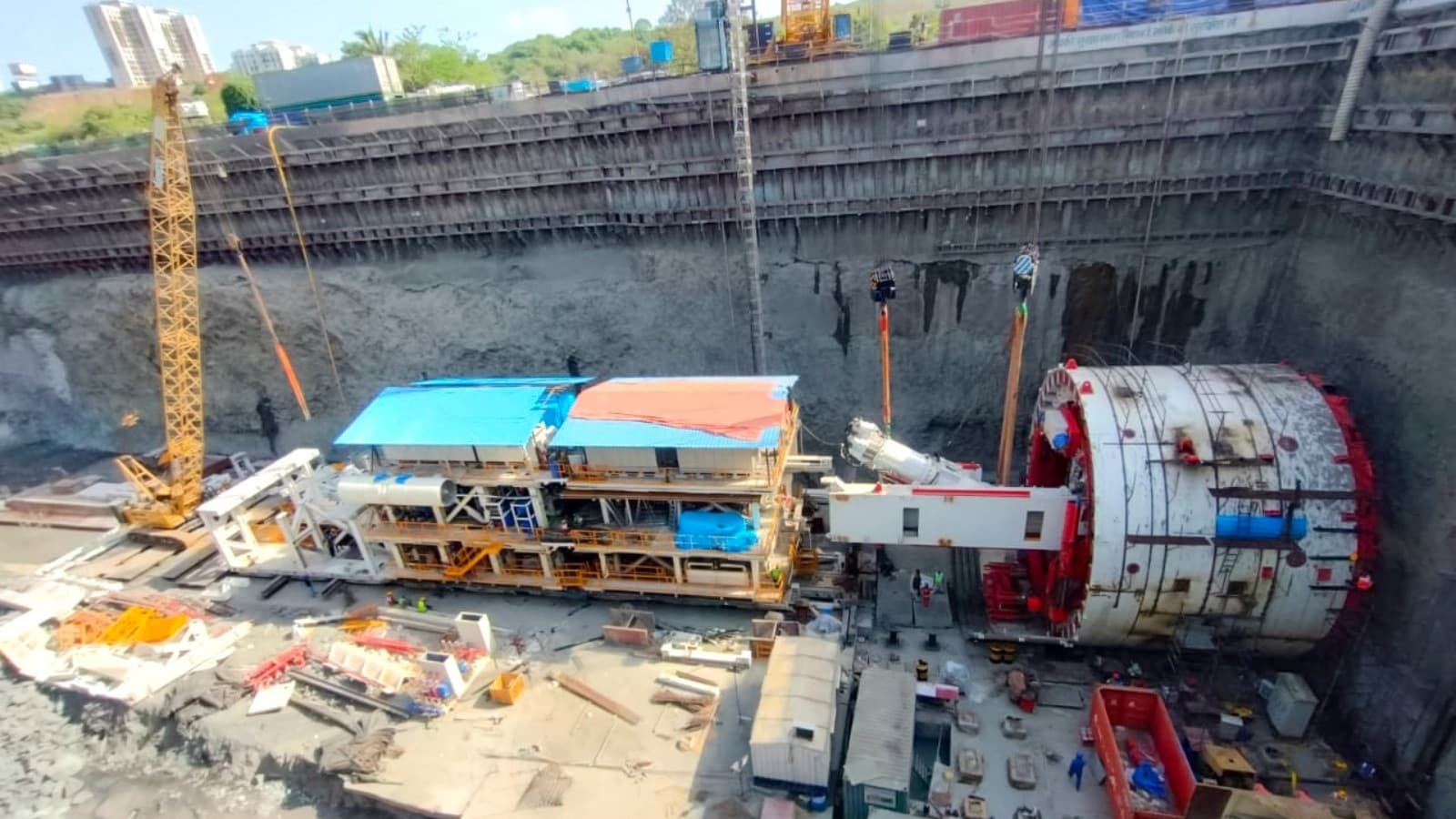
The Brihanmumbai Municipal Corporation plans to christen the two massive tunnel boring machines for the GMLR project after the city’s historic reservoirs, Tulsi and Vihar.
As Mumbai prepares for the engineering marvel that is the Goregaon-Mulund Link Road (GMLR), the Brihanmumbai Municipal Corporation (BMC) has decided to pay homage to the city’s historic water infrastructure. The two Tunnel Boring Machines (TBMs) responsible for carving out the project’s 6.65-km-long twin tunnels will be named after Tulsi and Vihar, the oldest man-made lakes that have sustained the city for over a century.
Connecting the East and West
The 12.20-km GMLR project is a critical addition to Mumbai’s infrastructure, designed to serve as an alternative east-west corridor connecting the Western Express Highway in Goregaon to the Eastern Express Highway in Mulund. While the project includes various phases—ranging from elevated flyovers to complex clover-leaf rotaries—the twin tunnels remain the most challenging and essential segment. These tunnels will burrow deep beneath the Sanjay Gandhi National Park (SGNP), navigating a complex topography of forests and hillocks located just a kilometer away from the two water bodies.
According to senior BMC officials, the decision to name the TBMs reflects the proximity of the drilling path to these landmarks. The machine handling the northern tunnel, which runs parallel to Tulsi lake, is set to bear its name, while the southern machine will be christened Vihar. By selecting these names, the civic body aims to bridge the city's modern expansion with its long-standing history of water management.
A Legacy of Engineering
The choice of names serves as a reminder of how the city’s growth has been tethered to its water supply. Vihar Lake, commissioned in 1860, represents a turning point in colonial Bombay’s history. Historian Dr. Madhu Kelkar notes that before these lakes were established, the city relied primarily on localized tanks and wells. However, the rapid population boom following 1845 created an urgent need for an external water source, forcing engineers to look beyond the island city’s limits.
The construction of Vihar between 1856 and 1860 was an engineering milestone, yet it was only the beginning of a larger effort to quench the city’s growing thirst. As the BMC embarks on the GMLR tunnels, the naming of these machines acknowledges the enduring significance of these reservoirs, which remain vital components of the city’s potable water network today. By threading the new tunnels through the same landscape that houses these historic lakes, the project literally navigates the bedrock of Mumbai’s survival.
The PoliticalPedia Editorial Desk brings verified, sourced political news and analysis from across India.