Hauz Rani Fire: A Deadly Blueprint of Delhi’s Unregulated Urban Growth
Delhi hotel fire: Punished for a guilty system
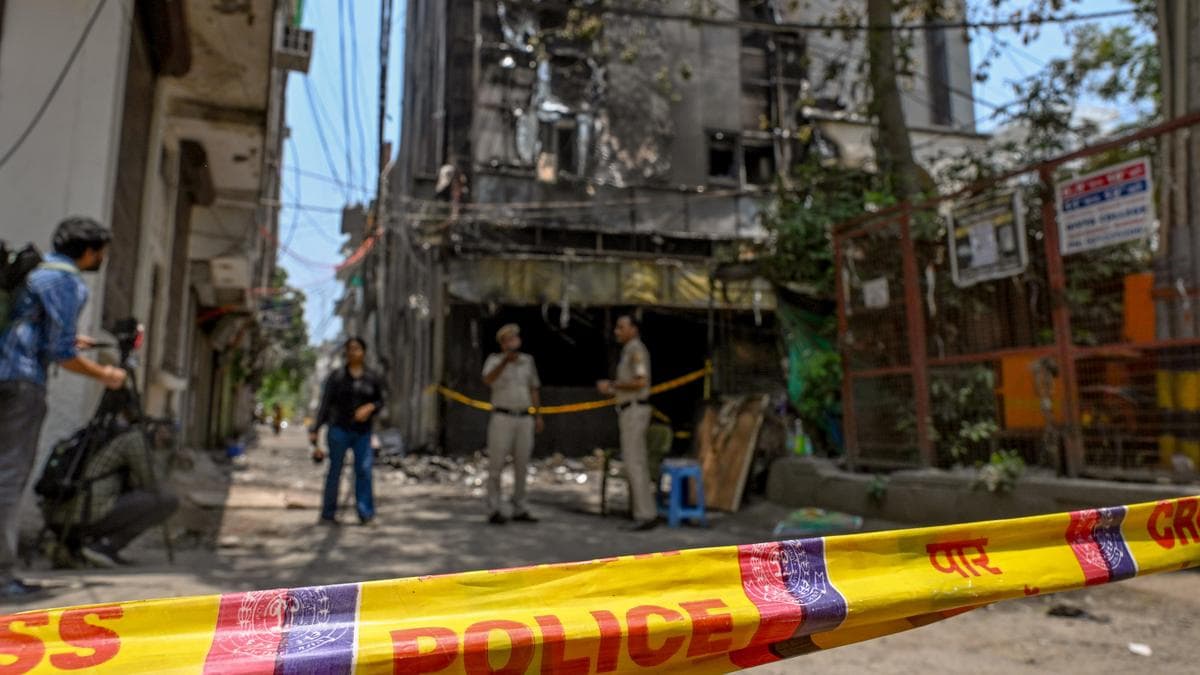
The tragic blaze at a South Delhi bed-and-breakfast has exposed a systemic failure where safety protocols are consistently sacrificed for commercial expansion.
By noon on June 3, the acrid scent of smoke still lingered over Hauz Rani, a historic urban village where the charred remains of the ‘Flourish Stay’ serve as a grim monument to regulatory negligence. What began as a routine morning at 8:30 AM turned into a life-threatening ordeal for those inside the six-storeyed building. Fire officials reported that at least 49 people were rescued from the premises, though the struggle to escape was exacerbated by a lack of emergency exits and terrace doors that remained firmly locked.
The disaster has ignited a fierce debate about the safety standards governing Delhi’s hospitality sector. Critics and activists have pointed to a recurring pattern of negligence, arguing that a system designed to profit from tragedy allows such hazards to persist. The structure of the building itself proved to be a death trap; investigators noted that the glass façade hindered rescue operations, while electronic door locks failed to function once the power was cut during the blaze.
The Geography of Neglect
Hauz Rani sits in a precarious position within the national capital. Classified under the lal dora—a legacy land designation that exempts village habitations from standard building layout approvals—the area has seen a chaotic, unregulated rise in high-rise structures. Here, multi-storey hotels operate out of buildings never designed for such footfall, crammed into narrow lanes where even a single car struggles to pass. High-tension electricity wires loom overhead, weaving a web of potential disasters that mirror the systemic risks seen in other dense pockets of the city.
The fallout of the fire was immediate for the local community and the many foreign nationals residing in the area. Guests from neighbouring lodges, such as Micasa, found themselves stranded on the streets, desperate to retrieve essential items like passports and medication. By evening, a sense of panic had descended upon the locality; owners of nearby bed-and-breakfasts began dismantling their signage in an apparent attempt to evade a looming government crackdown.
A Systemic Failure
While modern, high-end infrastructure stands just a kilometre away in the bustling corridors of Malviya Nagar and Saket, the contrast is stark. The Flourish Stay and its counterparts catered to visitors seeking proximity to these hubs, yet they operated in a regulatory blind spot. The police and fire department barricaded a one-kilometre radius around the site, highlighting the sheer density of a neighbourhood that has been "punished" by years of unchecked expansion and administrative apathy.
For the residents of Hauz Rani, the incident is not an isolated event but a stark reminder of their vulnerability. As the investigation into the building’s safety lapses continues, the tragedy underscores a wider concern: whether the city's urban planning, or lack thereof, has effectively prioritised commercial growth over the basic right to a safe environment. The fire has effectively forced a conversation about whether these structures are accidents waiting to happen, or if they are the inevitable outcome of a system that permits profit to override public safety.
The PoliticalPedia Editorial Desk brings verified, sourced political news and analysis from across India.