Gulf Tensions Spike as U.S. Downs Iranian Drones Amid Missile Barrage on Allies
U.S. says shot down Iran drones in fresh escalation
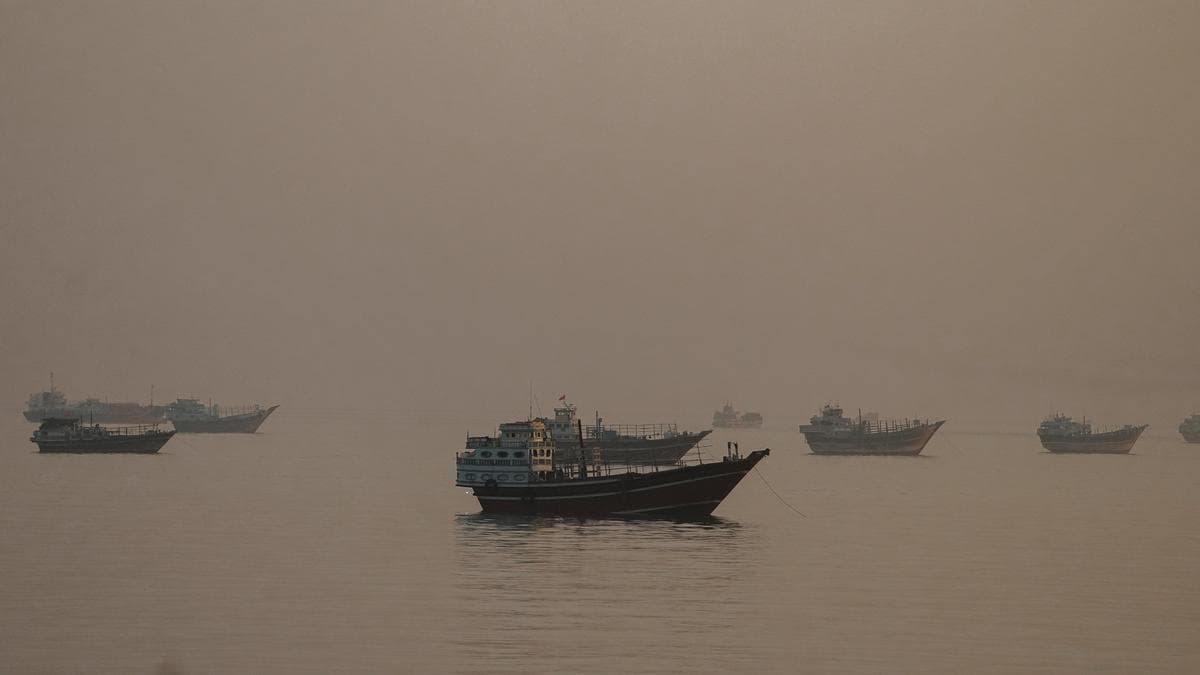
As the regional conflict enters its 100th day, a fresh escalation in the Strait of Hormuz has shattered a fragile ceasefire, drawing Bahrain and Kuwait into the crossfire.
The security architecture of the Middle East faces its most severe test yet, as the United States and Iran engage in a renewed cycle of direct military hostility. On Sunday, U.S. Central Command (CENTCOM) confirmed the destruction of two Iranian drones threatening maritime traffic in the vital Strait of Hormuz. This latest engagement follows a broader series of strikes by American forces against four additional drones and coastal radar installations, effectively signaling a collapse of the truce established on April 8.
A Fragile Truce Collapses
The hostilities reached a fever pitch on Saturday when Iran’s Revolutionary Guards launched a salvo of seven ballistic missiles toward Bahrain and Kuwait. While six of the projectiles were intercepted, one reportedly fell short, heightening fears across the Gulf. This retaliation came in response to the fresh U.S. strikes, with Tehran’s Foreign Ministry labeling the American actions as "flagrant violations" of sovereignty. For residents in the region, the impact was immediate and harrowing; in Kuwait, multiple blasts were reported near the international airport—a site already scarred by a deadly strike earlier last week—while air raid sirens echoed through the streets of Manama.
Deadlocked Diplomacy
With the conflict now hitting its 100-day milestone, the diplomatic path forward appears increasingly narrow. Indirect negotiations intended to secure the Strait of Hormuz—the world’s most critical chokepoint for oil and gas shipments—have ground to a complete halt. Mohsen Rezaei, a high-ranking military adviser to the Iranian Supreme Leader, has publicly urged the U.S. to break the stalemate, specifically calling for the release of $24 billion in frozen assets. However, Washington is reportedly weighing plans to redirect those funds to compensate Gulf allies for damages incurred during the recent bombardment.
Regional Stability Under Threat
The escalation carries significant political weight, particularly for the U.S. administration as it navigates a challenging domestic climate ahead of midterm elections. With global markets rattled by the instability, the focus has shifted to the vulnerability of critical infrastructure. While the U.S. Fifth Fleet remains stationed in Bahrain, the widening scope of the fighting—now involving multiple Gulf states—has forced an urgent recalibration of regional defense strategies. As both sides trade accusations of "provocative behavior," the international community remains on high alert, fearing that the lack of a diplomatic breakthrough will only invite further violence in the coming days.
The PoliticalPedia Editorial Desk brings verified, sourced political news and analysis from across India.