Growth vs. Gloom: BJP Deploys 7.7% GDP Surge to Rebut Rahul Gandhi’s ‘Economic Tsunami’ Claims
‘Economic Tsunami?’ BJP Uses 7.7% GDP Growth Figure To Rebut Rahul Gandhi
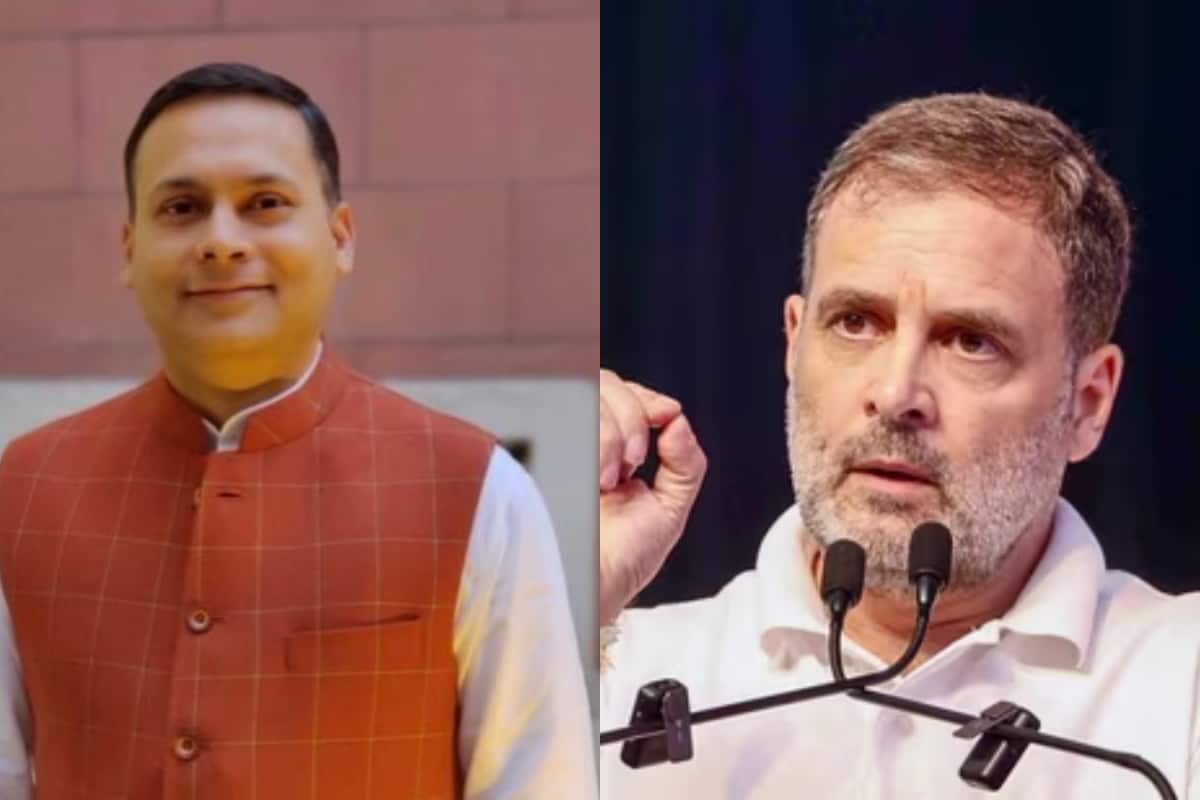
The ruling party has launched a fierce political counter-offensive, citing robust fiscal data to dismantle opposition warnings of an impending nationwide financial crisis.
The intensifying political war of words over India’s macroeconomic trajectory has reached a new fever pitch. Following recent assertions by Congress leader Rahul Gandhi regarding an impending “economic tsunami,” the Bharatiya Janata Party (BJP) has moved to neutralize the narrative by pointing to the latest fiscal year data. BJP IT Cell head Amit Malviya spearheaded the rebuttal, framing India’s 7.7 per cent growth as definitive proof of structural resilience rather than the looming crisis suggested by the opposition.
The Statistical Case for Resilience
The government’s defense rests on a consistent quarterly performance throughout the 2025-26 fiscal year. Official data highlights a steady climb: starting with a 6.7 per cent expansion in the first quarter, the economy surged to 8.4 per cent in the second, before settling into a sustained 7.8 per cent growth rate across both the third and fourth quarters. By averaging these figures to a 7.7 per cent annual growth rate, the ruling party asserts that India has cemented its status as the fastest-growing major economy in the world.
To back their claim of robust health, supporters of current economic policies point to a constellation of high-frequency domestic indicators. Beyond just the headline GDP growth figure, officials have highlighted record-breaking automobile sales as evidence that consumer confidence remains unshaken. This domestic momentum is being used to contrast the Indian experience with the sluggish performance of developed economies, which have struggled to maintain pace in the current global climate.
Global Comparisons and the Political Divide
The data provides a stark divergence from the performance of traditional economic powers. While India maintained its 7.7 per cent trajectory, developed markets reported significantly thinner margins of expansion: Germany recorded 0.4 per cent, Japan stood at 0.8 per cent, and the Euro Area averaged 1.3 per cent. Even within the G7, the average growth hovered at a modest 1.6 per cent. Furthermore, India’s performance outperformed several comparable emerging markets, including Thailand, Malaysia, Indonesia, and Mexico.
For the BJP, these numbers are more than just statistics; they are a political instrument intended to rebut Rahul Gandhi and his warnings of a coming economic tsunami. The opposition had previously painted a bleak picture of the nation's financial future, arguing that systemic vulnerabilities were being ignored. By focusing on the strength of the domestic market and global comparisons, the ruling party is attempting to shift the discourse back to the administration’s track record, framing the recent growth as a direct outcome of stable policy.
As both sides continue to trade barbs, the debate highlights the increasing polarization surrounding India’s economic narrative. While the government maintains that the figures speak for themselves, the opposition remains critical, looking toward the underlying pressures that might affect the average citizen. Whether these growth figures effectively silence the talk of a crisis remains to be seen, but for now, they form the cornerstone of the government’s defense against the opposition’s warnings.
The PoliticalPedia Editorial Desk brings verified, sourced political news and analysis from across India.