Global Oil Prices Fluctuate as Hezbollah Rejects Ceasefire Terms
Oil prices today: Crude falls as Hezbollah rejects US-backed ceasefire
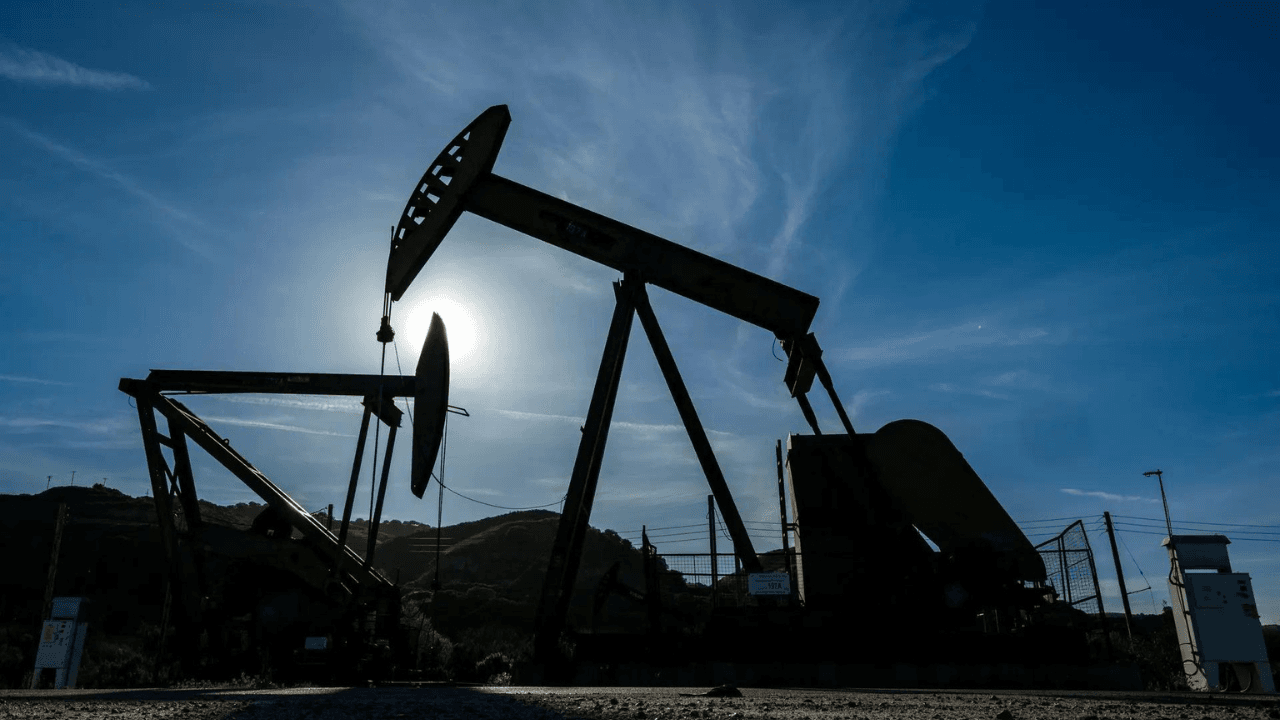
Crude markets remain on edge as the collapse of a US-backed truce in Lebanon sparks fresh uncertainty over energy supplies and regional stability.
Global energy markets faced renewed volatility this week as the delicate balance between geopolitical tension and diplomatic optimism shifted once again. While initial hopes for a ceasefire between Israel and Lebanon had briefly exerted downward pressure on crude, the situation turned sharply when Hezbollah leadership rejected the US-brokered terms. This development has effectively stalled efforts to de-escalate the broader conflict, leaving investors to grapple with the potential for prolonged supply disruptions.
Market Reaction to Fragile Diplomacy
The price of a barrel of oil has reacted dynamically to conflicting signals from the Middle East. Earlier in the week, markets saw a dip in value as investors pinned their hopes on the prospect of a lasting truce, which many viewed as a necessary precursor to broader peace talks involving Iran and the United States. However, these gains were short-lived. Following the rejection of the ceasefire by Hezbollah, traders are reassessing the risk premium associated with the conflict, causing benchmarks like Brent and West Texas Intermediate (WTI) to oscillate as they digest the news.
The Strait of Hormuz Factor
At the heart of the current investor anxiety is the Strait of Hormuz, a critical maritime chokepoint through which nearly one-fifth of the world’s daily oil supply passes. The region has been plagued by restricted traffic and security concerns, which have historically pushed prices higher. Analysts warn that as long as the waterway remains a focal point of the ongoing standoff between Iran and international powers, the market remains vulnerable to sudden spikes. Even with moderate demand from key consumers like China acting as a ceiling for prices, the threat of a total supply bottleneck keeps the industry on high alert.
Domestic Impact and Economic Outlook
For net energy importers like India, these global fluctuations carry significant weight. Recent data from the Union ministry of petroleum and natural gas indicates that state-run oil marketing companies are already grappling with substantial under-recoveries on fuel products, particularly liquefied petroleum gas (LPG). With the Indian crude oil basket hovering at elevated levels, any sustained increase in international prices adds pressure to the nation’s import bill and broader inflationary outlook.
Analysts Advise Caution
Market experts suggest that the "tangled web" of diplomatic headlines makes it difficult to predict near-term trends. While some analysts maintain that global inventories are tightening—potentially setting the stage for a price jump later in the year—others point to the unpredictability of the negotiations as the primary driver of current volatility. As the situation in Lebanon remains fluid and the status of regional peace deals hangs in the balance, traders are expected to maintain a cautious stance, wary that any sudden shift in the diplomatic landscape could trigger further rapid movements in the cost of crude.
The PoliticalPedia Editorial Desk brings verified, sourced political news and analysis from across India.