From Virtual Pens to Real Peace: Washington and Tehran Sign Historic MoU
Trump, Iranian President Virtually Sign MoU as Key Negotiators Endorse Deal | Iran US Peace Deal
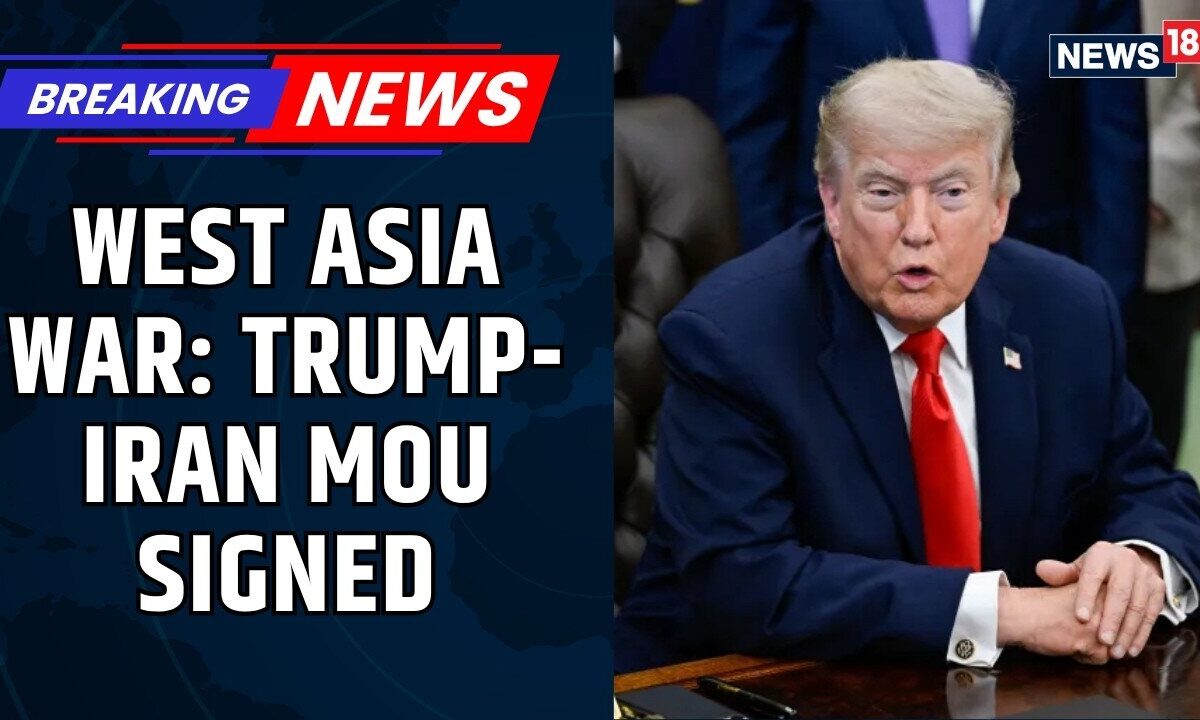
In a dramatic shift for global diplomacy, Donald Trump and the Iranian President have digitally finalized a memorandum of understanding, marking a fragile yet significant end to active hostilities.
The digital ink is dry on a document that many thought would never exist. In a high-stakes virtual ceremony, Donald Trump and the Iranian President have signed a memorandum of understanding (MoU), signalling a tentative end to the latest cycle of conflict. The agreement, endorsed by key negotiators JD Vance and Mohammad Ghalibaf, effectively transitions the relationship from a battlefield confrontation to a diplomatic phase, with unresolved disputes now slated for mediation in Geneva.
While the signing has sent a ripple of optimism through global markets, the reality on the ground remains complex. Reports indicate that while the MoU is an official step toward peace, it is not without its caveats. President Trump has already signalled that the U.S. reserves the right to resume military action if conditions are not met, a reminder that the "peace" is as much a strategic manoeuvre as it is a genuine cessation of hostilities.
The View from Tehran
Inside Iran, the reaction to the agreement is sharply divided. While the administration points to the reopening of the Strait of Hormuz and the promise of de-escalation as a victory, hardline factions are already sounding alarms, framing the deal as a forced retreat. Sources suggest Tehran is looking toward the United Nations Security Council (UNSC) for formal approval, a move intended to provide an international safety net—a clear sign that the Iranian leadership is learning from the volatile history of past agreements.
Despite the digital signatures, the atmosphere in Tehran remains cautious. Some state media outlets have published draft details, but confusion persists over the full scope of the commitment. The gap between the official, televised signing and the internal political wrangling suggests that the path to long-term stability will be paved with domestic hurdles for both Washington and Tehran.
Why it matters: The bigger picture
For India and the wider global community, this Iran US peace deal is a critical pivot point. The immediate benefit is a potential easing of supply chain anxieties—particularly concerning oil transit through the Hormuz—which have kept global energy prices on edge. However, this is not a comprehensive reset of relations. It is a tactical ceasefire that shifts the conflict from kinetic warfare to the conference tables of Switzerland.
The pattern here is clear: both administrations are under pressure to show results without appearing to surrender their core strategic interests. By shifting unresolved disputes to Geneva, the parties have bought themselves time, but they have also kicked the most difficult questions—such as regional influence and security guarantees—down the road. Whether this agreement becomes a foundation for lasting stability or merely a temporary tactical pause will depend on how quickly the negotiators can translate these virtual promises into tangible, verifiable actions.
Ananya Iyer covers global affairs with an Indian lens for PoliticalPedia.