A Fragile Detente: The Challenges Lining the Path to the US-Iran Deal
Nuclear, Hormuz, Sanctions: Challenges In The Way Of US-Iran Deal
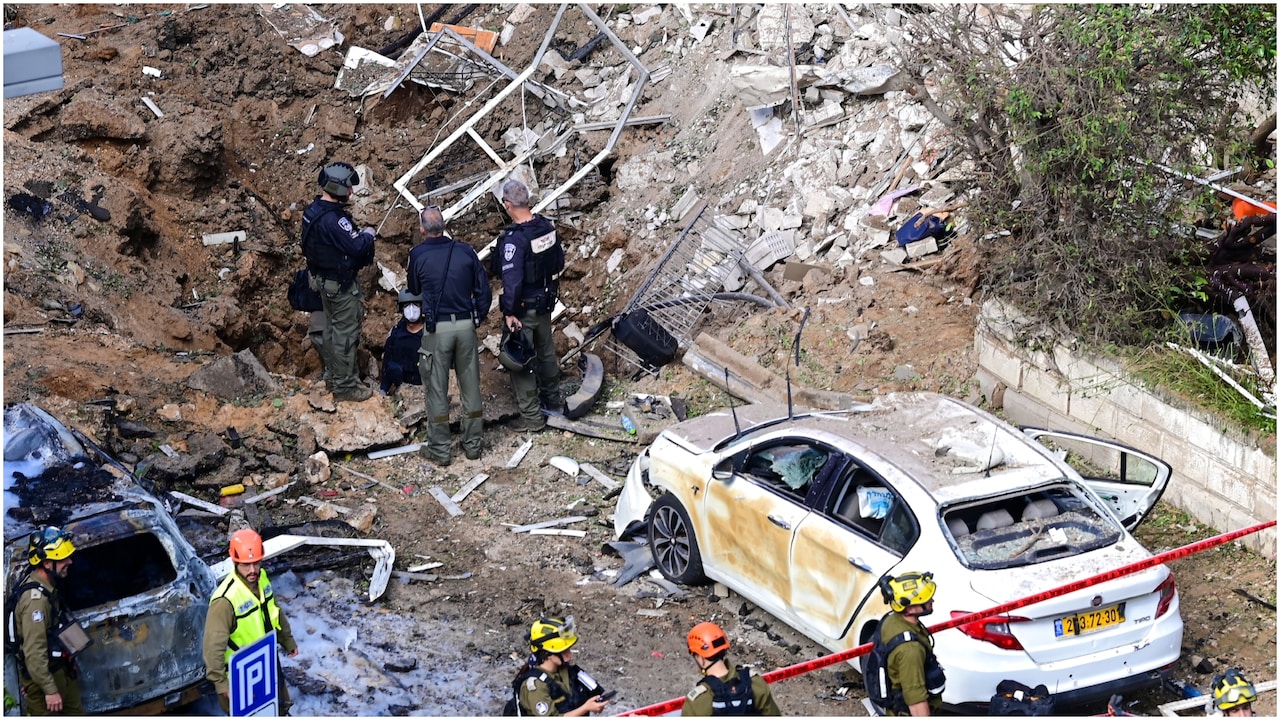
As Washington and Tehran prepare for a high-stakes signing in Geneva, the 14-point roadmap offers a glimmer of hope amidst deep-seated mistrust.
The air in Geneva is thick with anticipation as the clock ticks toward June 19. After months of back-channel diplomacy, the United States and Iran are set to formalize a 14-point peace deal that aims to redraw the security architecture of the Middle East. With oil markets already reacting—prices slipped as news of a potential reopening of the Strait of Hormuz hit trading floors—the global impact is immediate. Yet, beneath the diplomatic optics, the shadow of past volatility looms large. Tehran remains deeply wary of Donald Trump, citing the history of sudden attacks that derailed previous negotiations, making this interim truce a high-wire act of endurance rather than a settled victory.
Decoding the 14-Point Framework
The agreement, the details of which have remained shrouded in secrecy until now, is broad in its ambition. It touches upon the most volatile flashpoints in the region, including a ceasefire in Lebanon and, crucially, the unhindered flow of commerce through the Strait of Hormuz. For the global economy, the reopening of this vital shipping lane is the most tangible benefit, potentially easing energy supply anxieties that have plagued markets for years. The deal also initiates a 60-day window specifically dedicated to hammering out the thorny issues of nuclear non-proliferation and the easing of economic sanctions.
The Roadblocks Ahead
The primary challenge in the way of this US-Iran deal is not just the text itself, but the lack of institutional trust. Tehran’s hesitation stems from a cynical view of American political cycles; officials in Iran are acutely aware that a signed agreement is only as durable as the administration that backs it. While the US is offering sanctions relief, the hard work of verifying nuclear compliance remains the biggest hurdle. The 60-day timeline is ambitious, if not optimistic, and experts are already questioning whether a comprehensive resolution can be reached before the political winds in Washington shift once again.
Why It Matters
For India, the implications are significant. We have a vested interest in the stability of the Persian Gulf, a region that serves as our primary energy source and a home to millions of our diaspora. A lasting peace between Washington and Tehran would not only stabilise energy prices but also provide a much-needed corridor for trade connectivity. However, the "peace first, details later" approach adopted by both sides is a gamble. If this deal collapses under the weight of its own complexities, the resulting vacuum could be more dangerous than the status quo, dragging the region back into a cycle of confrontation that we can ill afford.
The coming two months will be a test of political will. Whether the 14-point framework acts as a bridge to long-term stability or simply a temporary pause in hostilities will depend entirely on how both parties handle the technical negotiations on sanctions and the nuclear file. For now, the world watches Geneva, knowing that while the path is open, the terrain remains treacherous.
Ananya Iyer covers global affairs with an Indian lens for PoliticalPedia.