From the Pitch to the Senate: The Kylian Mbappe and Celeste Amarilla World Cup Controversy
What sparked Kylian Mbappe-Celeste Amarilla World Cup controversy?
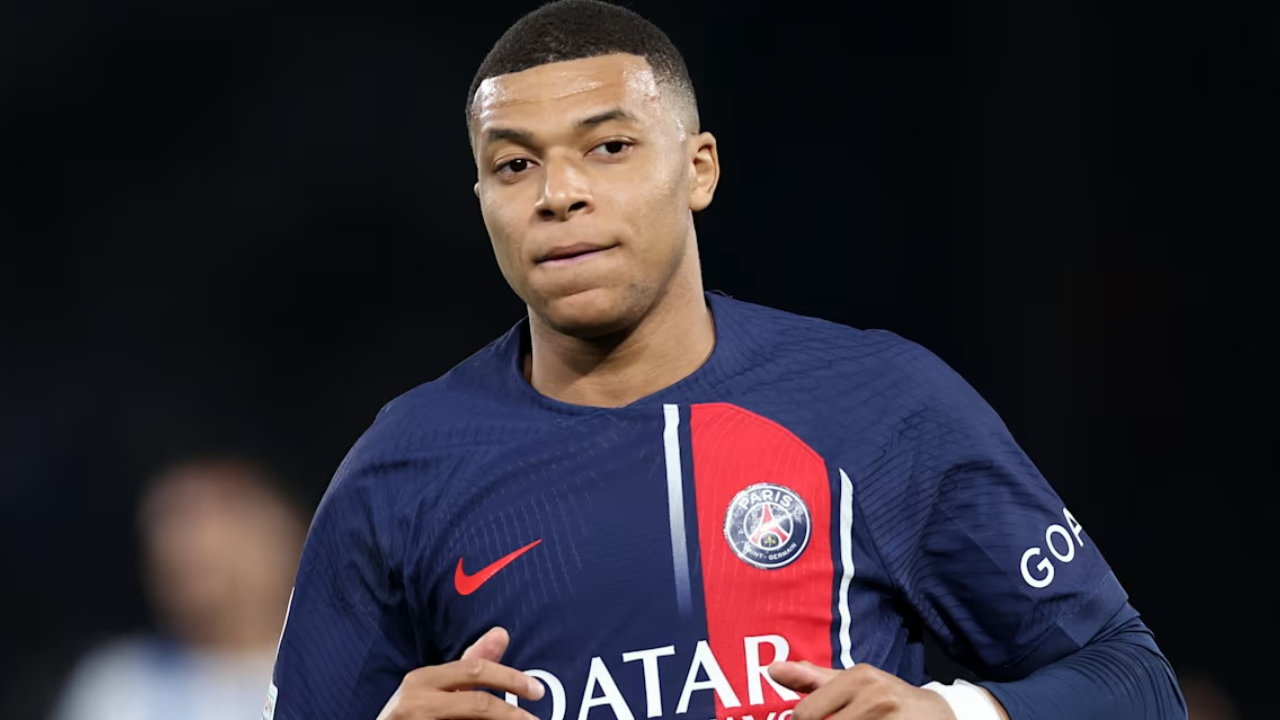
A tense post-match moment in Philadelphia has spiralled into a global diplomatic and legal row after a Paraguayan senator unleashed a series of racist attacks against the French captain.
The final whistle in Philadelphia usually signals the end of the drama, but for Kylian Mbappe and the Paraguayan side, it was only the beginning. After France’s hard-fought 1-0 victory in the Round of 16, a brief, heated interaction between the French captain and Paraguay goalkeeper Orlando Gill—where a handshake was refused and a ball was thrown in frustration—became the catalyst for something far more sinister.
A Senator’s Toxic Tirade
While the players’ on-field spat might have remained a typical post-match talking point, the intervention of Paraguayan senator Celeste Amarilla shifted the discourse from football to bigotry. Amarilla, a lawyer and member of the Authentic Radical Liberal Party, took to social media to launch a vitriolic attack on Mbappe. Her posts, which have since sparked international outrage, included dehumanizing language, mocking the striker's background, and suggesting that the goalkeeper should have physically assaulted him.
Amarilla’s rhetoric did not stop at personal insults. She referred to the French star as a "colonised Cameroonian" and questioned his identity in terms widely condemned as xenophobic and racist. By openly stating that she employs similar disrespectful tactics in her own parliamentary duties, the senator effectively dragged the dignity of her office into the gutter, prompting the Paraguayan Foreign Ministry to distance the government from her remarks.
The Pushback
Mbappe, refusing to let the abuse slide, issued a sharp, dignified rebuttal on social media. "You are a despicable woman and unworthy of your position," the French captain wrote, effectively separating the vitriol of the politician from the passion of the Paraguayan people. He defended the spirit of the team his side had just defeated, noting that Amarilla’s actions served only to tarnish the historic efforts of the Paraguayan players on the world stage.
The fallout has been swift. The French Football Federation (FFF) has formally reported the matter to the public prosecutor’s office, labelling the senator’s remarks "criminal and reprehensible." The FFF’s firm stance underlines a growing intolerance within global football governance for racism disguised as nationalistic fervor.
Why It Matters
This incident is a sobering reminder that the "beautiful game" is increasingly vulnerable to the toxic political climate of the real world. When public officials—who should be setting a standard for discourse—resort to dehumanizing language, it emboldens the fringes and threatens the inclusive culture sport aims to project.
The pattern here is troubling; it echoes previous instances where sports figures have been targeted by nationalist rhetoric, such as the earlier controversial comments by former goalkeeper Jose Luis Chilavert. For the 2026 World Cup, this serves as a cautionary tale: the tournament may be a competition of nations, but the platform it provides must be guarded against those who seek to use it as a stage for hatred. As France moves on to face Morocco, the focus remains on whether legal accountability can keep pace with the speed of online hate.
Arjun Mehta reports on government, policy and Parliament for PoliticalPedia, in English and Hindi.