From the Oval Office to the Pitch: The Controversy Behind the Balogun U-Turn
Trump Backs Balogun As UEFA Slams FIFA's Shock World Cup Red Card Ban Decision
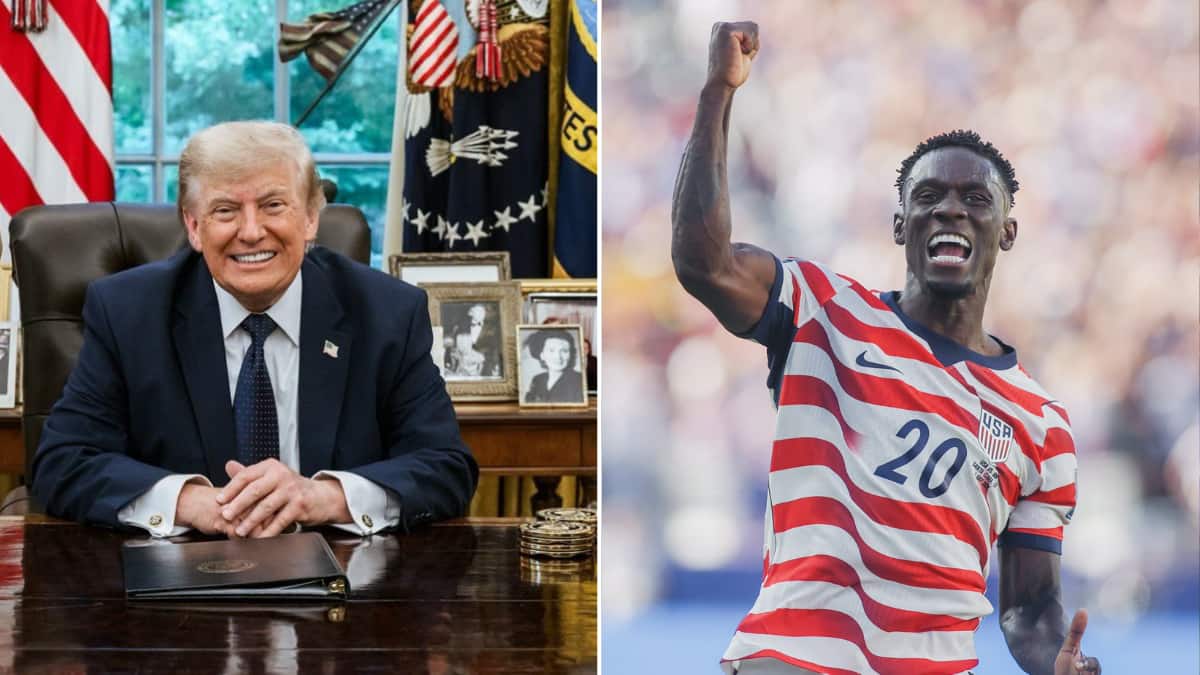
A presidential intervention and a controversial FIFA ruling have turned the USA vs Belgium showdown into the most heated fixture of this World Cup.
The footballing world is currently reeling from a decision that feels less like a disciplinary process and more like a high-stakes geopolitical drama. When Folarin Balogun dragged his studs down the leg of Bosnia and Herzegovina’s Tarik Muharemovic, the subsequent straight red card seemed to seal his fate for the Round of 16. Under normal regulations, the American striker would be watching from the stands. Instead, thanks to an unprecedented intervention, he will be leading the line tonight.
The narrative shifted dramatically when Donald Trump confirmed he had personally appealed the suspension to FIFA president Gianni Infantino. Trump’s reasoning was blunt: he argued that banning the team's best player would be "very unfair" and could leave a "big stain" on the tournament. Shortly after, FIFA announced they would suspend the implementation of the one-match ban, opting instead to place Balogun on a one-year probationary period. While the red card itself technically remains on his record, his eligibility for the match against Belgium was restored.
UEFA Slams FIFA’s Shock World Cup Red Card Ban Decision
The reaction from the footballing establishment has been scathing. UEFA has led the charge, with officials publicly labeling the move "unprecedented, incomprehensible and unjustifiable." The sentiment among governing bodies is that FIFA has effectively "crossed a red line," undermining the very rules they are meant to enforce. Even Jürgen Klopp, never one to shy away from strong opinions, weighed in with a sharp critique, declaring, "Our game, not theirs," in response to what he perceives as political overreach.
The tension is palpable on the ground. Belgium’s camp hasn't hidden their disdain, with members of the squad reportedly dismissing the decision as an "April Fools" joke. The optics are undeniably messy; while Infantino insists the process remained "independent and autonomous," the timing of the U-turn—coming immediately after high-level lobbying—has left fans and pundits questioning the integrity of the tournament’s disciplinary framework.
Why It Matters
This saga serves as a stark reminder of how sports and statecraft are increasingly colliding on the global stage. When a head of state directly influences the participation of an athlete in a major international tournament, it creates a dangerous precedent. If the rules of the game are malleable based on who is making the phone call, the fundamental level playing field that football prides itself on begins to erode.
For the casual observer, it is a drama that captures the spotlight, but for the sport’s regulators, it is a potential crisis of authority. Whether or not Balogun finds the back of the net against Belgium, the "Balogun case" will likely be remembered as the moment the walls between the pitch and the palace came crashing down. The long-term impact on FIFA’s credibility may well outweigh the immediate tactical advantage gained by the USMNT.
Kabir Sharma writes on culture, technology and everyday life for PoliticalPedia.