From Tehran to Tel Aviv: Why Vance Says US Won’t Be Drawn Into Endless War
US-Israel-Iran War News Live Updates: Vance Says US Won't Be Drawn Into Endless War
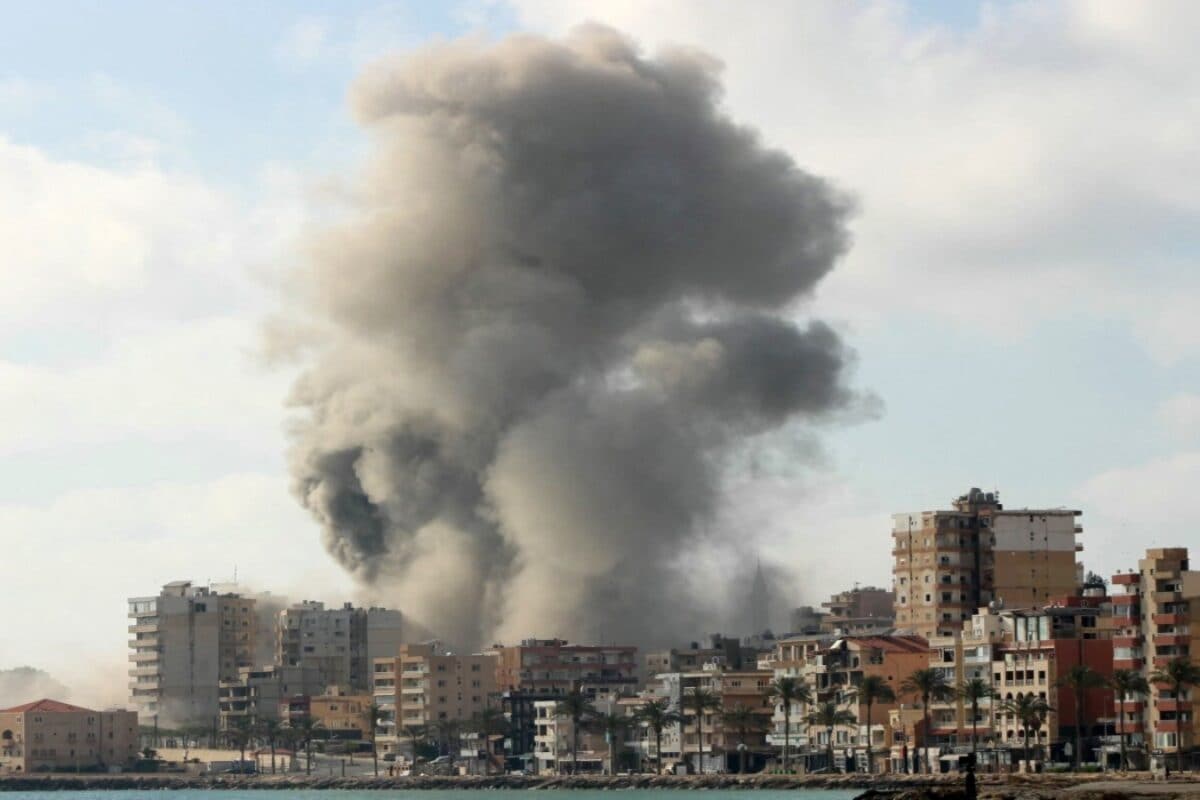
As missile exchanges shatter a fragile ceasefire, Washington insists it can secure a nuclear deal without being pulled into a long-term regional quagmire.
The Middle East is teetering on the edge once more. On Monday, the relative quiet of a two-month ceasefire was violently punctured as Iran launched 11 missiles toward the Ramat David air base in northern Israel, prompting immediate retaliatory strikes from the Israeli Air Force. While air raid sirens sent civilians scrambling for shelters across Israel, the diplomatic fallout was almost instantaneous. In Washington, Vice President JD Vance moved quickly to steady the narrative, telling reporters that the United States remains "locked and loaded" should nuclear negotiations fail, even as he expressed confidence that the US would avoid the trap of a prolonged military entanglement.
A Ceasefire Under Siege
The latest hostilities highlight the fragility of the peace efforts that President Donald Trump has championed as his own. Despite the recent exchange of fire—which saw explosions reported near Karaj and the temporary closure of airspace around Tehran’s Imam Khomeini International Airport—the White House is insisting that a path to a deal remains open. Trump has reportedly urged Prime Minister Benjamin Netanyahu to exercise restraint, signalling that the US is wary of being dragged into a wider conflict that could destabilize global energy markets and derail his administration’s diplomatic agenda.
The situation is further complicated by conflicting signals from within the Iranian establishment. While some officials speak of a "historic victory" and a 10-point peace plan, others, including parliamentary speaker Mohammad Bagher Ghalibaf, have openly questioned if there is any genuine intent on the part of Washington to rebuild trust. Adding an ideological layer to the friction, Mojtaba Khamenei has recently reframed the conflict in religious terms, invoking the concept of "jihad" in messages that frame the US and Israel as the ultimate adversaries.
The Bigger Picture: Why It Matters
For observers in New Delhi, the volatility in West Asia presents a familiar, if heightened, risk. The pattern is clear: military escalation is being used as a high-stakes bargaining chip by both Tehran and Tel Aviv, aimed at forcing a better hand at the negotiating table. However, the "endless war" narrative that Vance is actively pushing back against is the real concern. If the US cannot secure a firm, verifiable commitment on Iran’s nuclear program, the current policy of "locked and loaded" rhetoric risks becoming a self-fulfilling prophecy. The danger for the region—and by extension, for global trade and energy security—is that a single miscalculation by a field commander could force a large-scale intervention that no side currently has the political appetite to manage.
Diplomatic Hurdles
Negotiations have been anything but straightforward. Vance recently dismissed a circulating proposal as the work of "a random yahoo," clarifying that only the framework developed through back-channel discussions involving the US, Pakistan, and Iran holds any merit. Meanwhile, the revelation that Netanyahu allegedly made a secret visit to the UAE during the conflict has riled Tehran, leading to fresh warnings from Iranian Foreign Minister Abbas Araghchi that states "colluding" with Israel will be held to account. As the region waits to see if the latest strikes will escalate into a full-scale regional war, the US remains stuck between the desire to disengage from "endless wars" and the reality of a nuclear-armed Iran that shows no sign of yielding.
Priya Nair covers parties, elections and the business of power for PoliticalPedia.