From Stethoscopes to Statecraft: The Medical Minds in Prime Minister Modi’s Cabinets
National Doctors’ Day 2026: Medical professionals who served in Prime Minister Modi’s Union Cabinet since 2024, check prominent names here
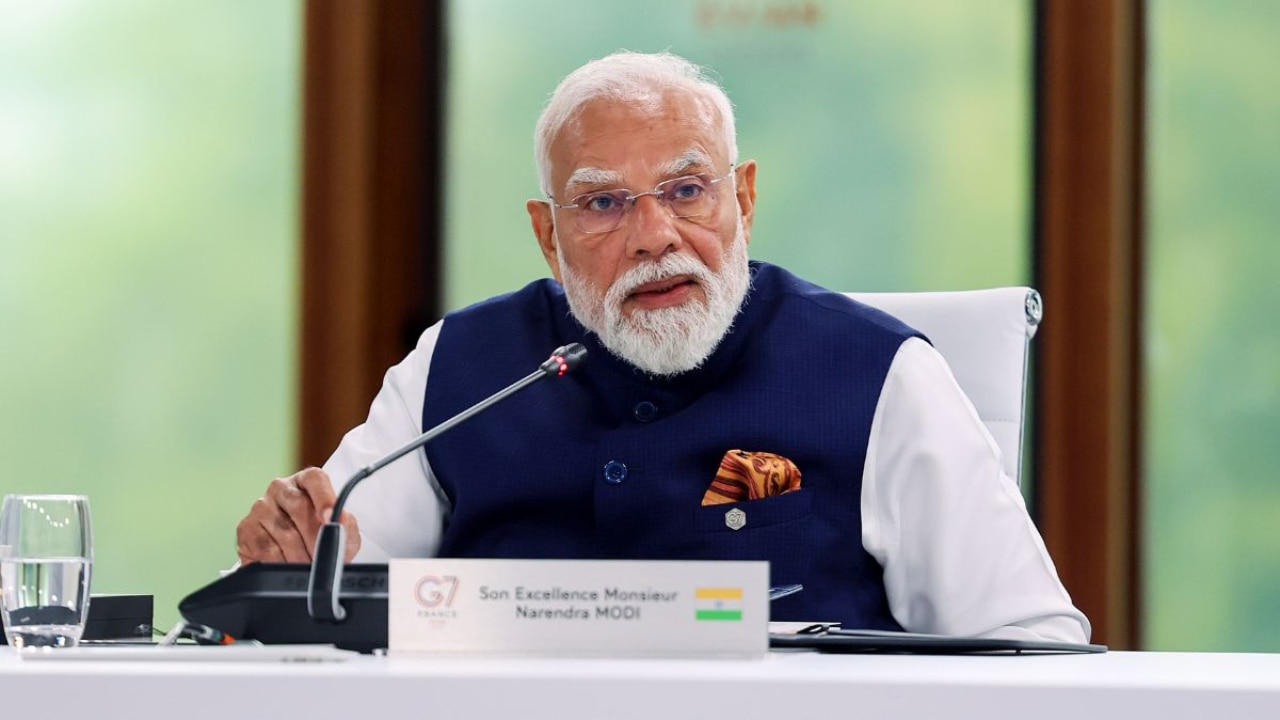
As India marks National Doctors’ Day, we look at the physicians who traded clinical practice for the corridors of power in the Union Cabinet since 2014.
Every July 1, India pauses to honour the legacy of Dr. Bidhan Chandra Roy, a physician whose life remains the gold standard for the intersection of medicine and public service. While the day is fundamentally about the grit of those in white coats, it also invites a unique reflection on how the Indian state integrates medical expertise into its highest levels of governance. Since Prime Minister Modi’s administration took office in 2014, several medical professionals have stepped out of hospitals and into the Union Cabinet, bringing their clinical acumen to the policy-making table.
The Physician-Politicians
The list of medical professionals who served as ministers in the Union Cabinet is both diverse and extensive. Dr. Harsh Vardhan, an ENT surgeon by training, stands out as a key figure, having held the portfolios of Health and Family Welfare—most notably during the early, volatile phases of the global health crisis—alongside Science and Technology. Similarly, Dr. Mahesh Sharma, a hospital entrepreneur and physician, brought his administrative background to the ministries of Culture, Tourism, and Civil Aviation.
The trend of recruiting domain experts has continued across various ministries. Dr. Subhas Sarkar, a medical practitioner from West Bengal, played a significant role as a Minister of State for Education in the Modi 2.0 government. The health ministry itself saw direct clinical input from Dr. Bharati Pravin Pawar, who served as Minister of State for Health and Family Welfare between 2021 and 2024. Furthermore, Dr. Munjapara Mahendrabhai, another medical practitioner, contributed to the AYUSH and Women and Child Development portfolios during that same period.
Why it matters: The clinical lens in governance
The presence of doctors in the Union Cabinet is more than just a matter of credentials; it represents a deliberate approach to policymaking. When a physician sits in a meeting regarding public health infrastructure or medical education, the perspective is inherently grounded in the practical realities of the ground-level healthcare system. This "clinical" understanding often dictates the result of major policy shifts, moving the needle from purely bureaucratic decisions toward more patient-centric outcomes.
While non-medical leaders like J.P. Nadda have also steered the crucial Health Ministry portfolio across several terms, the consistent inclusion of doctors signifies that the government values the intersection of professional medical experience and legislative intent. As the country grapples with evolving health challenges, the ability of these ministers to translate technical medical knowledge into accessible, scalable public policy remains a critical asset.
A broader trend
This tradition of doctor-ministers serves as a bridge between the rigorous, evidence-based world of medicine and the complex, often unpredictable world of national politics. Whether it is managing the nuances of AYUSH or overseeing the expansive education sector, these individuals carry the discipline of their former profession into the cabinet. As we observe National Doctors’ Day, the contribution of these specific ministers highlights that the skill set required to treat a patient—problem-solving, empathy, and diagnostic precision—is surprisingly transferable to the service of the nation.
Ananya Iyer covers global affairs with an Indian lens for PoliticalPedia.