From Jakarta to Melbourne: PM Modi’s Indo-Pacific push signals a new diplomatic rhythm
‘Honoured to welcome my friend’: Australian PM ahead of PM Modi’s visit next week
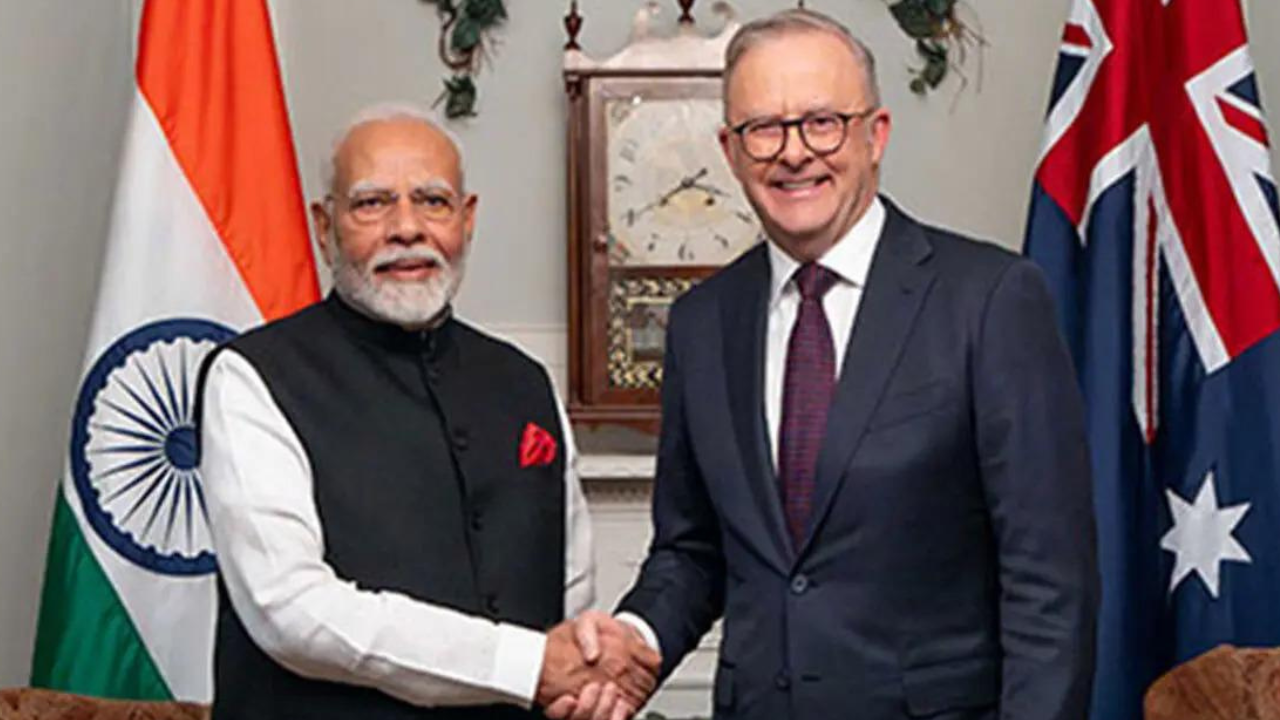
Prime Minister Narendra Modi’s upcoming three-nation tour underscores India’s growing strategic footprint in the Indo-Pacific, with a high-stakes stop in Australia top of the agenda.
The diplomatic calendar for the coming week is set, and it marks a significant acceleration in India’s outreach to its maritime neighbors. Prime Minister Narendra Modi is embarking on a six-day, three-nation tour that begins in Indonesia, pivots to Australia for the Annual Leaders' Summit in Melbourne, and concludes with a state visit to New Zealand. This isn't just a series of state calls; it is a calculated effort to solidify India’s role as a primary security and economic anchor in the Indo-Pacific.
The centerpiece of the tour is undoubtedly the meeting with Australian PM Anthony Albanese. In a pointedly warm statement, the Australian PM expressed that he is “honoured to welcome my friend” to Melbourne. Since their last encounter on the sidelines of the G20 summit in Johannesburg, the tone between Canberra and New Delhi has shifted from cautious cooperation to a more urgent, deep-seated partnership. Albanese’s rhetoric reflects this, framing the relationship as "more consequential" than ever before, with a focus on peace, stability, and mutual prosperity.
Strengthening the Strategic Axis
For New Delhi, the visit to Australia is about moving beyond rhetoric. The Ministry of External Affairs has confirmed that the agenda will cover the full spectrum of bilateral ties, ranging from trade and technology to defence and security. Australia currently views India—the world’s fourth-largest and fastest-growing economy—as a vital piece of its own economic puzzle. By aligning their interests, both nations are attempting to create a more resilient economic bloc that can withstand regional volatility.
The logistics of the tour are equally telling. Before reaching Melbourne on July 8, the Prime Minister will be in Indonesia at the invitation of President Prabowo Subianto. From July 10, he moves to Auckland to meet Prime Minister Christopher Luxon. By balancing these stops, the government is signalling that its "Act East" policy has matured into a more sophisticated, multi-layered engagement strategy that treats the Indo-Pacific as an integrated theatre rather than disparate bilateral relationships.
Why it matters
The significance of this trip lies in the timing. As regional security dynamics shift, the "friendship" touted by leaders like Albanese is shorthand for a deepening intelligence and defence alignment. The Australian PM’s emphasis on the partnership fostering "stability" is a clear signal that both nations are looking to counter external pressures in the region through closer integration. For India, having an anchor in the Pacific through Australia and New Zealand, while maintaining strong ties in Southeast Asia, provides a crucial counterweight in its broader geopolitical calculus.
Expect the discourse during these visits to remain focused on practical outcomes—tech transfers, supply chain resilience, and diaspora engagement. The Prime Minister’s interaction with the Indian diaspora in these countries remains a standard, yet vital, component of his diplomatic toolkit, serving to cement the "cultural connections" that Albanese referenced as the bedrock of the official relationship. As the delegation prepares for takeoff, the message to the international community is clear: India is no longer just a regional player, but a central architect of the Indo-Pacific’s future.
Arjun Mehta reports on government, policy and Parliament for PoliticalPedia, in English and Hindi.