From Digital Buzz to Jantar Mantar: How the Cockroach Janta Party Fared in the Real World
The Litmus Test At Jantar Mantar: How The Cockroach Janta Party Fared In The Real World
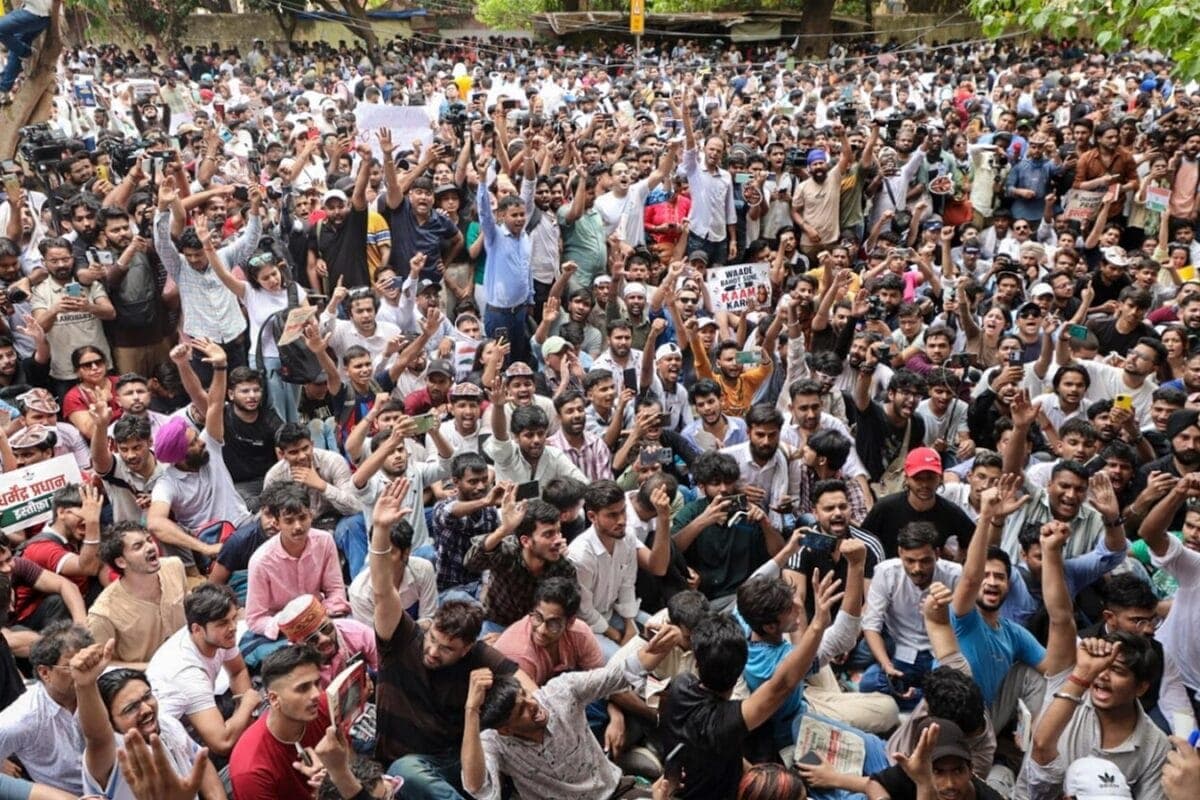
A social media-born movement faced its first physical challenge in New Delhi, highlighting the widening gap between massive online followings and ground-level mobilization.
The digital landscape of Indian protest movements underwent a unique stress test this week as the 'Cockroach Janta Party' (CJP)—an entity birthed from a satirical response to observations made by the Chief Justice of India—took to the streets. With a formidable following of 22.3 million on Instagram, the organization arrived at Jantar Mantar on June 6, marking what many observers called the litmus test at which the party fared in the real world. Despite the staggering virtual numbers, the turnout on the ground offered a stark reminder of the complexities involved in translating online engagement into physical presence.
The Dynamics of Digital Mobilization
The protest was characterized by a distinct "protest culture" tailored for the internet age. Before the event, the group issued specific guidelines, urging participants to carry the national flag and document every moment, emphasizing the performative nature of modern dissent. Early reports indicated that the gathering was heavily populated by New Delhi-based YouTubers and content creators, some of whom appeared focused on capturing high-engagement footage. However, amidst the cameras, a segment of the crowd consisted of genuine stakeholders: school students, competitive exam aspirants, and anxious parents, all unified by a growing frustration over recurring examination controversies and systemic educational uncertainty.
Demands and Ground Reality
The central objective of the demonstration was a clear demand for the resignation of Union Education Minister Dharmendra Pradhan. Carrying paper cockroach masks and pamphlets, the protesters attempted to project a unified front against perceived administrative apathy. While spokesperson Saurav Das confirmed that police had granted official permission for the sit-in, the overall energy of the event remained tempered. The demonstration stood out as a rare political entity that bypassed traditional grassroots organizing in favor of a purely digital campaign, raising questions about the sustainability of movements that rely solely on social media algorithms for recruitment.
Context and Broader Implications
The CJP’s debut at Jantar Mantar highlights a shifting paradigm in Indian activism, where younger demographics are increasingly turning to unconventional digital platforms to voice their grievances. The presence of supporters like Sonam Wangchuk, who had pledged a 42-day hunger strike in solidarity, underscores the high stakes the movement attempted to attach to its maiden protest. Yet, the mismatch between the "22 million" digital audience and the limited physical attendance suggests that while social media remains a powerful tool for broadcasting dissent, the challenge of converting passive followers into active, on-ground protestors remains a significant hurdle for new-age political outfits.
The PoliticalPedia Editorial Desk brings verified, sourced political news and analysis from across India.