From 11 Lakh Scanned Copies to 3.8 Lakh Re-evaluations: The CBSE Data Gap
CBSE 12th Result: Of over 11 lakh answer books requested, only 3.8 lakh entered re-checking process
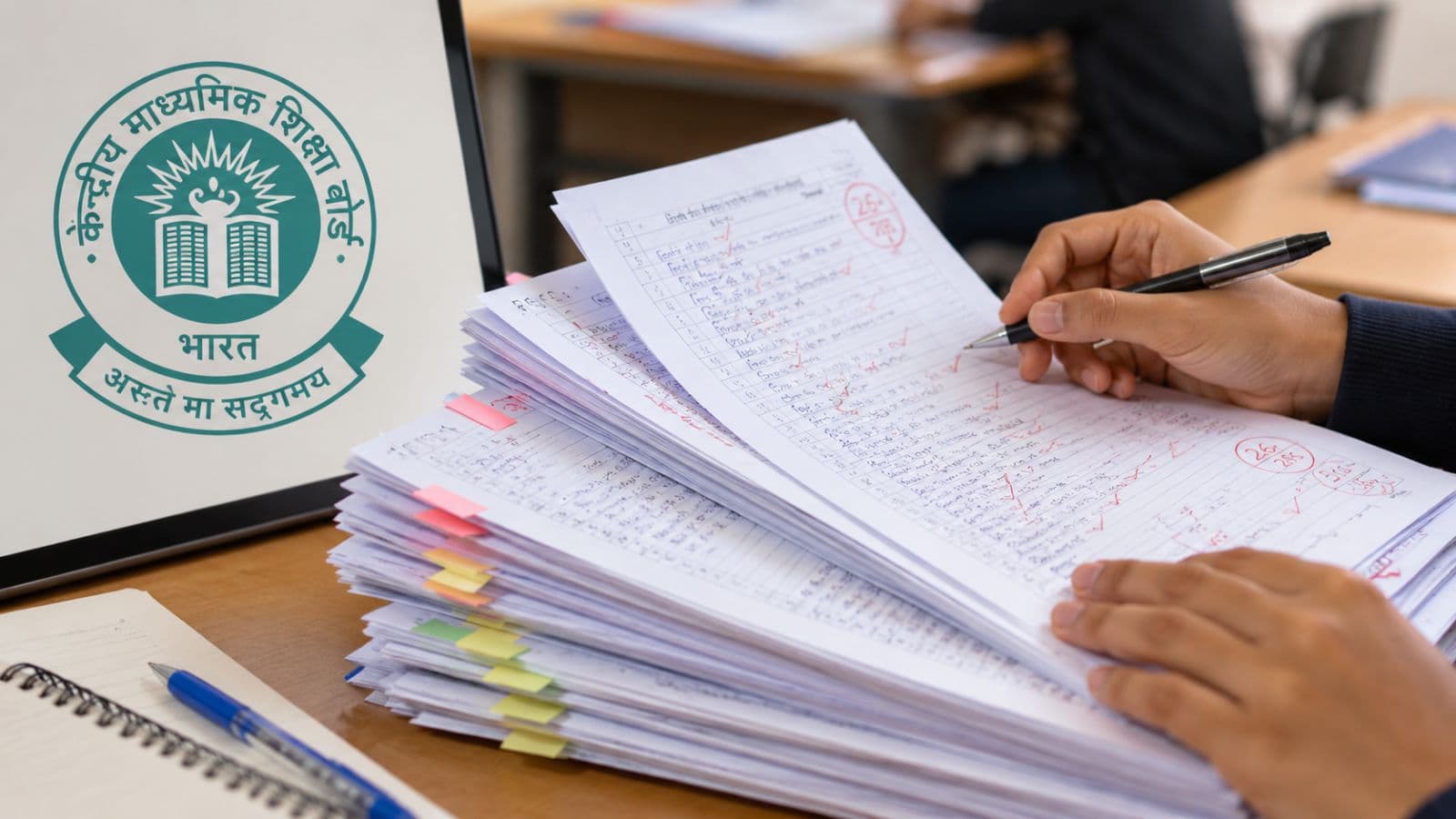
Data reveals that while lakhs of students accessed their answer books, only a fraction proceeded to formal challenges.
The window for post-result redressal in the Class 12 exams has closed, leaving behind a massive gap between the number of students who sought scrutiny and those who officially flagged errors. According to the latest figures from the Central Board of Secondary Education (CBSE), candidates initially requested scanned copies of over 11.3 lakh answer books. However, as the verification and re-evaluation process concluded, only about 3.8 lakh answer books were actually submitted for formal review.
The Multi-Stage Filter
This disparity isn't necessarily a sign of system failure, but rather a reflection of the board’s multi-layered post-result service structure. When the CBSE results were declared, the surge in demand was unprecedented; by May 26, the board had digitally furnished nearly 9 lakh answer books to students. Under the current protocol, a student must first obtain a scanned copy of their evaluated paper to inspect it for discrepancies. Only after this initial review do they decide whether to formally apply for the verification of marks, the identification of unevaluated answers, or a full re-evaluation of specific questions.
The board maintains that the process, which ran from June 2 to June 7, was robust. Facing criticism from parents and student associations—who alleged that the Online System of Management (OSM) for evaluations was rushed and prone to technical glitches—the CBSE stated that the portal was monitored round-the-clock by government technical agencies and IIT experts to fend off cyber threats.
Why it Matters: The Transparency Paradox
The central question for students is whether this gap represents "informed withdrawal" or "systemic deterrence." On one hand, many students likely requested their copies out of apprehension, only to find their marks were calculated correctly upon inspection, deciding against the cost and effort of a formal re-evaluation. On the other, the Delhi High Court is already seized of the matter, with the bench seeking responses from both the Centre and the CBSE regarding the efficacy of the OSM rollout.
For the board, this represents a balancing act between digitizing the assessment process and maintaining public trust. While the digital turnaround of over 11 lakh documents is a logistical feat, the high volume of initial requests suggests that a significant portion of the student body remains deeply anxious about the accuracy of their results. The fact that only one in three requested books moved to the next stage suggests that the "scanned copy" phase serves as a vital safety valve, preventing the formal re-evaluation machinery from being overwhelmed by disputes that could be settled with a simple look at the marked script.
Looking Ahead
The fallout from this year’s evaluation cycle will likely force the CBSE to refine its trial runs for new digital systems. While the board has defended its technical infrastructure, the ongoing legal scrutiny and the noise from parent associations indicate that "efficiency" in data processing is only half the battle. Unless the board can prove that the initial evaluation is consistently precise, students will continue to view these post-result services as their only line of defense against potential errors.
National Affairs Desk at PoliticalPedia covers government & policy for an Indian audience in English and Hindi.