Behind the Numbers: The Gap Between CBSE Answer Book Requests and Re-evaluation
CBSE 12th Result: Of over 11 lakh answer books requested, only 3.8 lakh entered re-checking process
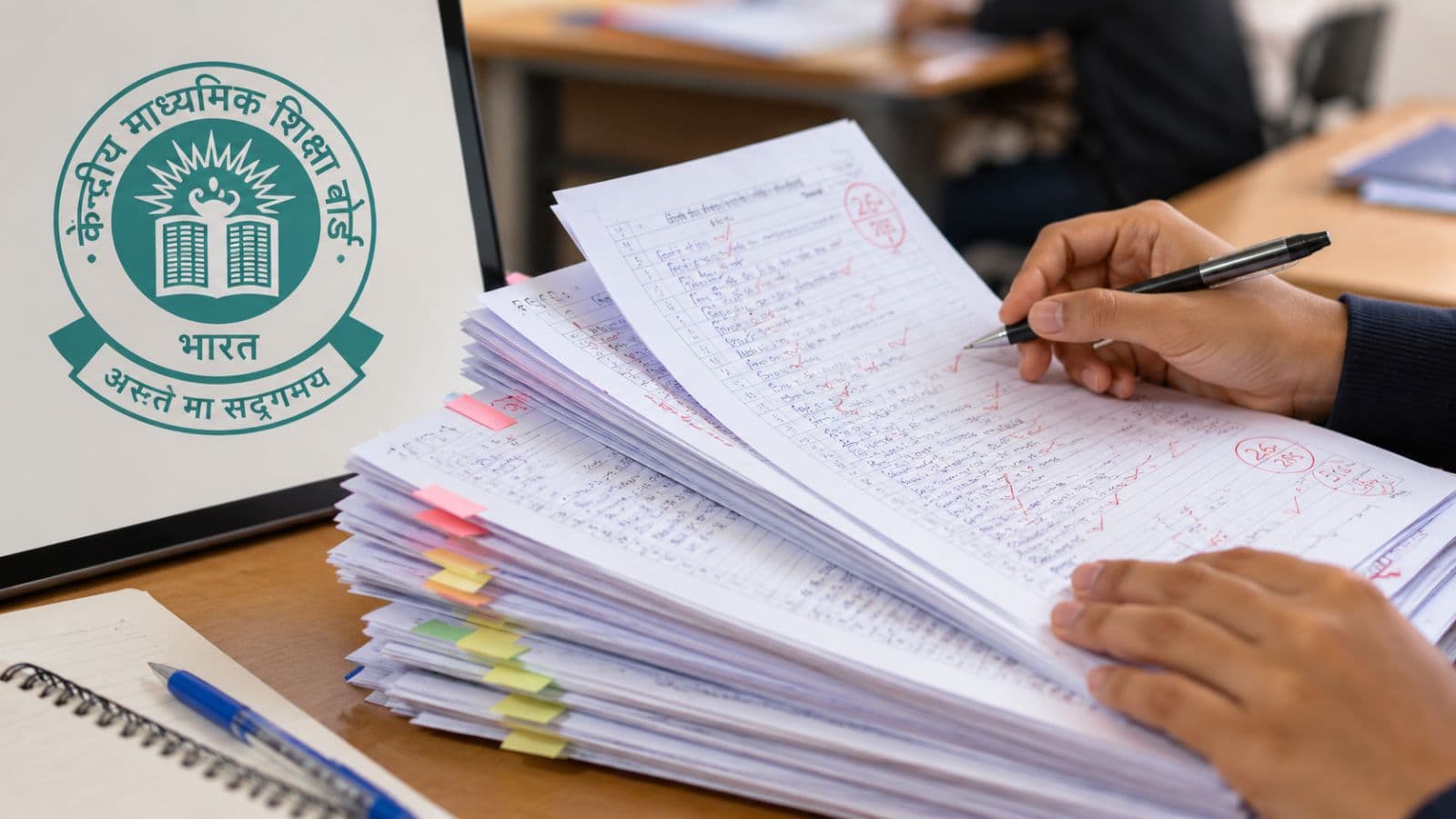
Despite over 11 lakh requests for scanned copies, only a third of Class 12 students proceeded to challenge their marks, highlighting a complex post-result process.
For lakhs of Class 12 students across India, the wait for their CBSE result is often followed by a nervous, forensic examination of their answer books. This year, the scale of that scrutiny was unprecedented, with students seeking access to over 11.3 lakh evaluated scripts. However, fresh data from the Central Board of Secondary Education (CBSE) reveals a sharp drop-off: while the hunger for transparency was high, only about 3.8 lakh answer books actually moved into the formal verification and re-evaluation process.
The Funnel Effect
The discrepancy between the initial requests and the final re-evaluation applications is a direct result of the board's multi-stage post-result service structure. When the board provided scanned copies of 11,31,961 answer books—a massive logistical exercise involving nearly 9 lakh digital deliveries by late May—it essentially gave students a "look before you leap" window.
After reviewing these scripts, students were left to decide if the perceived errors in their marks were worth the formal challenge. The data suggests that for two out of every three students, the scanned copy provided the clarity they needed to either accept their grades or realize that a formal re-evaluation would not significantly alter their outcome.
Technical Glitches and Grievances
This transparency drive did not come without friction. The board recently had to issue a public clarification to counter reports from the Delhi Parents Association, which alleged that the roll-out of the Online System of Marking (OSM) was rushed and that trial runs were insufficient. There were reports of students struggling with the ‘Post-Result Services Portal,’ prompting the Delhi High Court to seek formal responses from both the Centre and the CBSE regarding these evaluation concerns.
In its defense, the board maintained that the portal remained operational from June 2 to June 7 under the constant supervision of government technical agencies and teams from the IITs. To mitigate cyber threats and manage the high volume of traffic, the board claimed to have deployed dedicated cyber security teams, alongside a helpdesk to address grievances.
Why it matters
The gap between the 11 lakh requests and the 3.8 lakh final applications acts as a barometer for student trust in the assessment system. When students seek out their answer books in such high numbers, it signals a lingering anxiety about the accuracy of the board’s marking, especially with the transition to newer digital systems like the OSM.
While the board views the eventual low conversion rate as evidence that most marks were accurate, parents and students view the initial demand as a symptom of a process that still feels opaque. Moving forward, the pressure will be on the board to stabilize its digital infrastructure to ensure that the "verification" phase is seen as a reliable safeguard rather than a bureaucratic hurdle.
National Affairs Desk at PoliticalPedia covers government & policy for an Indian audience in English and Hindi.